Faith Matyszak-Gander MBE: Brighton’s Mrs Whitehawk
Some people shape a city from a public office. Others do it through quieter work: turning up to meetings, listening to neighbours, helping people find their voice, and refusing to let communities be ignored.
In Brighton, Faith Matyszak-Gander MBE became one of those people.
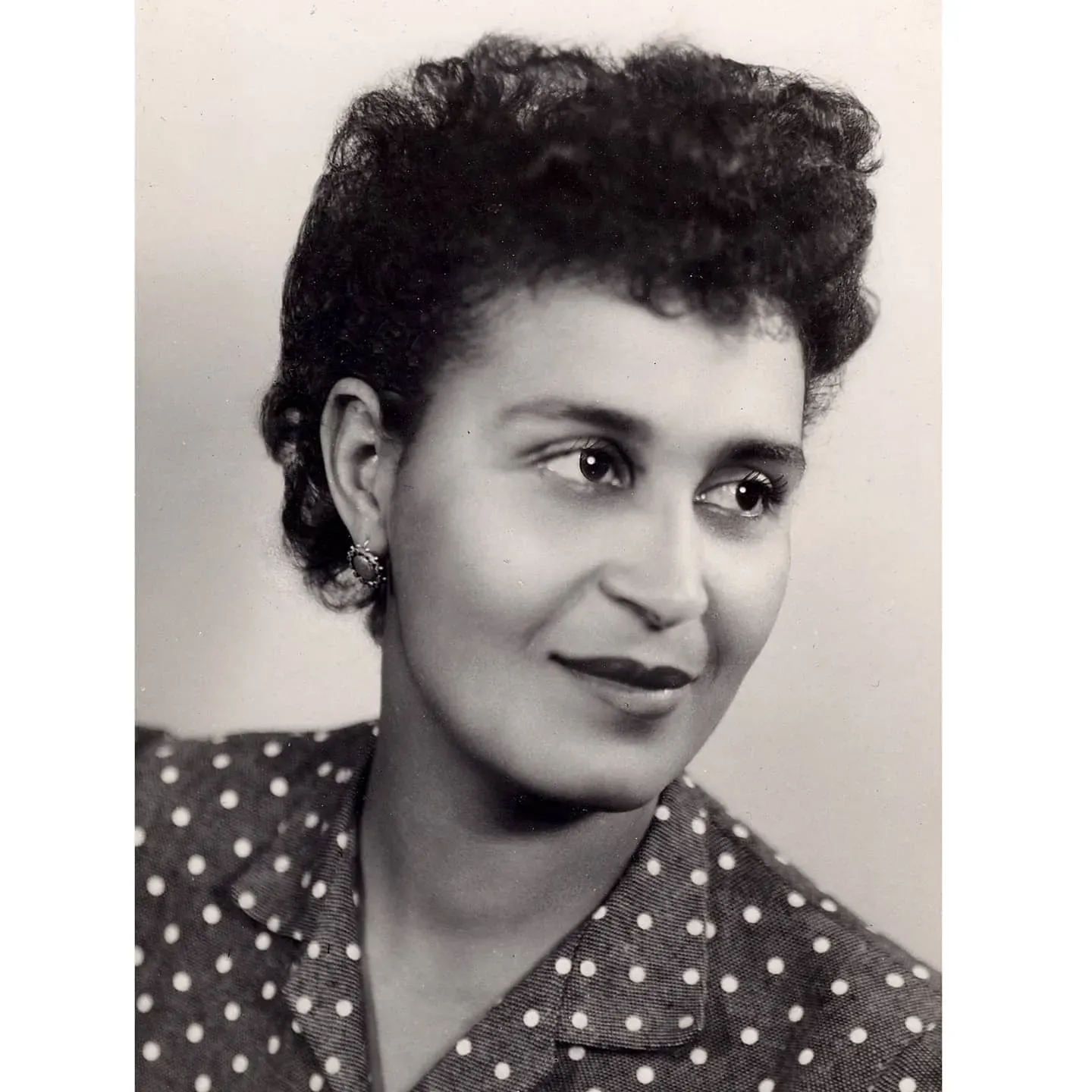
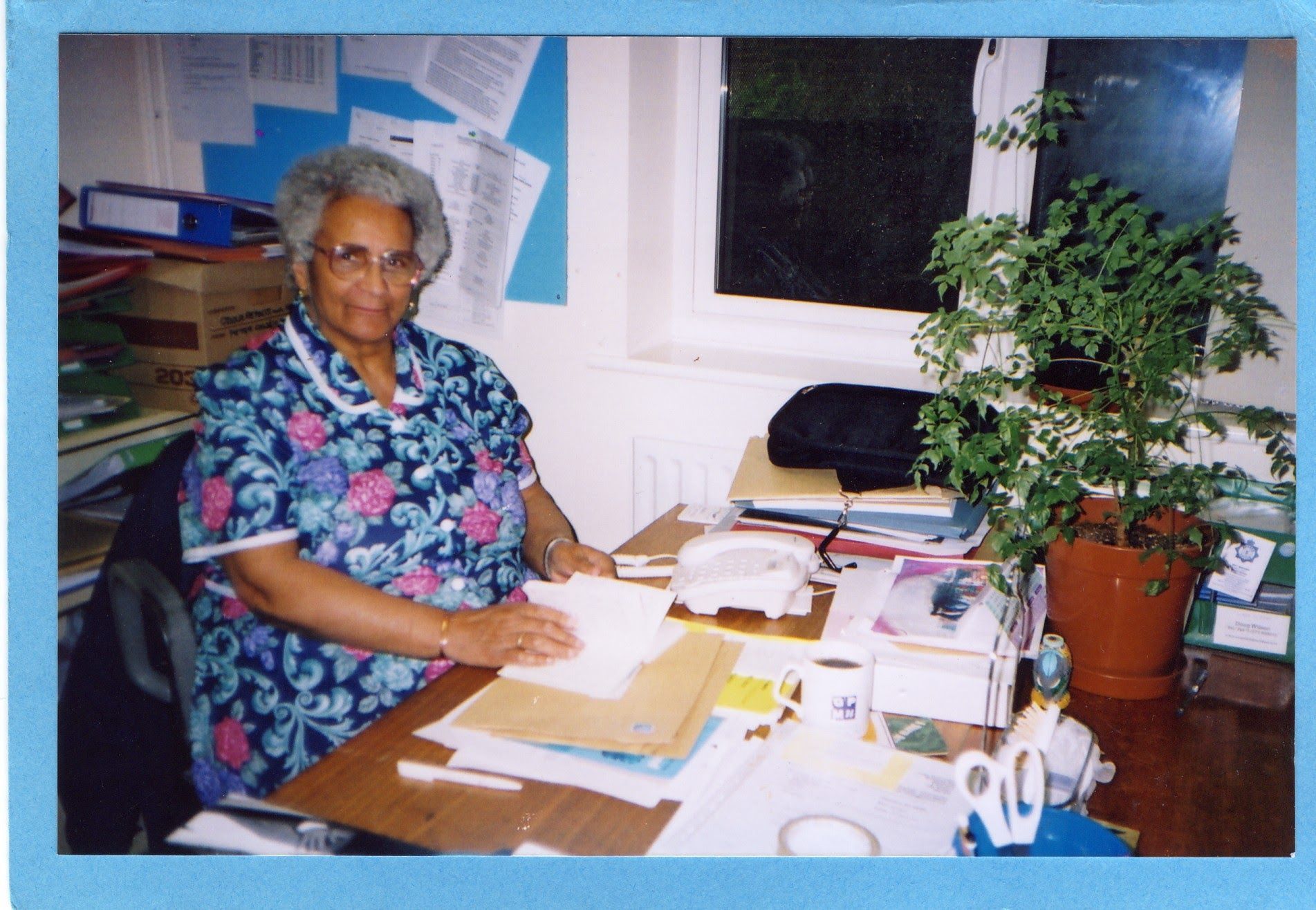
She was known across Whitehawk as “Mrs Whitehawk”, a name that shows how closely her life became tied to the estate and its people. The records found so far strongly suggest that the woman known simply as Faith was Lorna Faith Matyszak, later known as Faith Matyszak-Gander.
Faith moved to Brighton in 1950. What brought her here is still not clear. The sources checked so far do not tell us why she came, who she came with, or where she first lived. That missing piece matters, because local history should be honest about what is known and what still needs to be found.
What we do know is that Faith went on to build a life of work, family, community action and public service in Brighton and Hove.
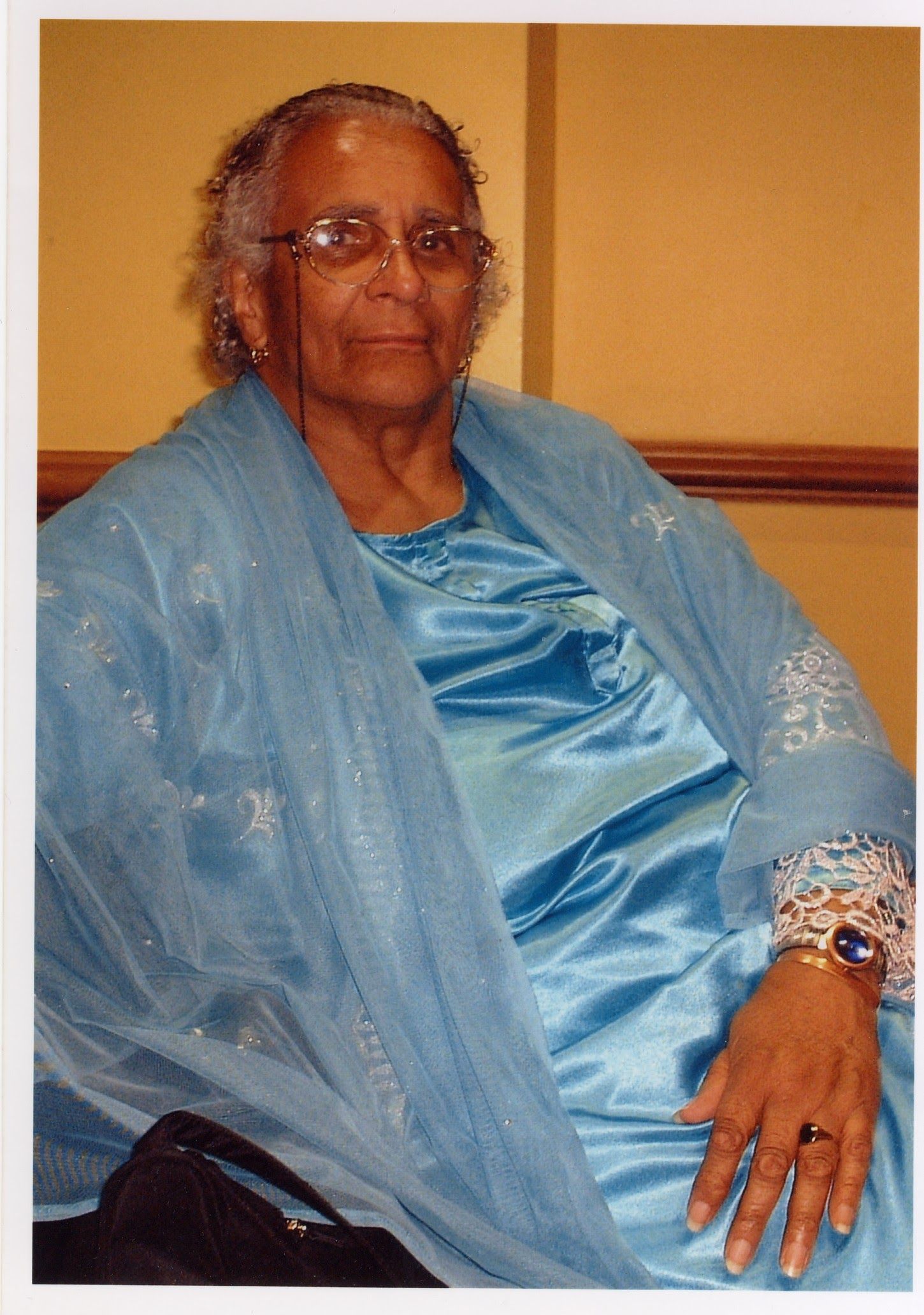
Faith was born in 1931 and died in 2015, aged 83. She became strongly linked with Whitehawk, especially Robert Lodge on Whitehawk Road, where she lived for many years. Robert Lodge became more than a home. It became one of the centres of her community work.
From 1967 to 1996, Faith worked at the Royal Sussex County Hospital. She started as a cleaner and later became an auxiliary nurse. During those years, she also raised four children as a single mother.
This is an important part of her story. Faith’s public work did not come from a place of ease. It sat alongside paid work, family life and the daily pressures faced by many working women.
Her community role appears to have grown through her hospital work. Sources describe how she became active in the union, supported other staff, kept records up to date and attended meetings. This was not glamorous work, but it was useful work. It helped people understand their rights, find training and step into community roles.
Change often starts with one person helping another person feel able to speak up.
In Whitehawk, her work was practical and local. She chaired the Robert Lodge Residents’ Association and helped set up the Robert Lodge Project, which brought a disused basement back into use as a community space.
That detail says a great deal. A forgotten or unused space became somewhere people could meet, organise and support one another. It turned empty space into community space.
For local history, this matters. The history of Brighton is not only found on the seafront, in grand buildings or in famous names. It is also found in estates, residents’ rooms, kitchens, bus stops, youth clubs and meeting halls.
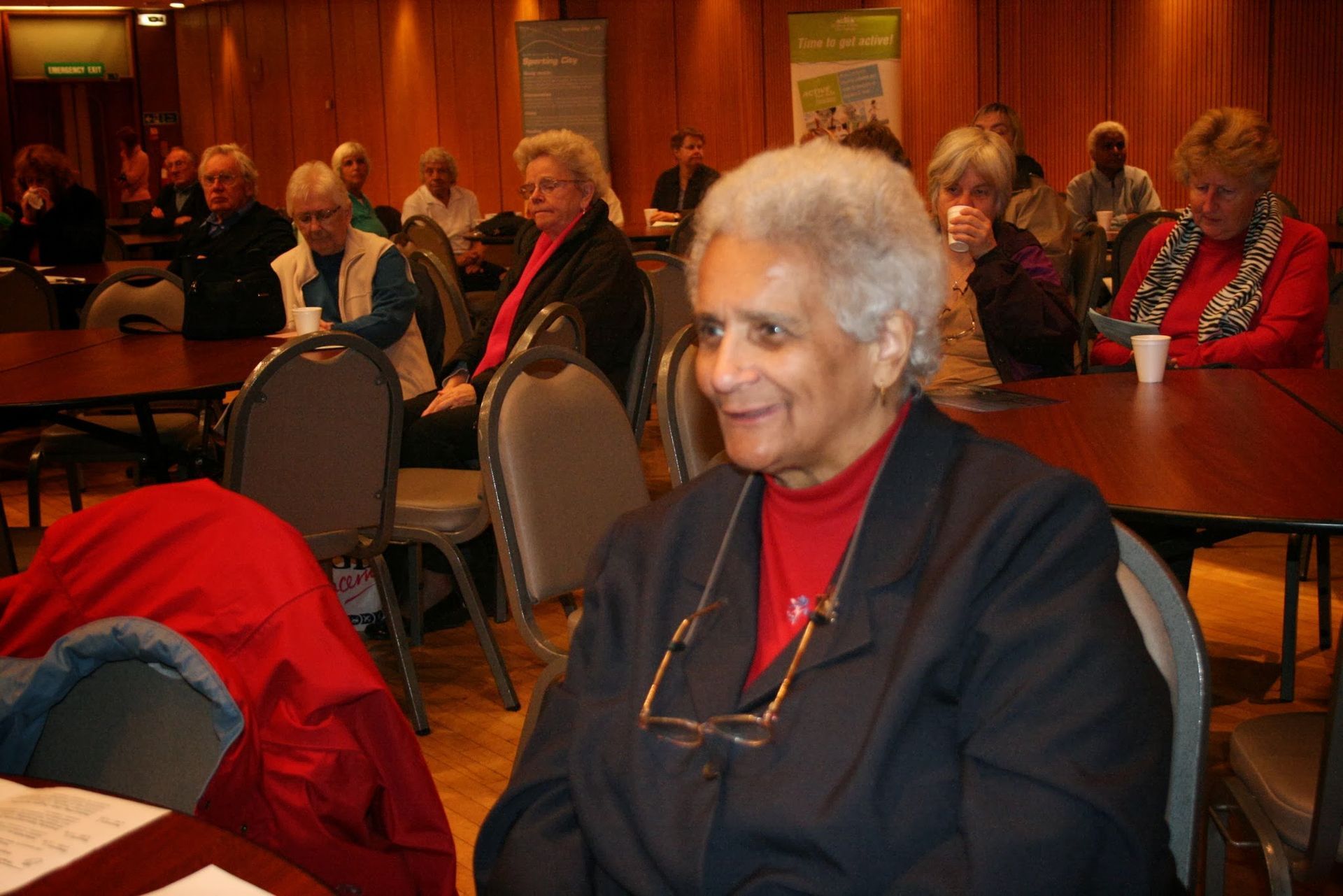
Faith attended meetings, joined forums and helped build networks across Brighton and Hove. Council records from the mid-2000s list Faith Matyszak MBE as representing the Racial Harassment Forum and the Whitehawk Community Development Project. She also appears in council community safety records as a community representative or co-optee.
This shows that her work had moved beyond informal help. She became a recognised community voice in official spaces.
Council meetings can feel distant from everyday life. Faith helped bring estate concerns, anti-racist work, community safety and tenant issues into those rooms. She was not only speaking for herself. She was helping make sure Whitehawk and other communities were part of the conversation.
Faith’s story also connects with Brighton and Hove’s Black community history. She was involved with Brighton and Hove Black Women’s Group, the Brighton & Hove Racial Harassment Forum and a local Black History Project. She believed the contribution of Black people in Britain should be more widely recognised.
Careful wording: the evidence shows Faith worked alongside Black community organisations and anti-racist groups. The sources checked so far do not give enough detail to make wider claims about her own background or identity.
Her work crossed many areas. She was involved with the Brighton Unemployed Centre and the Brighton Unemployed Centre Families Project, which supported unemployed and low-waged people and their families. She was also linked with the Trust for Developing Communities, a Brighton and Hove charity focused on community development.
Faith was a long-standing member of the Labour Party and was recognised with a national merit award in 2002. She also received a Millennium Award. Later, she was awarded an MBE for her community and voluntary work. The exact honours date should still be checked against the official London Gazette record before publication, as some sources need reconciling.
Faith’s work crossed housing, welfare, workers’ rights, community safety, equality and local democracy.
One of Faith’s lasting local links was with the Crew Club in Whitehawk. The Crew Club became an important youth and community project, and Faith is credited with helping raise around £1 million for it.
This is one of the clearest signs of her local impact. It is easy to describe someone as “active in the community”, but raising support on that scale for a youth project shows the practical result of that work.
Faith also appears in local memories as a guiding figure for young people. She was remembered as someone who listened, advised and encouraged others to take part. The phrase “mother of Whitehawk” has been used in connection with her. It should be used carefully, as a remembered phrase rather than an official title, but it gives a sense of how some people saw her.
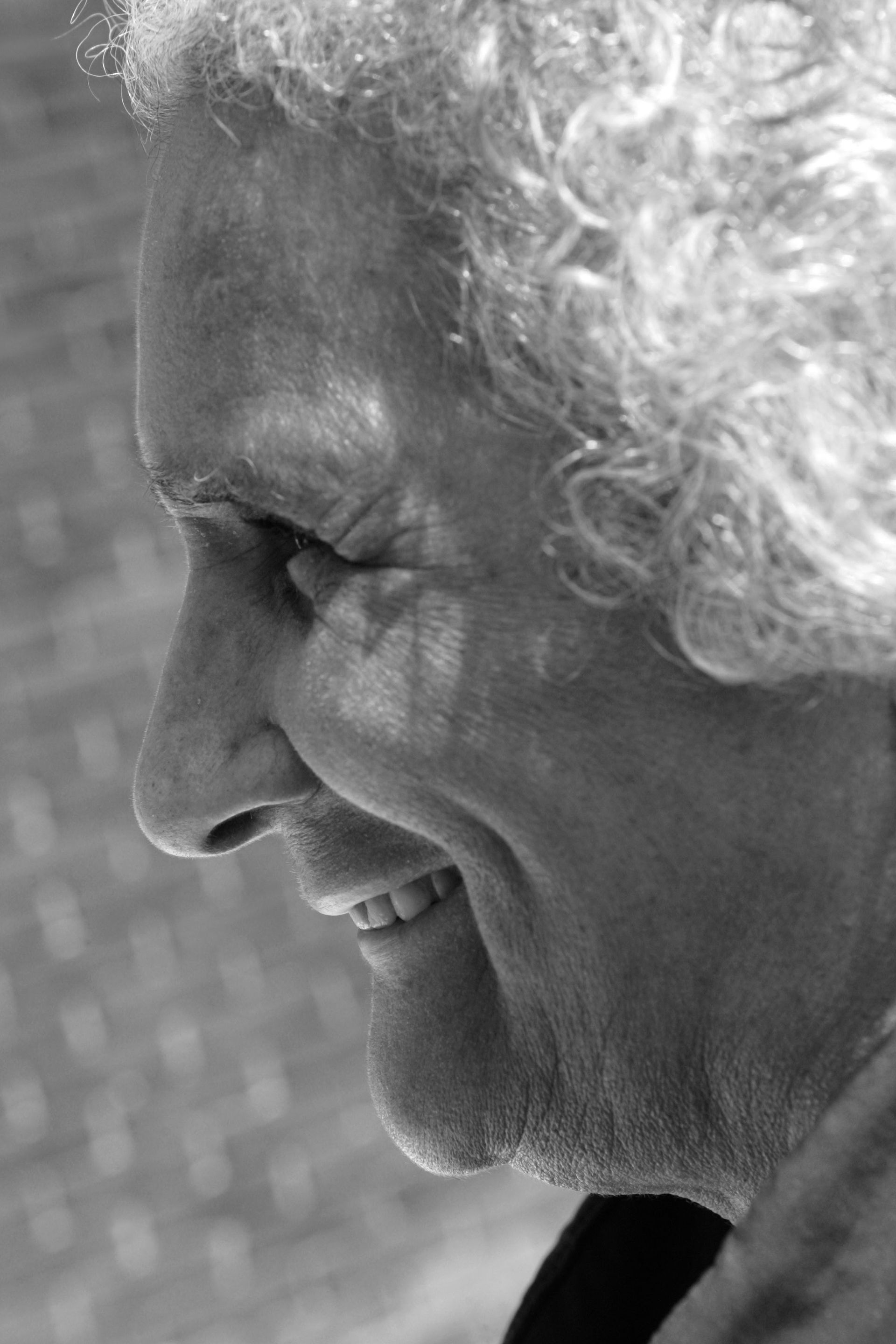
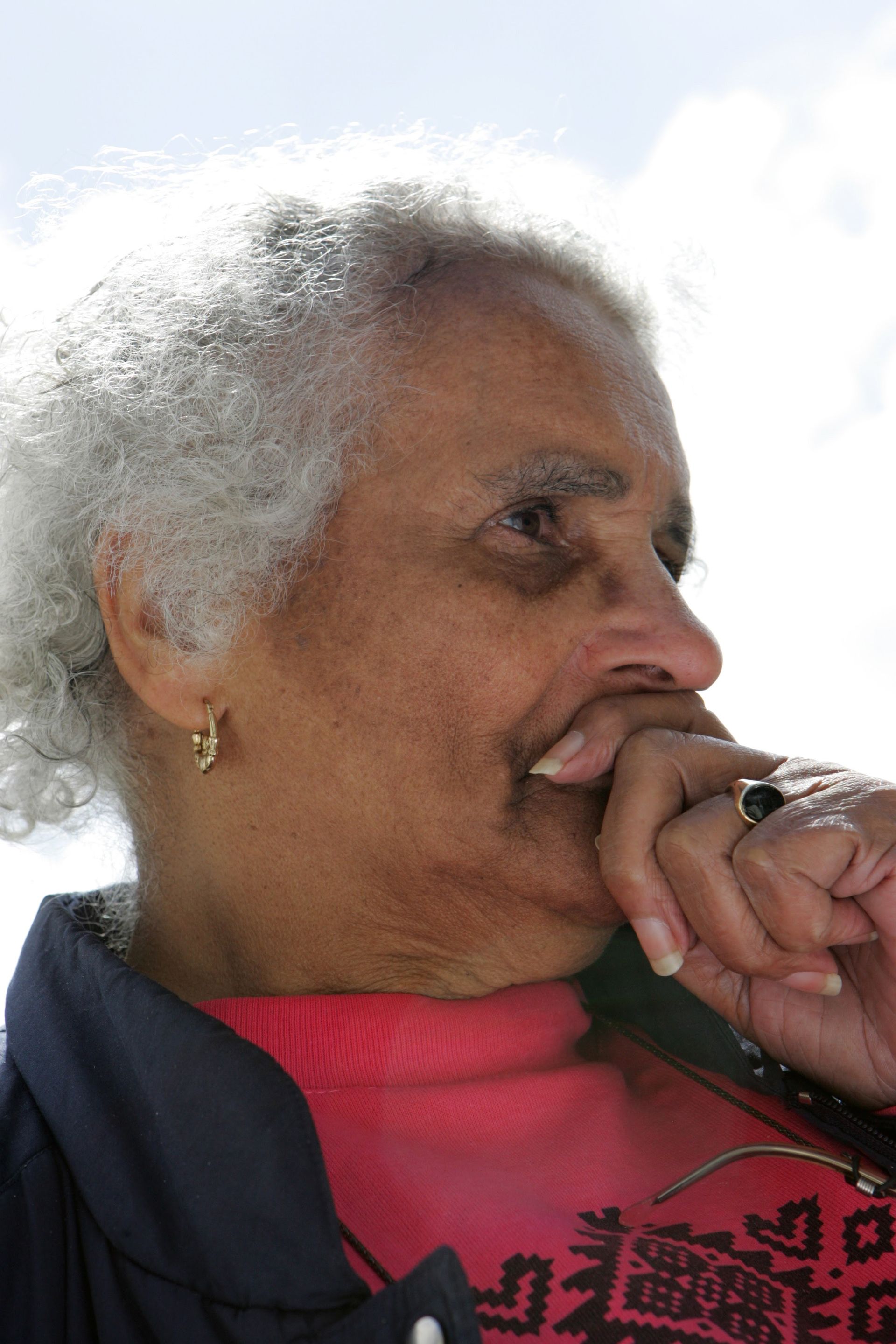
After Faith died in 2015, her work continued to be remembered. Council records noted her death, and a plaque was later placed in the communal garden at Robert Lodge. It honoured her as a community volunteer and marked the deep connection she had with the people and place around her.
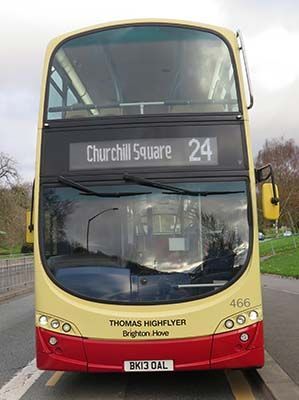
In 2020, Brighton & Hove Buses named a bus Faith Matyszak-Gander. In 2021, on what would have been her 90th birthday, a bus tour visited places linked to her life and work across Brighton and Hove.
It was a fitting tribute. Faith’s life was not fixed in one place. It moved through hospital corridors, Whitehawk streets, community rooms, council meetings, youth projects and city-wide networks.
Faith Matyszak-Gander’s story reminds us that Brighton’s history is not only made by people with official power.
It is also made by those who chair residents’ meetings, help neighbours understand their rights, bring unused spaces back into use, stand against racism, support young people, push for better housing, connect people with services, and turn local concern into practical action.
Her story also reminds us that community history can be fragile. Some parts of her life are well recorded. Others are still missing.
We know she arrived in Brighton in 1950. We know she worked at the Royal Sussex County Hospital. We know she lived for many years at Robert Lodge. We know she became deeply involved in Whitehawk, housing, anti-racist work, Black women’s organising, welfare projects, youth support and local democracy.
But we still need to know more.
Why did she come to Brighton? What were her first years in the city like? Which early groups did she join? Are there photographs, minutes, newsletters or memories still held by family members, neighbours or local organisations?
Those questions do not weaken the story. They show why it matters.
Faith’s life sits in the kind of history that can easily slip away if people do not record it: the history of meetings, friendships, advice, care, persistence and local trust.
In Brighton, she was Faith Matyszak-Gander MBE.
In Whitehawk, she was Mrs Whitehawk.
Both names deserve to be remembered.
Sources
- Brighton & Hove Women’s History Group: Faith Matyszak-Gander, 1931 to 2015
- Brighton & Hove Buses: Whitehawk treasure remembered on bus bearing her name
- Brighton & Hove City Council housing newsletter: Homing In, Autumn 2017
- Brighton & Hove City Council: Neighbourhoods, Communities and Equalities Committee minutes, 5 October 2015
- Companies House: Lorna Faith Matyszak personal appointments
Images courtesy of Bert Williams MBE.