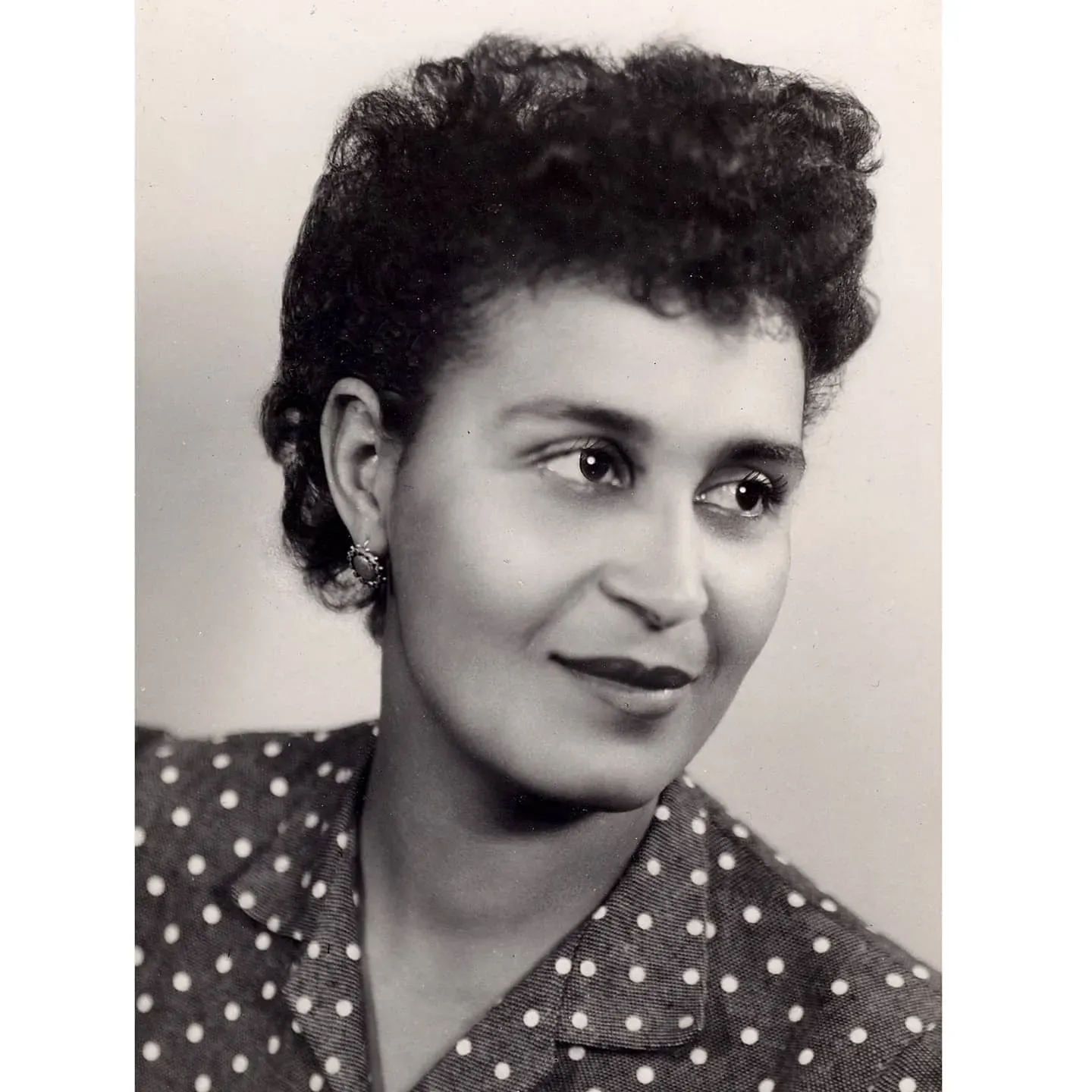
The story of Pauline Henriques, the first Black woman on British television, who later made her home in Brighton and worked in public service.
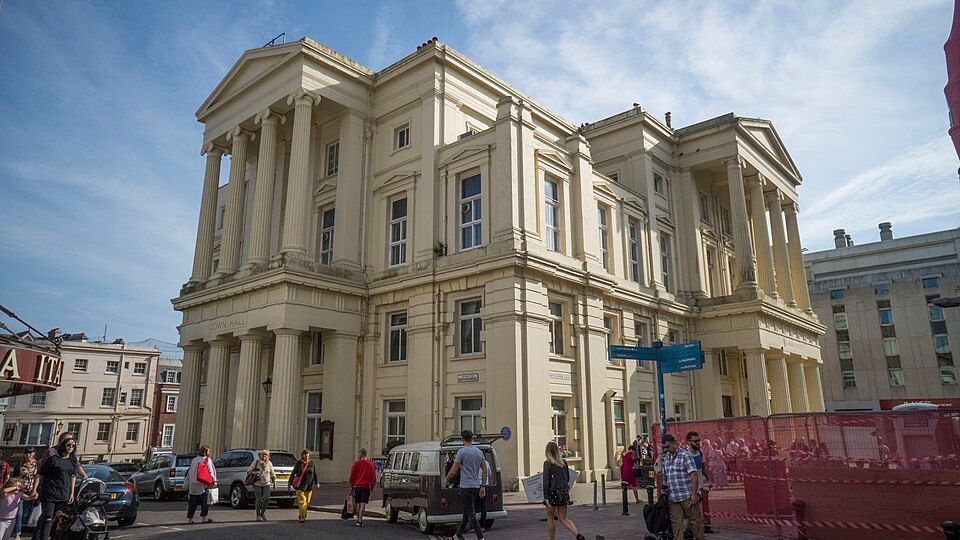
In 1856, Henry “Box” Brown brought his anti-slavery panorama and story of escape to Brighton Town Hall. Discover his remarkable campaign for freedom.
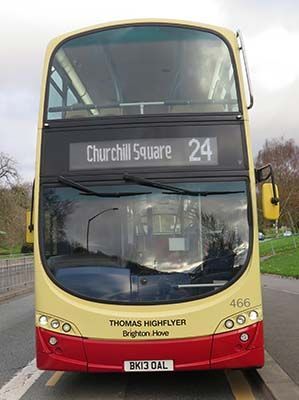
Join the Thomas Highflyer Bus Trip from Brighton to Newtimber on 12 September 2026 for talks, food, music and remembrance. Booking essential.
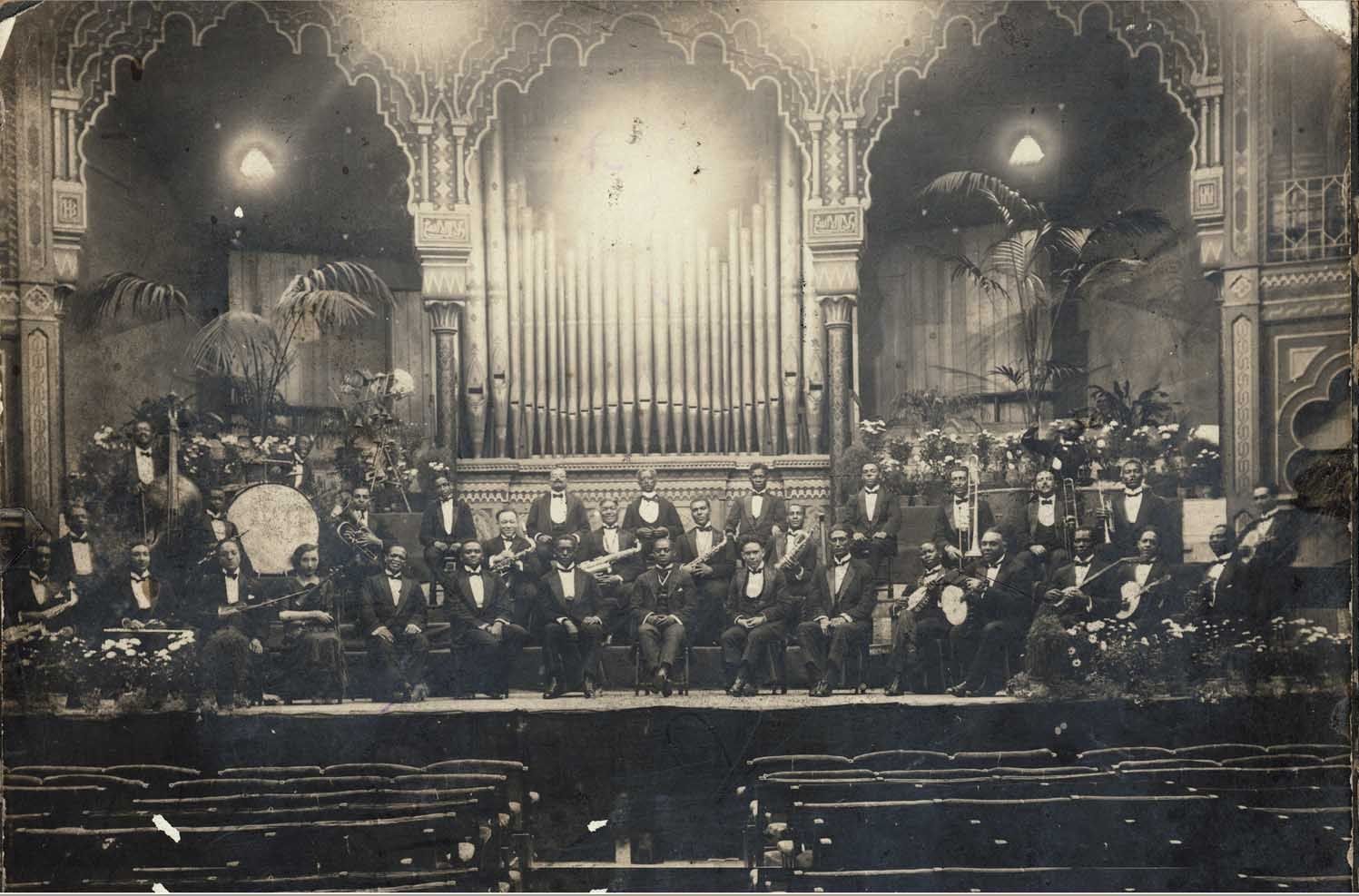
Discover how the Southern Syncopated Orchestra brought Black music and early jazz to Brighton Dome during a four-week residency in the summer of 1921.
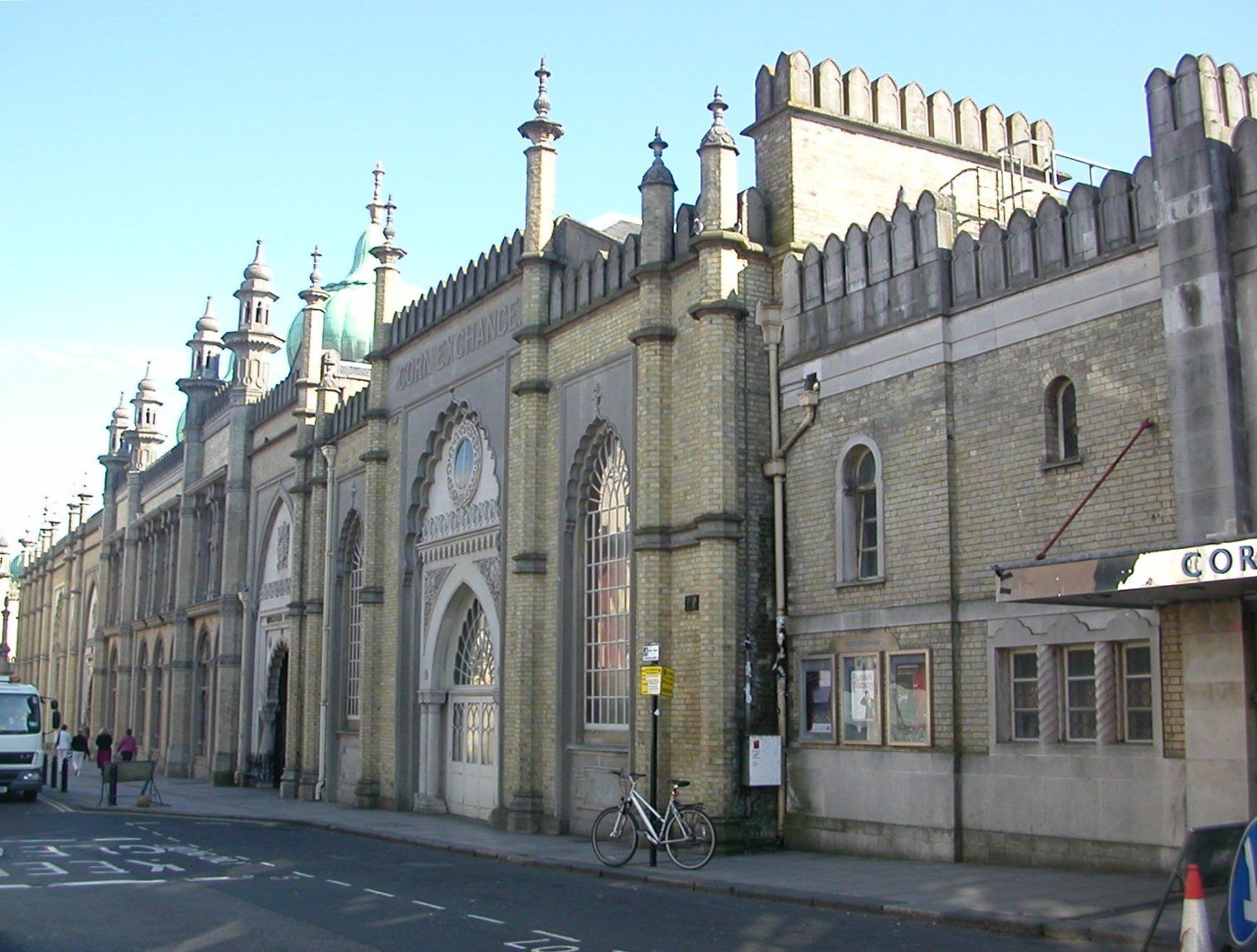
Discover how Brighton Dome and Mandela Hall connect with Black history, music, culture and student activism in Brighton and Sussex.
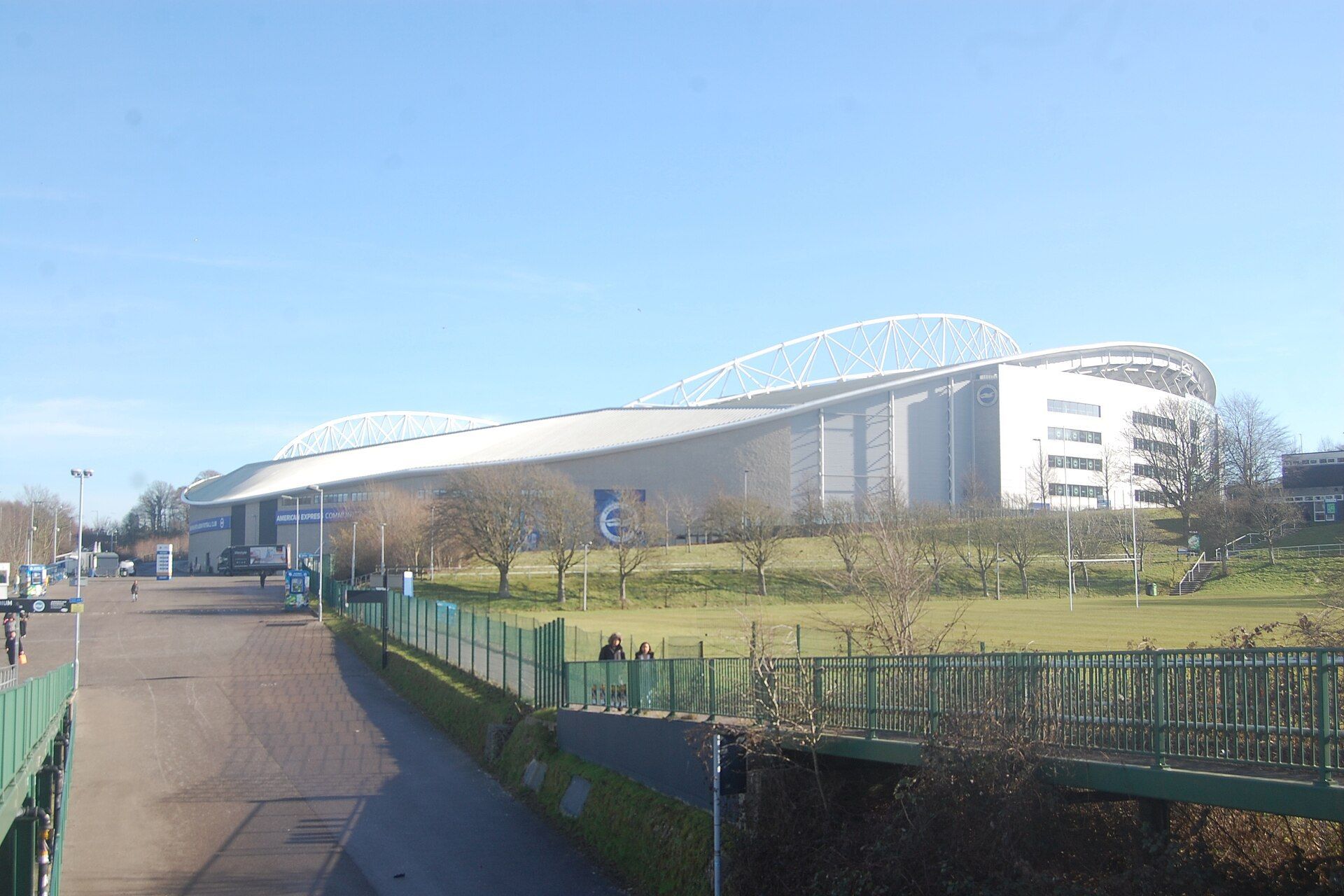
From Dave Busby’s 1973 debut to Chris Hughton and Hope Powell, five Black figures who helped shape Brighton & Hove Albion.

The story of Billy Waters, a Black disabled sailor and musician whose porcelain likeness is held by Brighton & Hove Museums.
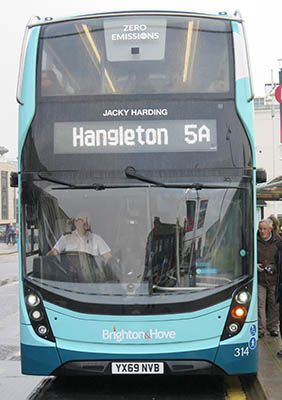
The story of Jacky Harding, Brighton and Hove’s first Black woman councillor, remembered for education, lifelong learning and community work.
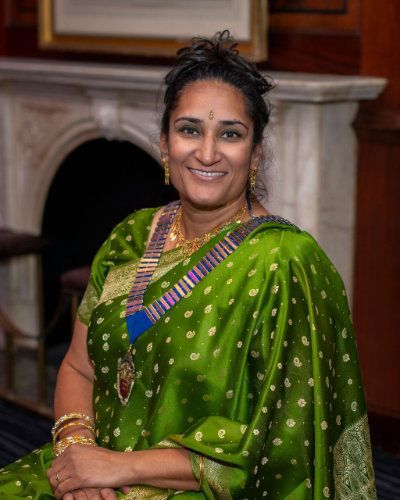
The story of Manjinder Nagra, Hove Girls Rugby, and how her work in sport, law and inclusion opened doors for girls in Brighton and Hove.
Pauline Rutter’s Brighton work brings Windrush women, Black archives, oral history and South Downs memory into public view.
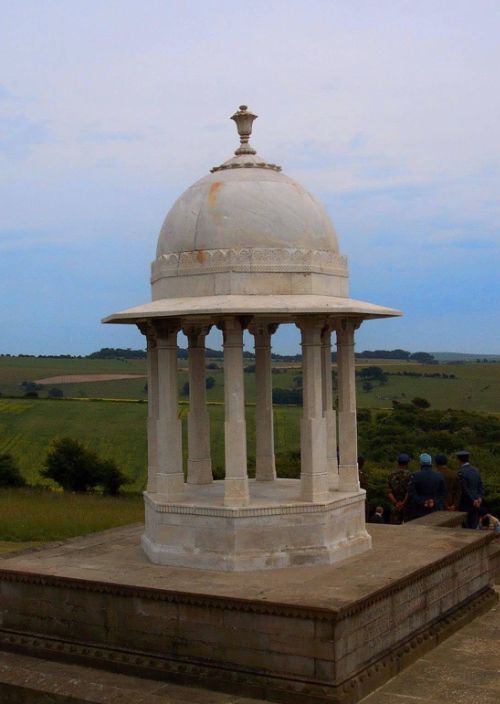
The story of Davinder Dhillon, the Brighton teacher who helped keep alive the Chattri Memorial Service for Indian soldiers of the First World War.
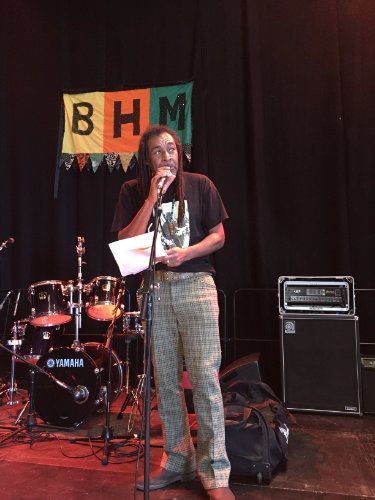
Brighton-based artist Edi Jay Mandala explores Black identity, language, racism and belonging through art, museums and the South Downs.
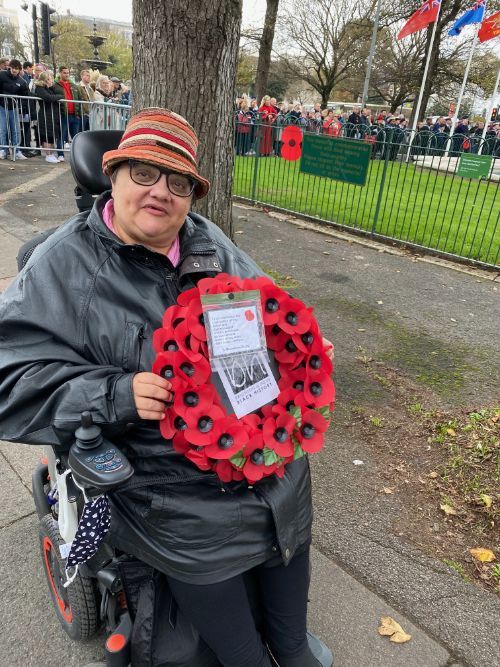
Explore Suchi Chatterjee’s work in Brighton, from Thomas Highflyer to museum and heritage projects on Black history, empire and public memory.
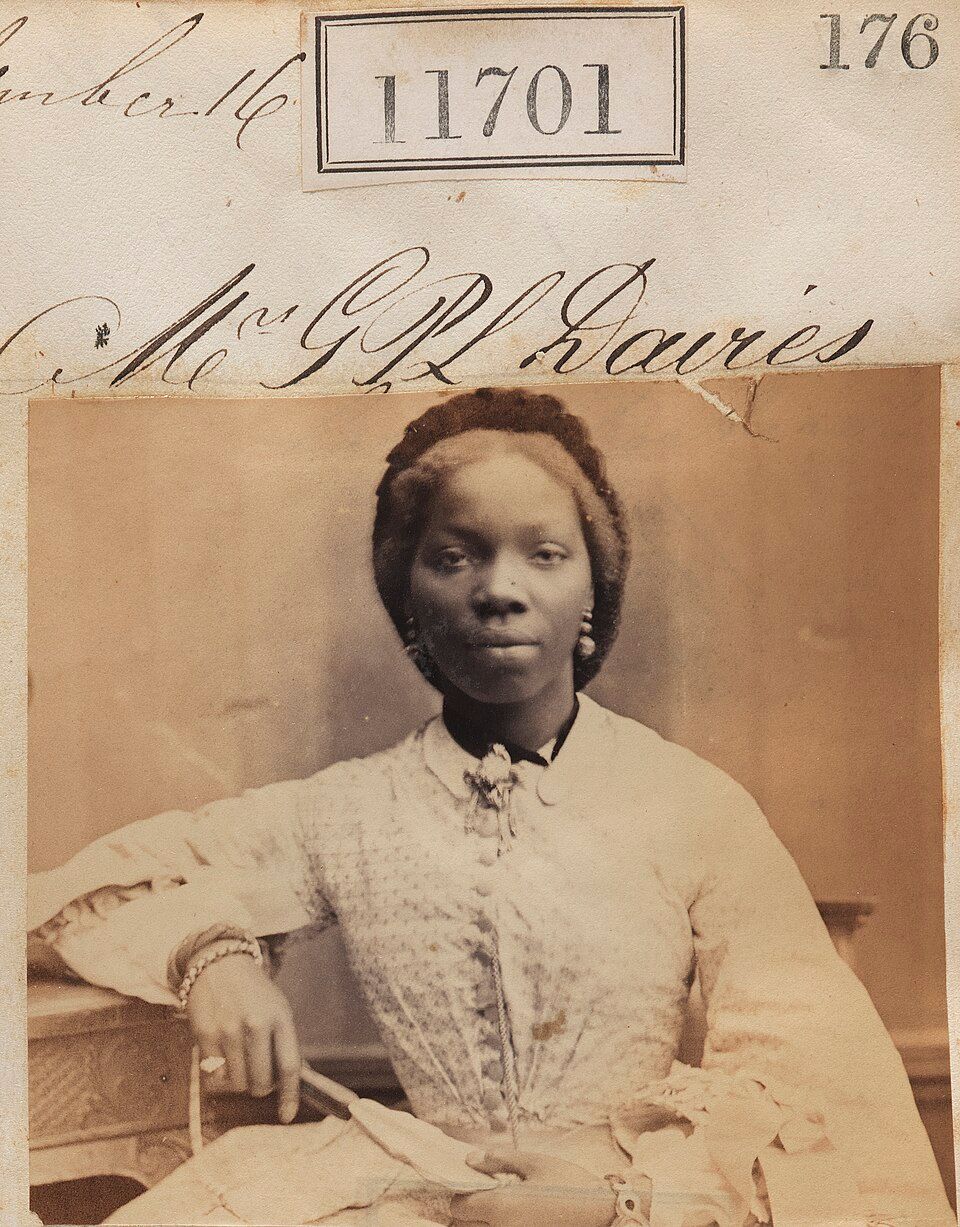
Sarah Forbes Bonetta’s Brighton story, from royal patronage and public spectacle to marriage, family and Black history in Victorian Britain
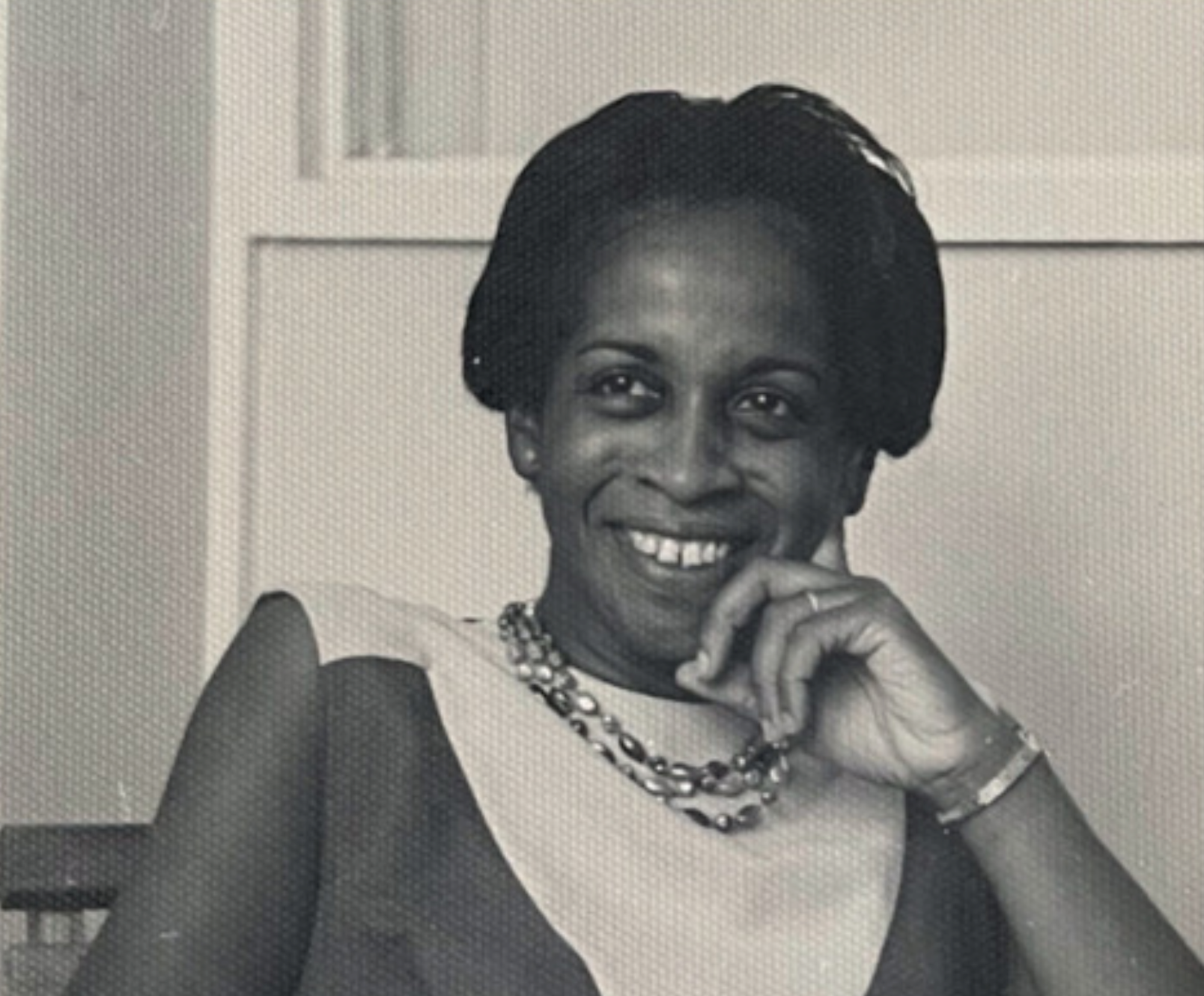
Read about Monica Lewin, a pioneering surgeon with a Brighton link, and her place in Black medical history and local community memory.
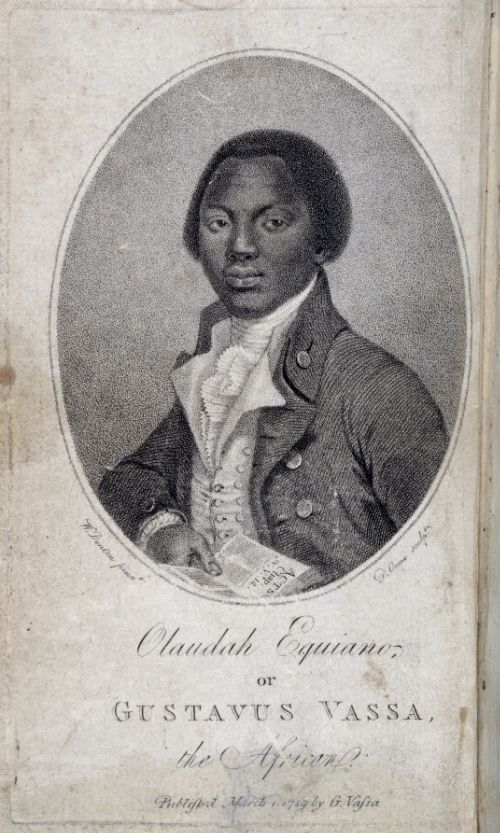
Explore Olaudah Equiano’s story and the links between his abolition work, Black presence in Britain and Brighton’s anti slavery networks.
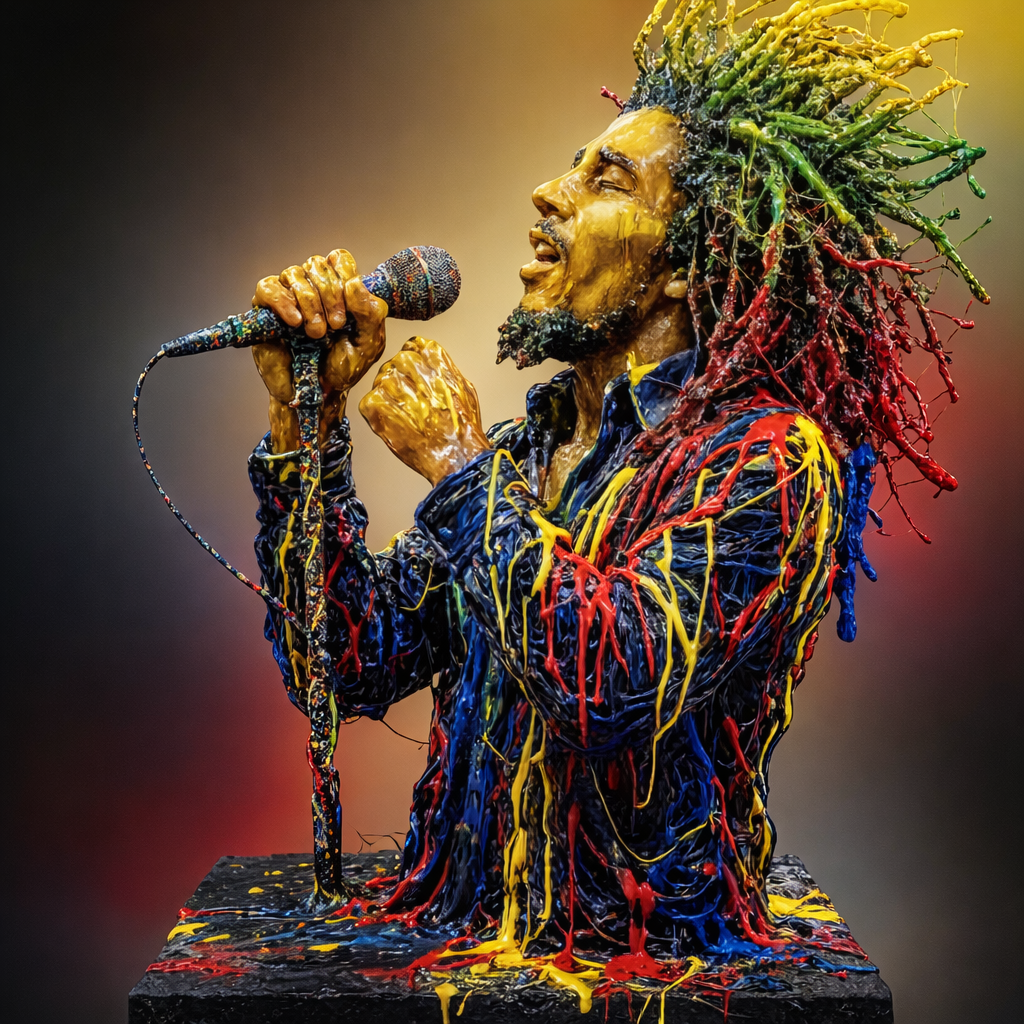
Discover Bob Marley’s Brighton connection and the place of reggae, sound systems and Black music in the city’s cultural history.
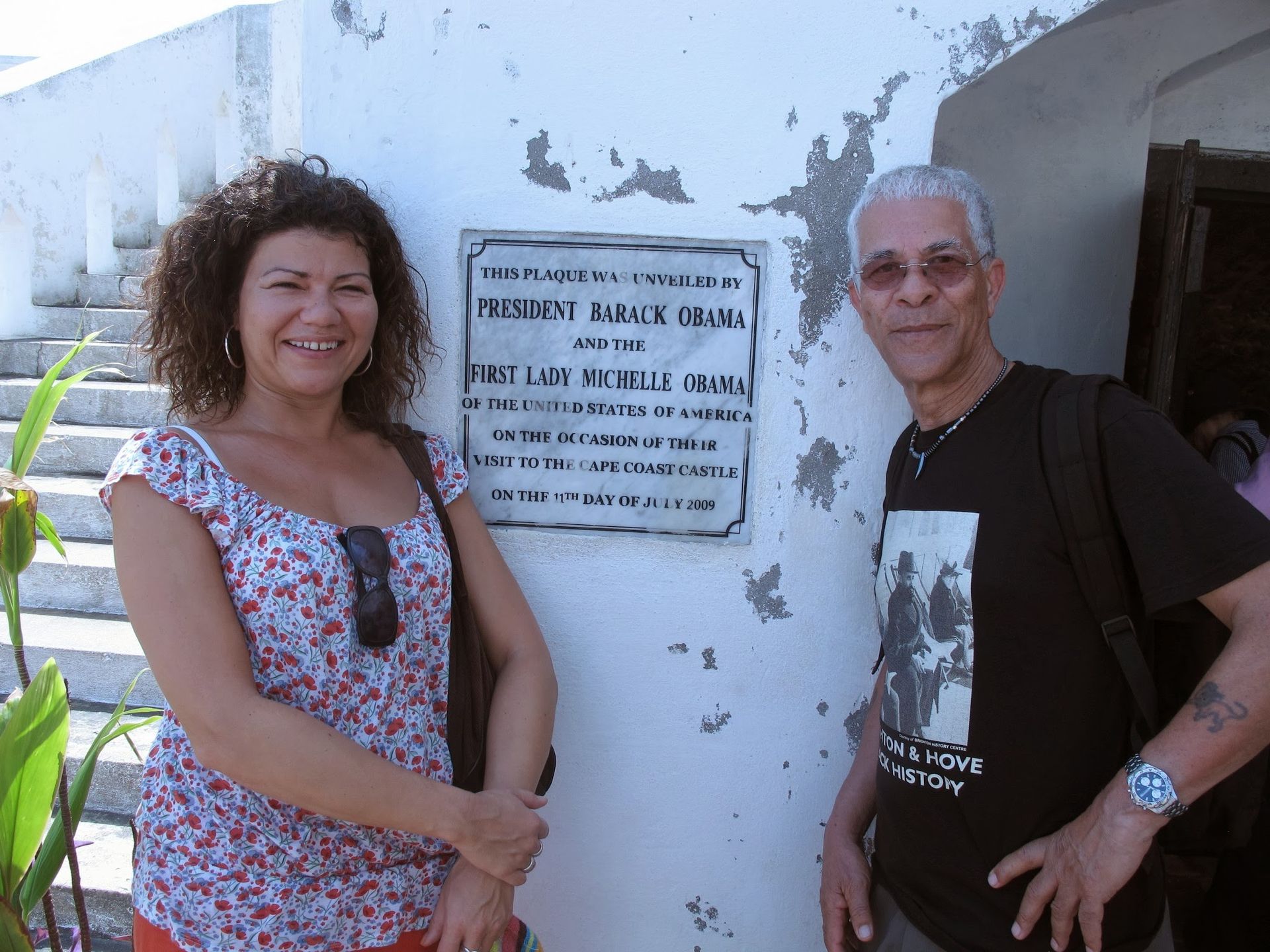
Sarah Naomi Lee co-founded Brighton & Hove Black History in 2002. Discover her role in uncovering hidden stories and shaping Sussex heritage.
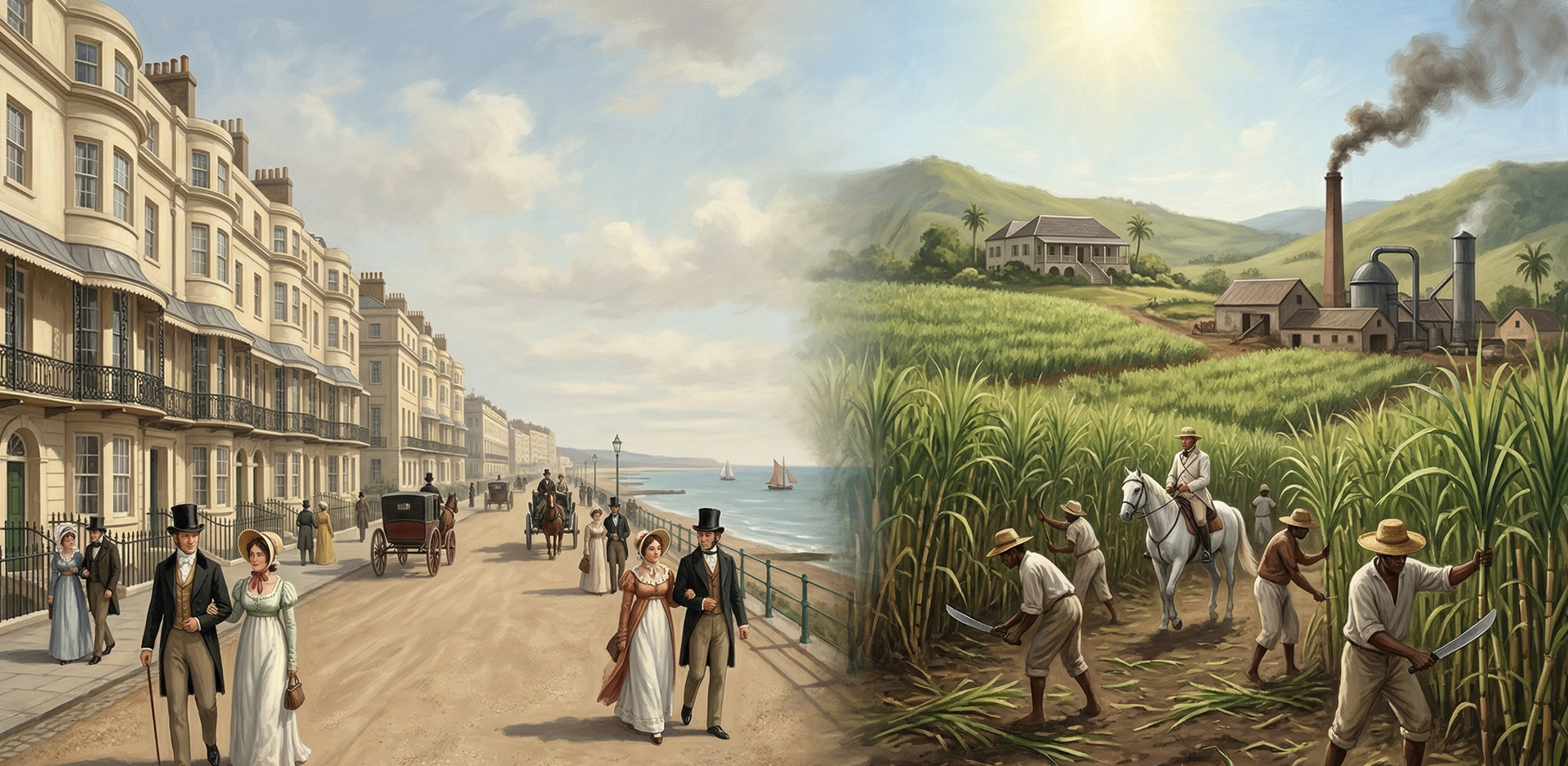
Explore how Brighton’s past was linked to slavery, wealth and empire through local people, places and historical records that reveal these legacies.

Brighton & Hove Black History has uncovered hidden stories since 2002. Explore the group's legacy, oral histories and impact on Sussex heritage.

Ebou Touray co-founded African Night Fever and chairs Brighton & Hove Black History. Discover his role in Brighton's African and Caribbean culture.
Amy Z Glass founded Writing Our Legacy CIC, supporting Black, Asian and diverse writers across Sussex and the South East for over 20 years.
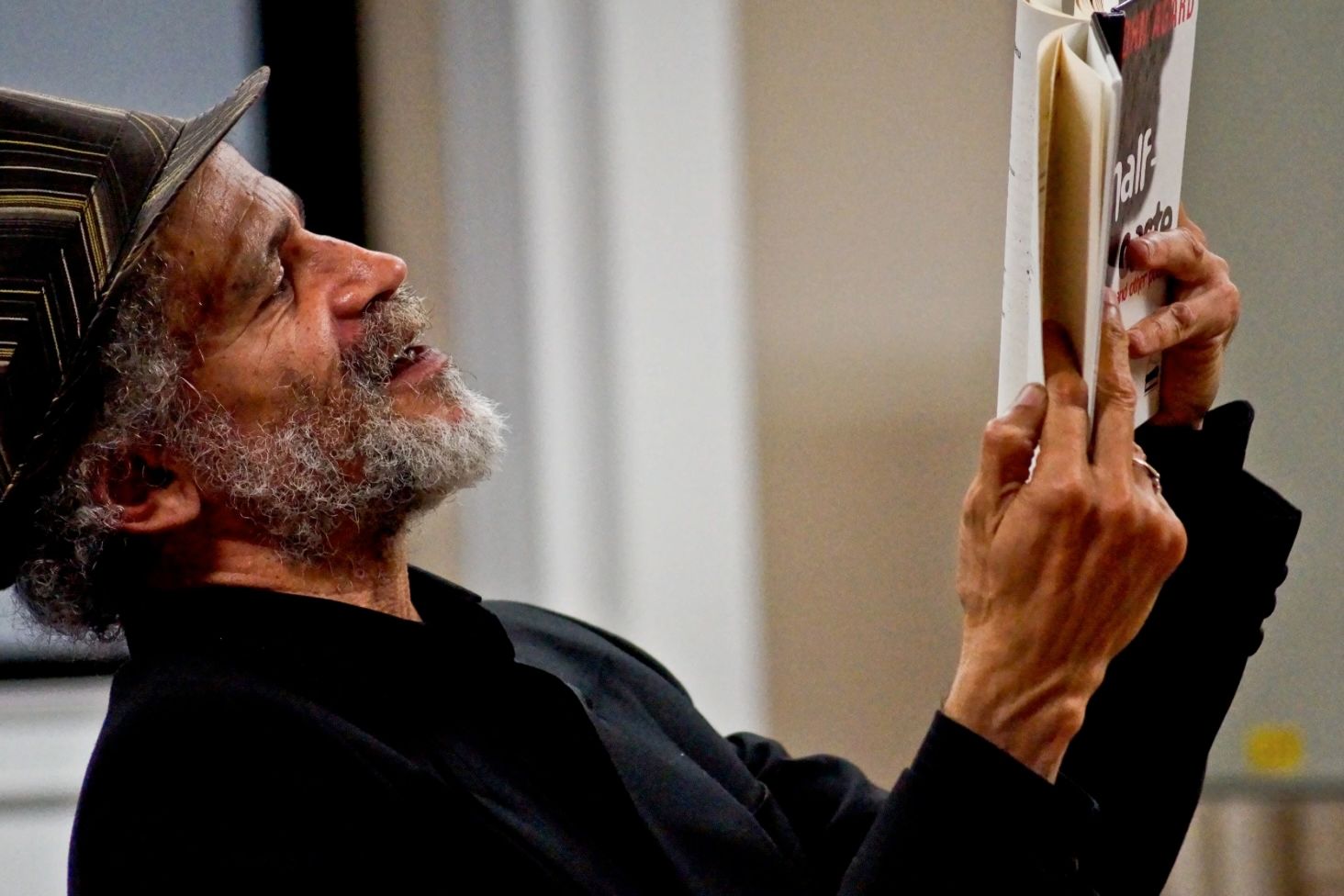
John Agard, Queen's Gold Medal poet and GCSE set text author, lives in Lewes, Sussex. Explore his Guyanese roots and his deep Brighton connections.
Grace Nichols, Commonwealth Poetry Prize winner, has lived in Lewes near Brighton since 1977. Explore her Guyanese roots and Sussex literary legacy.
Explore Brighton's Black Women's Group, BARCO, MEP and more. Community groups that organised for change in Brighton & Hove across decades.
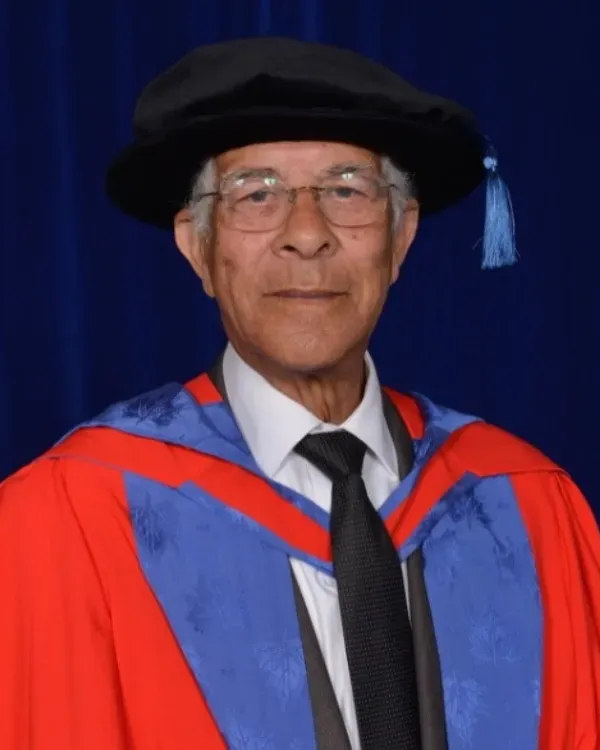
Dr Bert Williams MBE receives an honorary Doctor of Letters from the University of Brighton, recognising his Black history research and service to Brighton and Hove.

Listen to the story of Princess Aida Desta, a senior Ethiopian royal figure whose life and exile connect to wider Black and minority histories.
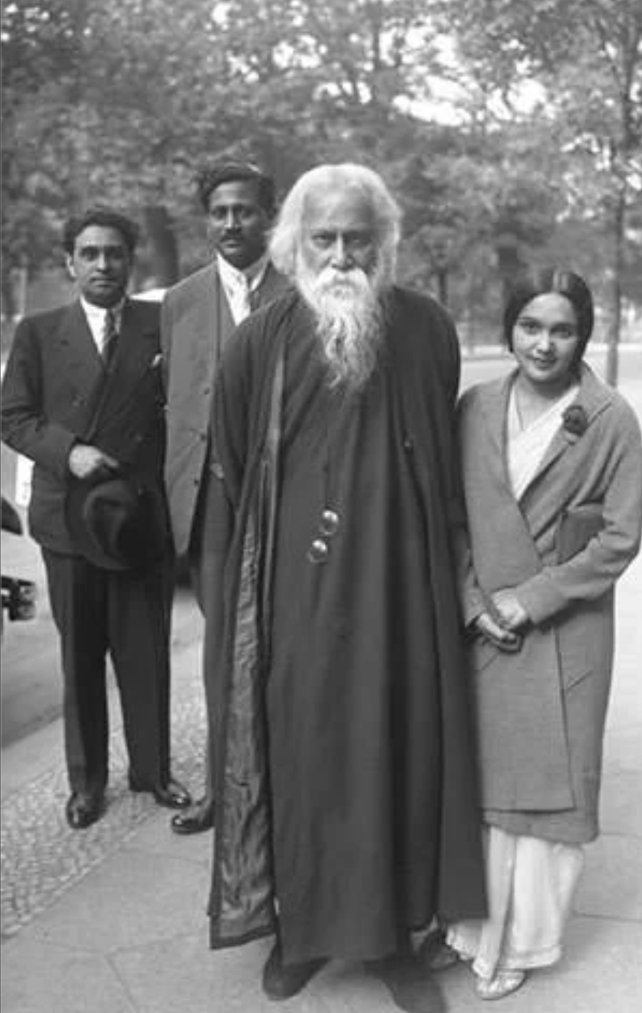
Read about the early life of Nobel Prize winning author Rabindranath Tagore. Learn about his time living in Hove and his studies on Ship Street in Brighton.
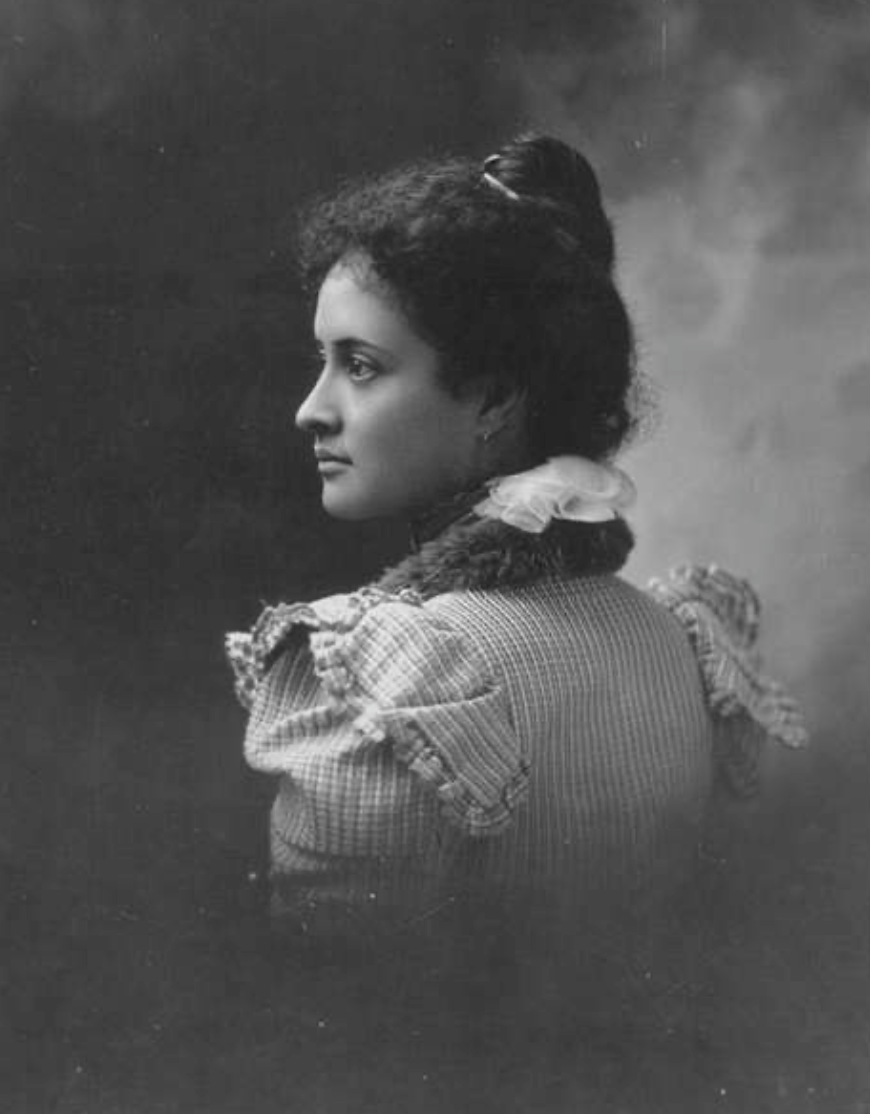
Read how Princess Victoria Kaʻiulani of Hawaiʻi lived in Hove while preparing for a future changed by the fall of the Hawaiian monarchy.
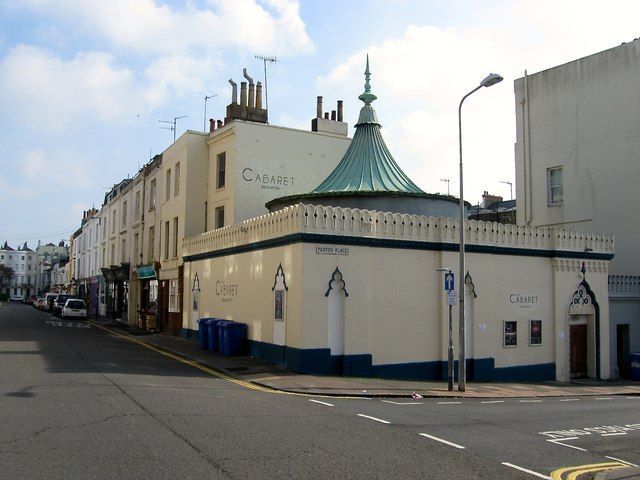
Read about Flora Sassoon, a noted philanthropist with links to Hove, and explore her place in local and wider history.
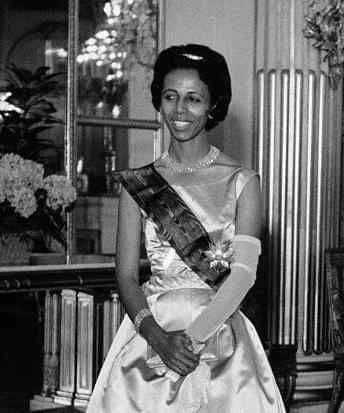
Read how Princess Aida Desta, granddaughter of Haile Selassie, lived in England and is remembered by a plaque at St Paul’s Church, Brighton.

Explore the story of the Three Kings and their connection to Brighton, highlighting their visit and place in local history.
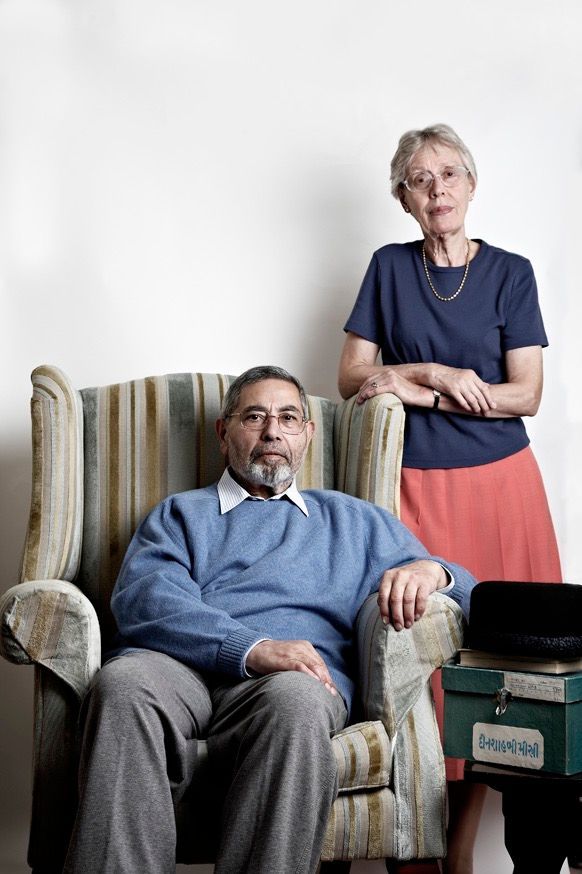
Read the story of Tehmtan Framroze, Brighton’s first mayor of colour, and his lasting contribution to housing, public service and community life.
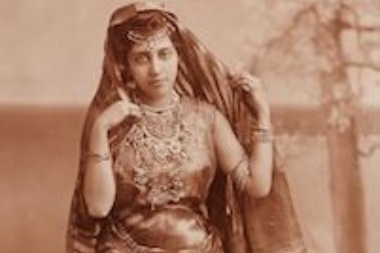
Read about Princess Sophia Duleep Singh, the suffragette princess who studied in Brighton and later supported Indian soldiers in wartime.
In 1914, Brighton's Royal Pavilion became a WWI hospital for over 2,300 Indian soldiers. Discover their remarkable story of courage, faith and dignity.
Read about William Afflick, a Black trumpeter from St Kitts who served with the 10th Hussars and raised a family in Regency Brighton.
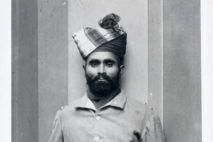
Read about Subedar-Major Mir Dast VC, the Indian soldier honoured for bravery at Ypres and later treated at Brighton’s Royal Pavilion Hospital.
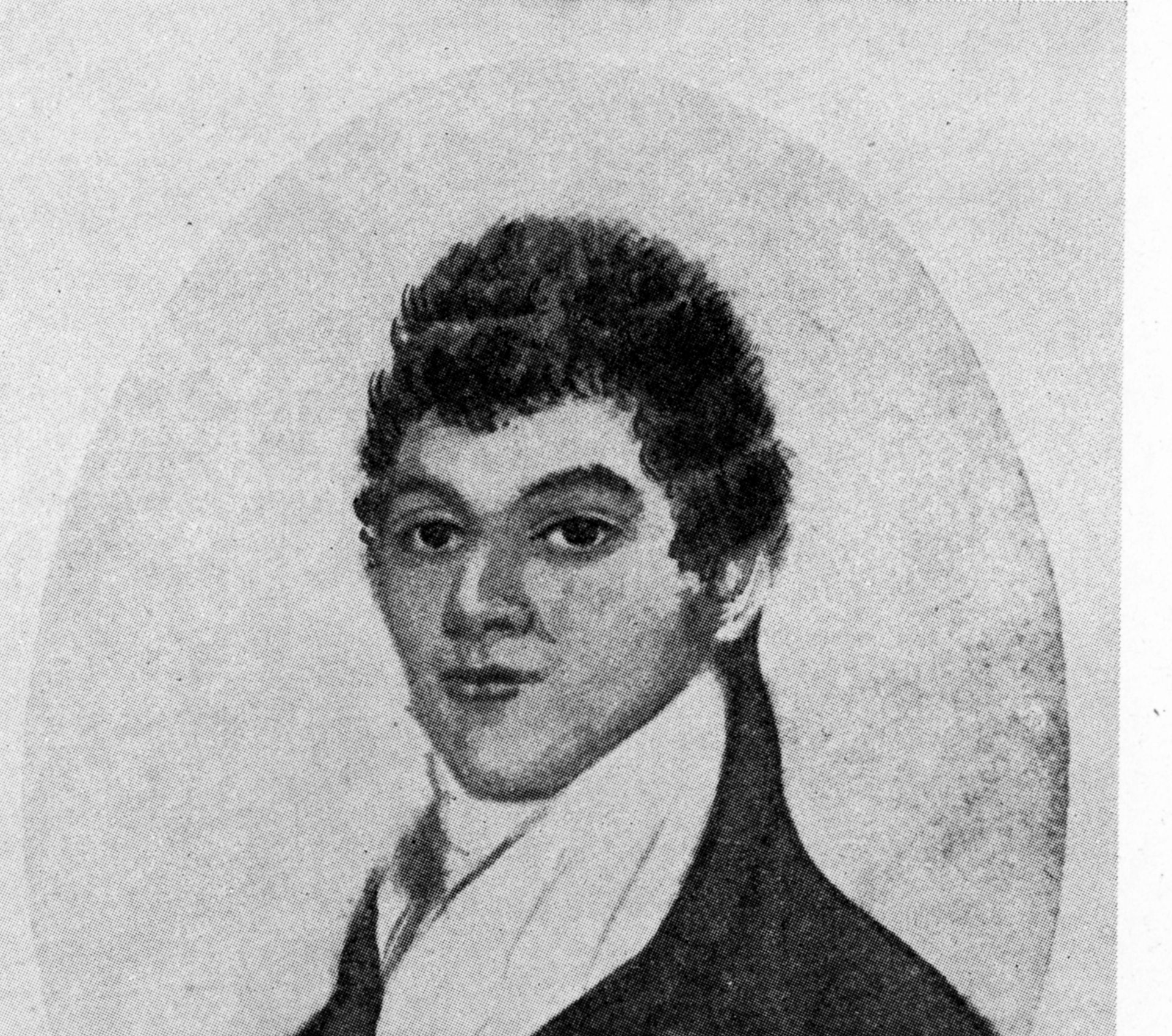
Read about George Bridgetower in Brighton, the gifted Black violinist linked to the Prince Regent, Beethoven and a lost musical legacy.
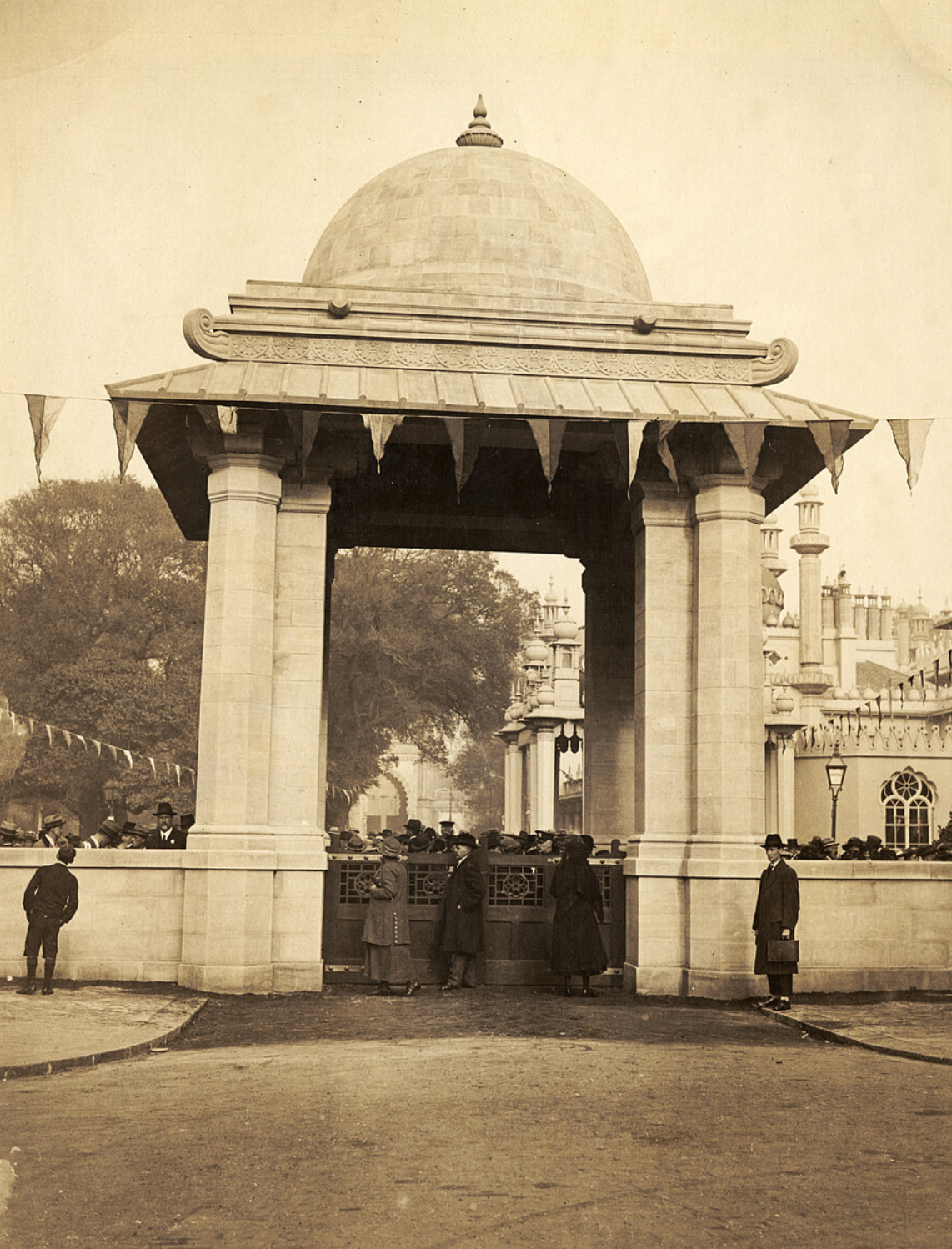
The India Gate in Brighton's Royal Pavilion Gardens was unveiled in 1921 as a gift of gratitude from India for the care of WWI soldiers treated in the city.
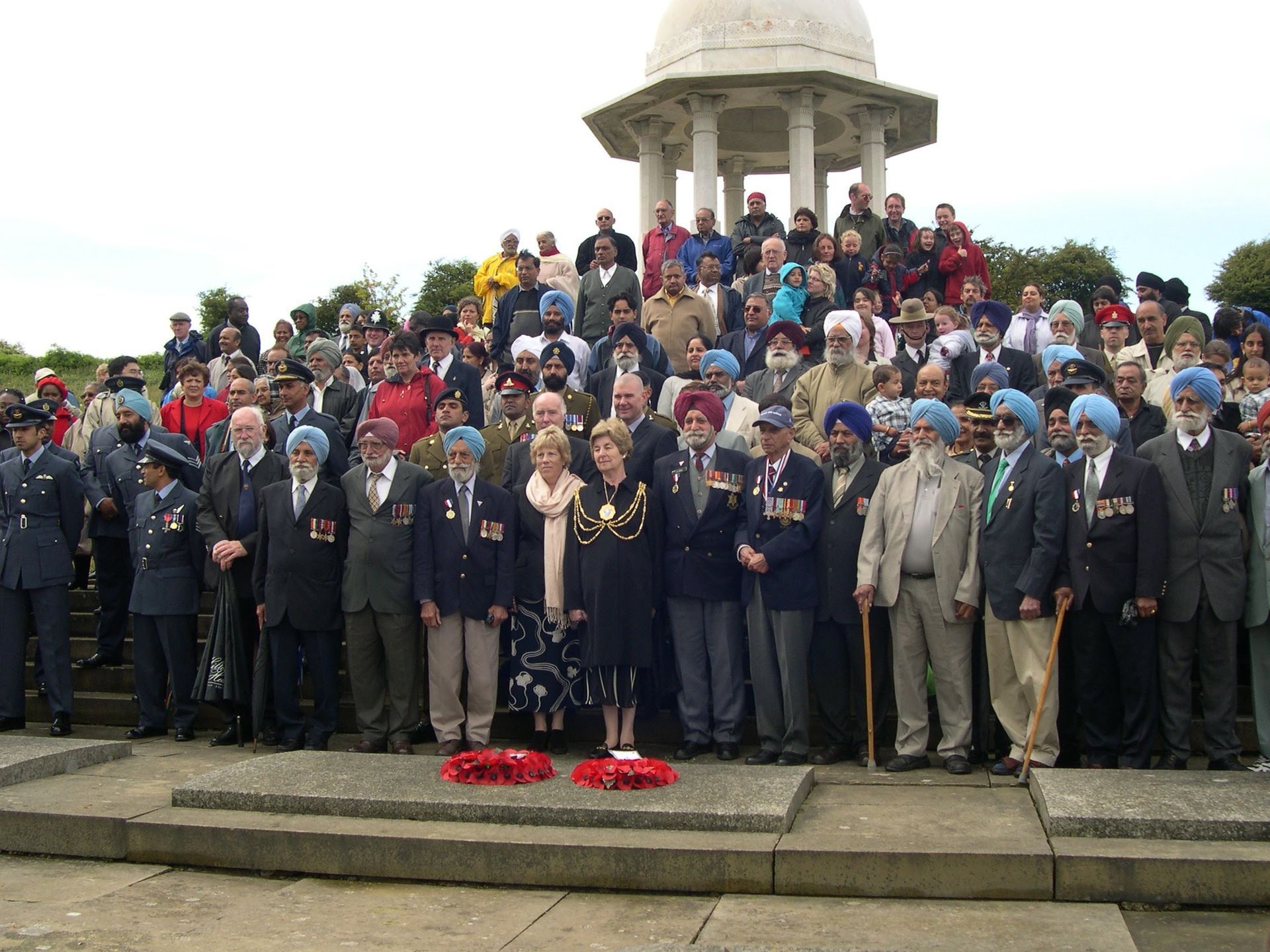
he Chattri on the South Downs marks where Indian soldiers were cremated in 1915, linking Brighton to a global First World War story.
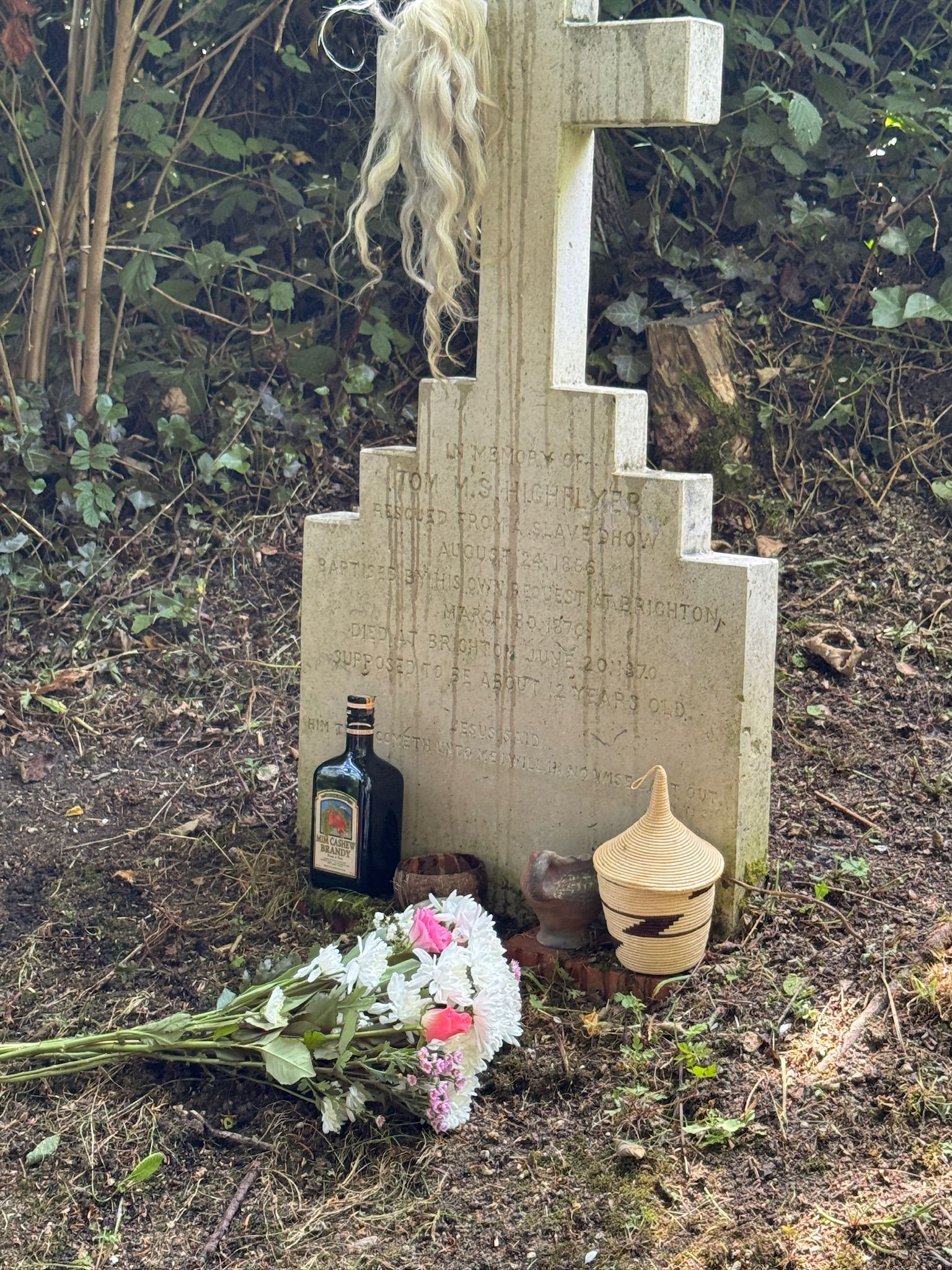
The story of Thomas Highflyer, rescued from an East African slave dhow in 1866 and brought to Brighton, where he is buried at Woodvale Cemetery.
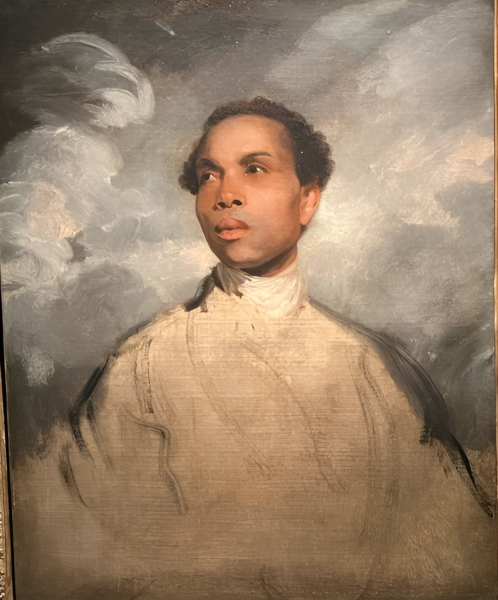
Born into Jamaican slavery, Francis Barber became Samuel Johnson's trusted companion and visited Brighton's West Street in the 18th century.
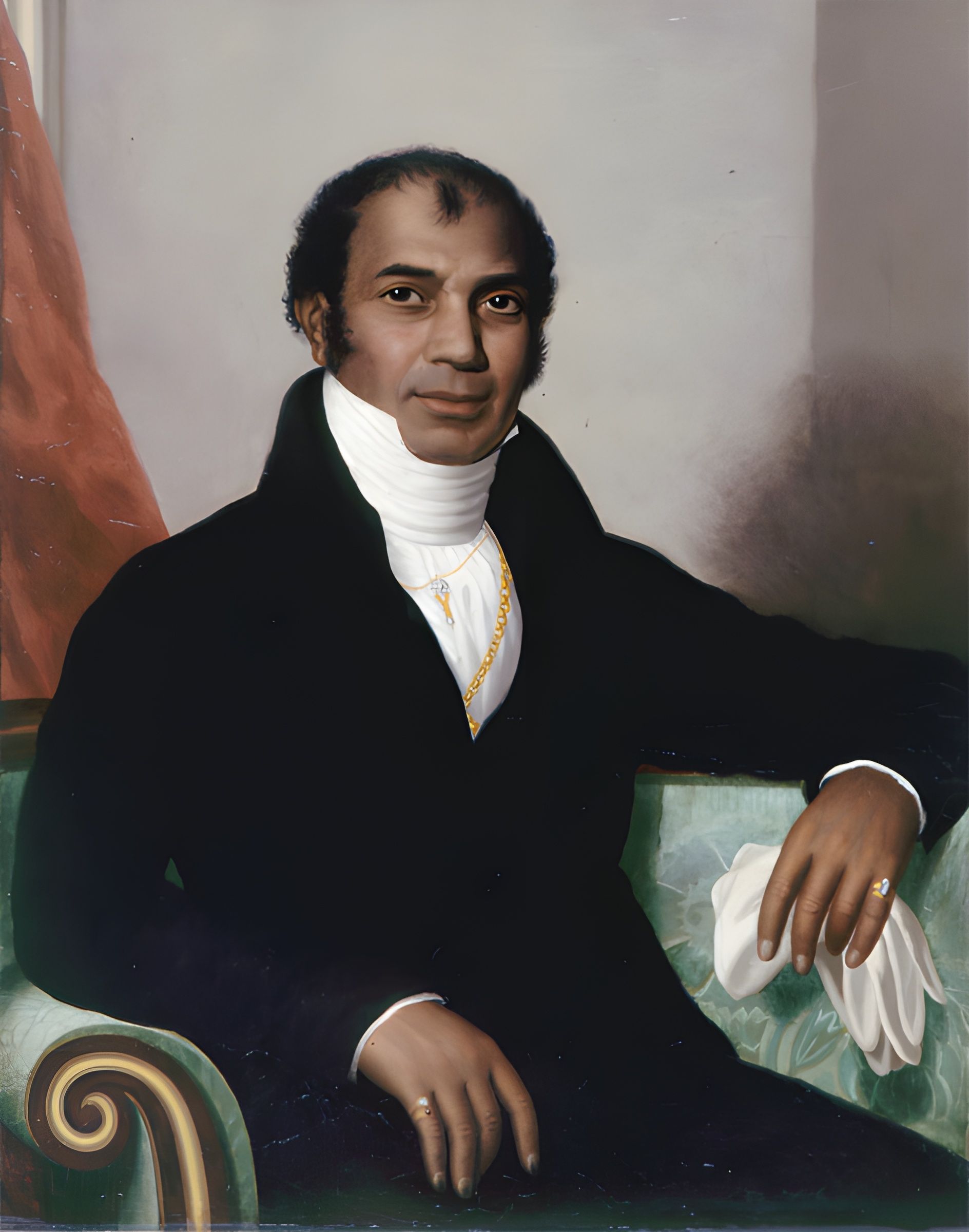
Explore Sake Dean Mahomed’s connection to Brighton, his innovations and his role in shaping local history and culture.
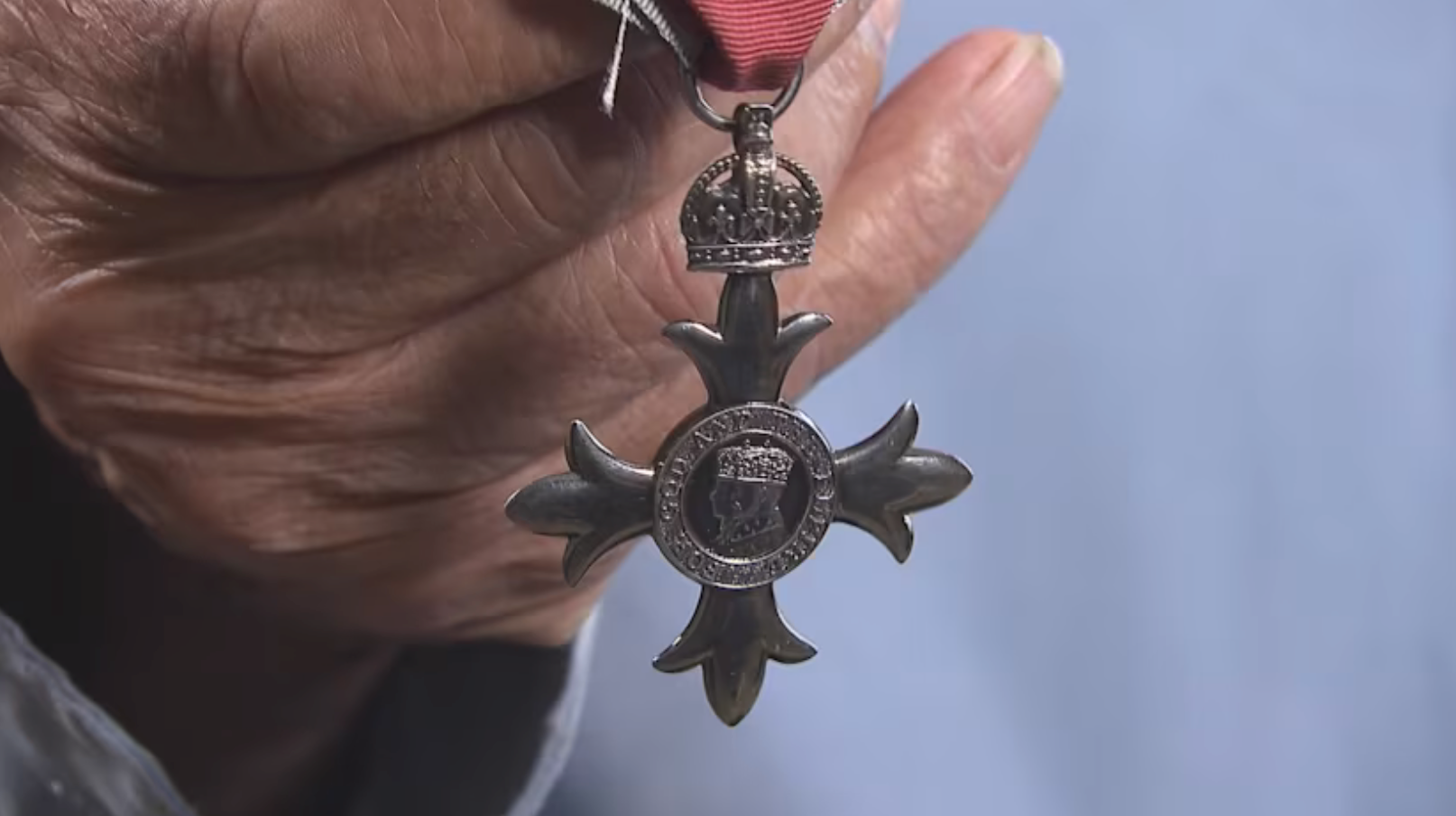
Watch Dr Bert Williams MBE reflect on receiving his honour from Prince Charles in this ITV Meridian interview about his Brighton community work.
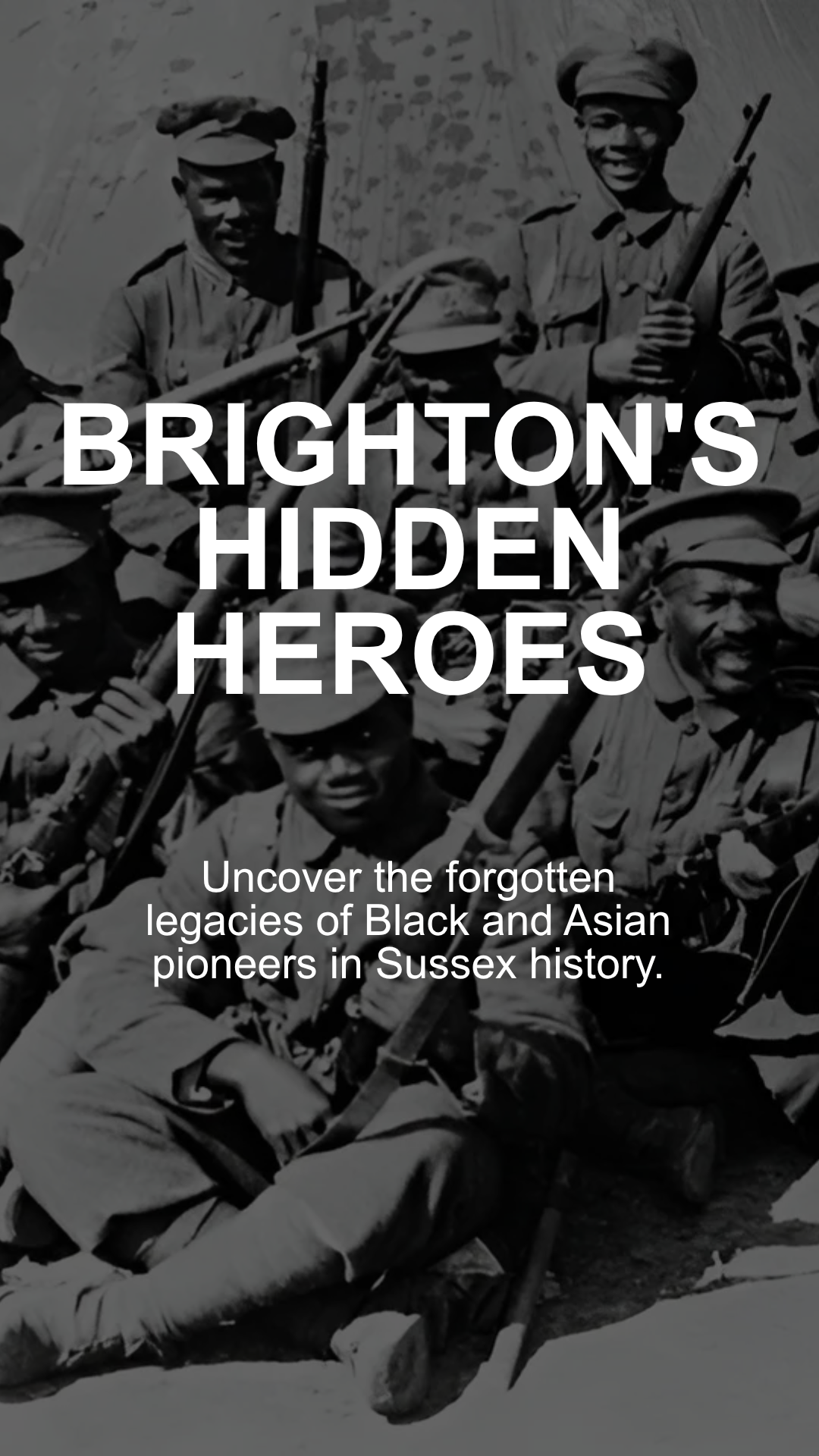
Around 16,000 West Indian volunteers trained at Seaford, Sussex in WWI. Discover the story of the British West Indies Regiment and their Sussex legacy.
Listen to Elaine Humphrey’s story in this Echoes podcast, exploring her life, legacy and place in Brighton’s Black and ethnic minority history.
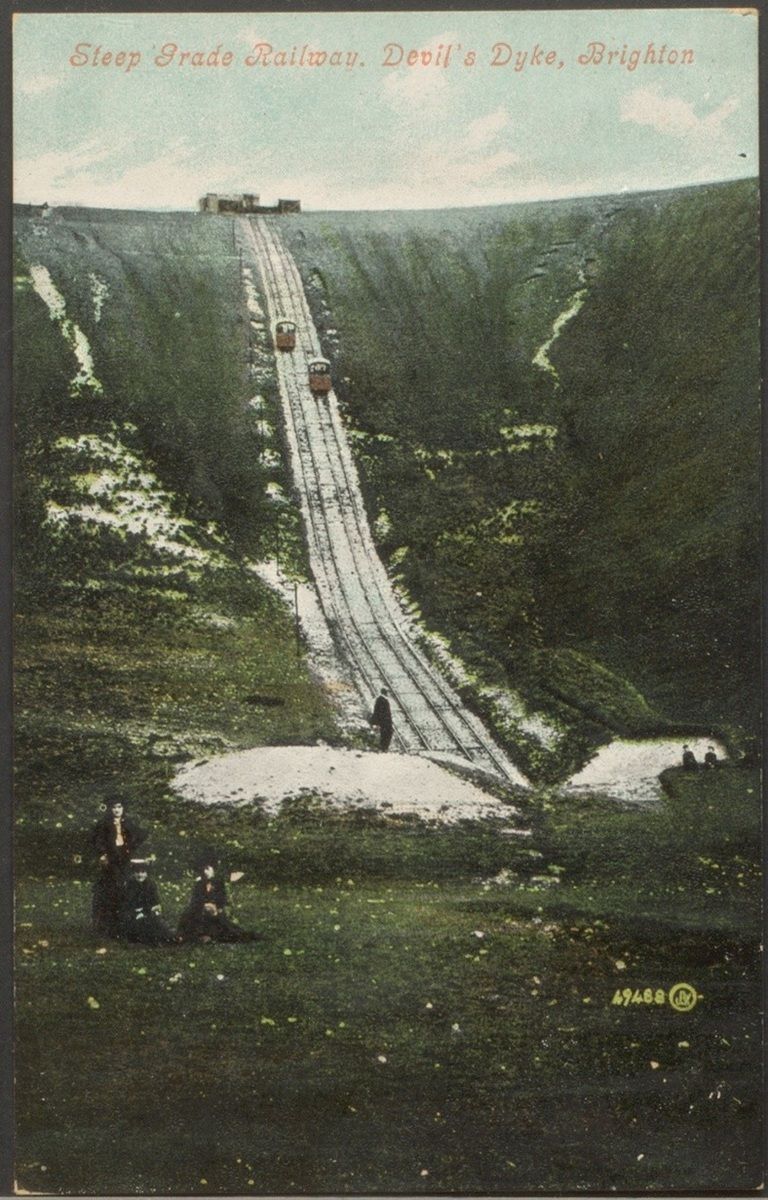
The remarkable story of James Henry Hubbard, a Black entrepreneur from Canada who transformed Devil's Dyke into Victorian Brighton's greatest attraction.
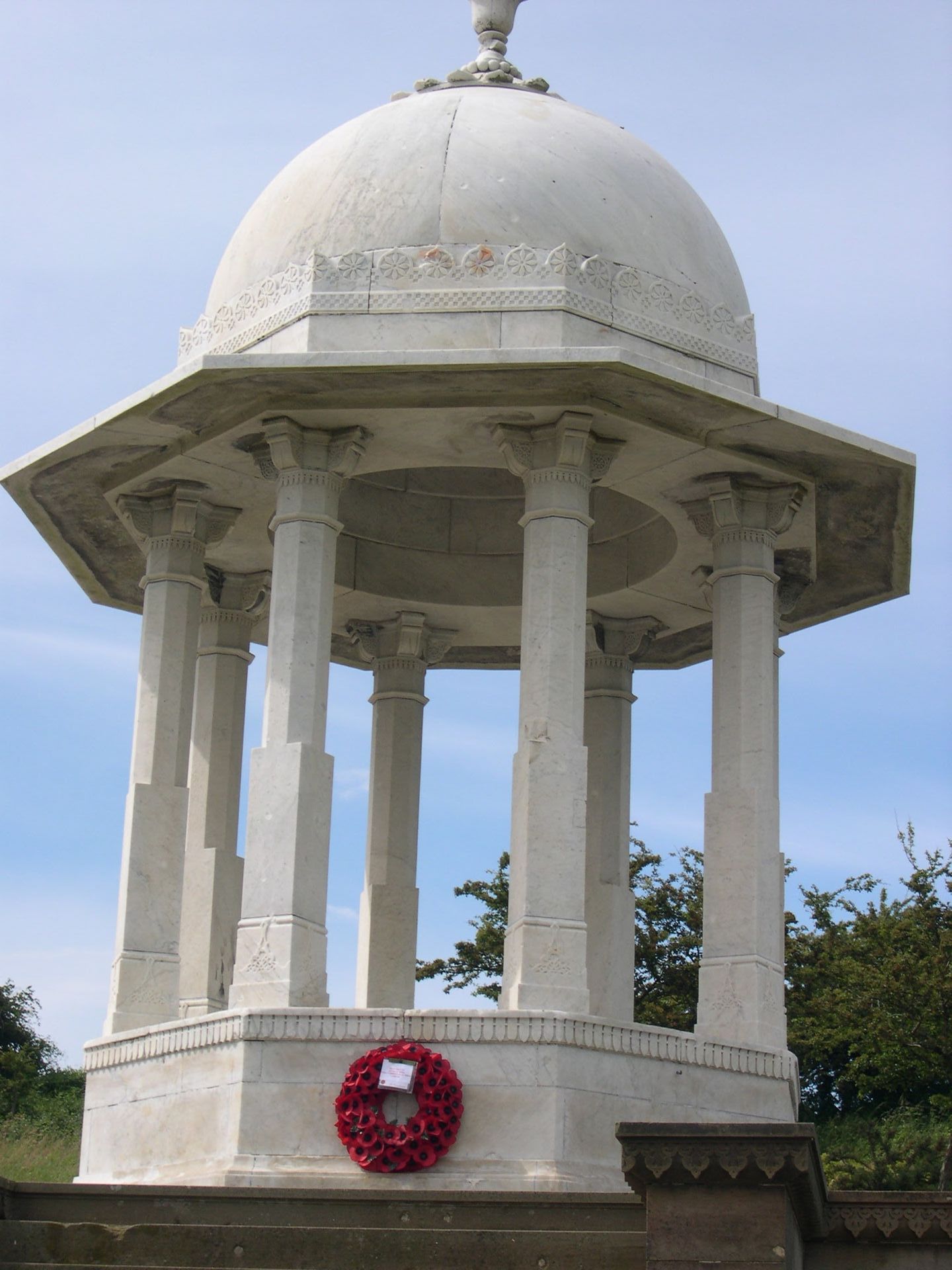
The Chattri on Patcham Downs honours 53 Indian soldiers cremated in Brighton during WWI. Find out about the annual memorial service and its history. 2025

Watch Time & Place, a Brighton & Hove Black History video presented by Beth Harrison and Dr Bert Williams MBE, exploring local Black history.
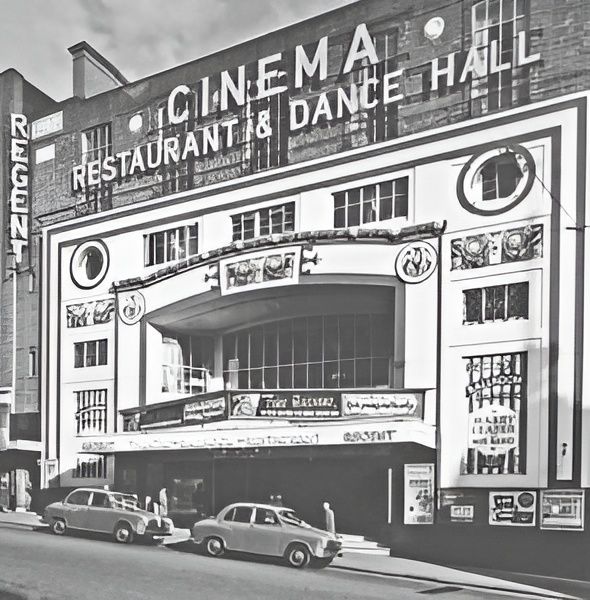
Dr Bert Williams MBE recalls the history of the Regent Dance Hall in Brighton — a landmark of Black community social life in the city's past.