Monica Lewin
Monica Lewin’s story begins in
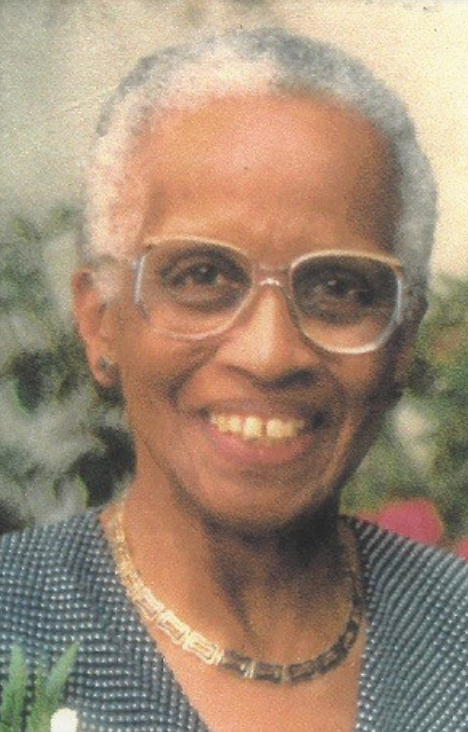
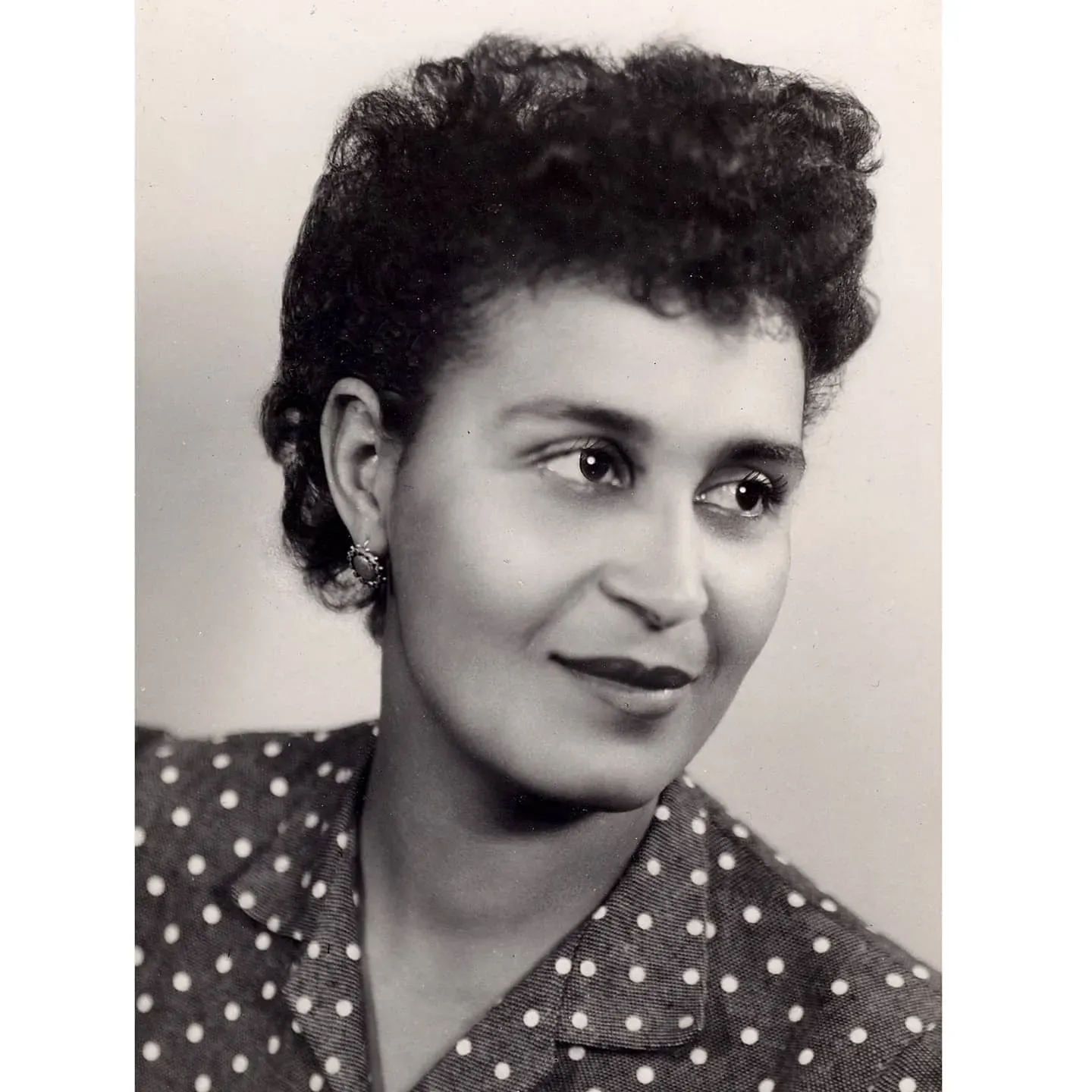
Clarendon, Jamaica, and stretches across the Atlantic to London, Brighton and back again. She was born on 15 August 1925 and went on to become one of the most remarkable Jamaican women of her generation: a surgeon, a teacher and the first Jamaican woman elected a Fellow of the Royal College of Surgeons of England. Along the way, part of her early medical career was spent in Brighton, giving the city a direct link to a figure of real importance in Black medical history.
Early life in Jamaica
She came from a family shaped by education and public service. Her father, James Mahoney Lewin, was a leading figure in Vere, Jamaica, and her mother, Asenath Elliott, was a schoolteacher. Monica was educated at Hampton School, where she became the first Black head girl. That early distinction already hinted at the determination and ability that would mark the rest of her life.
Medical training in Britain
In 1944 she won a Jamaica Government scholarship to study medicine at the Royal Free Hospital in London. After qualifying, she worked as house surgeon and house physician, and then held further posts in Brighton, at the Royal London Homoeopathic Hospital and at the Elizabeth Garrett Anderson Hospital.
That matters for Brighton. It places a young Jamaican woman doctor in the city during a period when Black women in British medicine were still very rare, and it shows Brighton as part of a wider story of migration, training and professional achievement.
Breaking barriers in surgery
Her breakthrough came in 1962 when she passed the FRCS examination, becoming the first Jamaican woman to do so. This was no small milestone. Surgery was still a male-dominated profession, and Black women were rarer still in senior medical ranks. Lewin had crossed barriers of race, gender and geography to reach a level that few women, of any background, had reached at the time.
Returning to Jamaica
She returned to Jamaica soon afterwards and took up senior surgical work at
Kingston Public Hospital and the Children’s Hospital, while also lecturing part time in anatomy at the University of the West Indies. During the violence that shook Kingston in the 1960s and 1970s, she treated patients with gunshot and machete wounds, often in dangerous conditions and under intense pressure. Later accounts of her life remembered both her skill and her calmness in the middle of crisis.
A career across two countries
Lewin’s career also shows that medical migration was not a one-way journey. She trained in Britain, worked here, returned to Jamaica to serve and teach, and later came back to England after her husband David Atkinson took up a consultant post at North Middlesex Hospital. Back in Britain, she continued working in accident and emergency departments at the Royal Northern and Whittington Hospitals. She retired in 1988 and died in 1998.
Why Monica Lewin matters to Brighton
For Brighton, Monica Lewin matters because her story widens the city’s historical map. She was part of the professional life of Brighton in her early career, at a time when that in itself was unusual. Her presence helps place the city within a broader Black British history of medicine, education and movement between Britain and the Caribbean. It is exactly the kind of link that can be missed unless someone goes looking for it.
She deserves to be remembered not only as a pioneer for Jamaica, but also as part of Brighton’s wider and richer past.
Source list
- Royal College of Surgeons, Plarr’s Lives of the Fellows, “Lewin, Monica Cynthia (1925–1998)”
- Royal College of Surgeons, “Black surgeons past and present”, 27 October 2020
- The Lancet, Georgina Ferry, “Monica Lewin: surgeon to victims of political violence in Jamaica”, 2021
- Jamaica Observer, “Paediatric surgery in Jamaica: The major role of women in its development”, 16 March 2022
- image Portrait courtesy of the Royal College of Surgeons of England, Plarr's Lives of the Fellows.
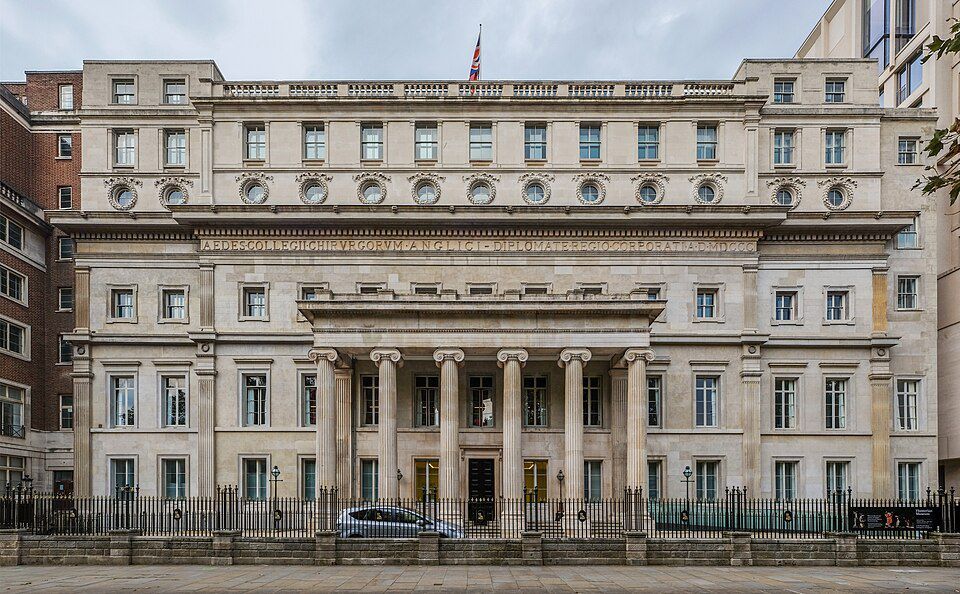
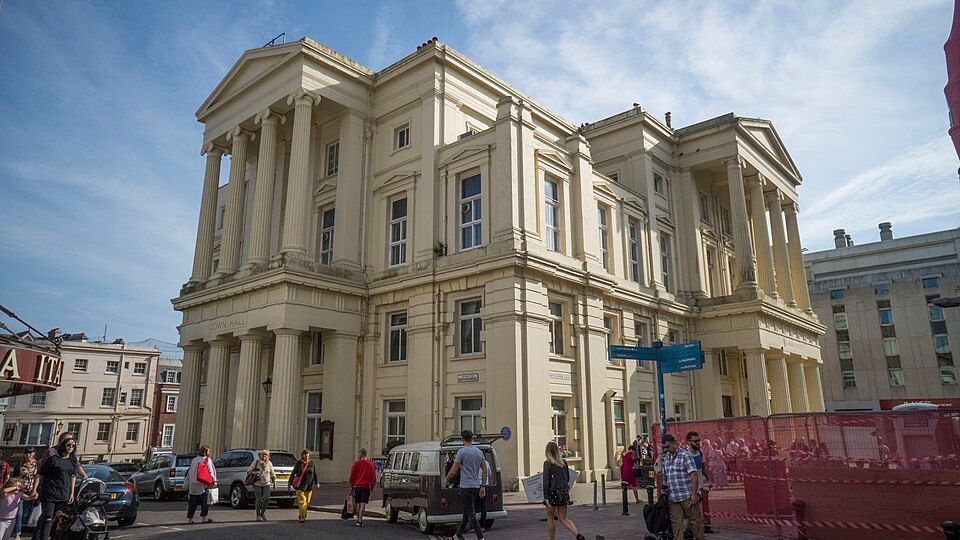
- Royal College of Surgeons of England, Lincoln’s Inn Fields, London. Photo by Jonas呂stefan Magnusson (Jonas Magnus), September 2023. Licensed under Creative Commons Attribution-ShareAlike 4.0 International (CC BY-SA 4.0).