Bob Marley and Brighton’s Reggae History
A Sussex connection
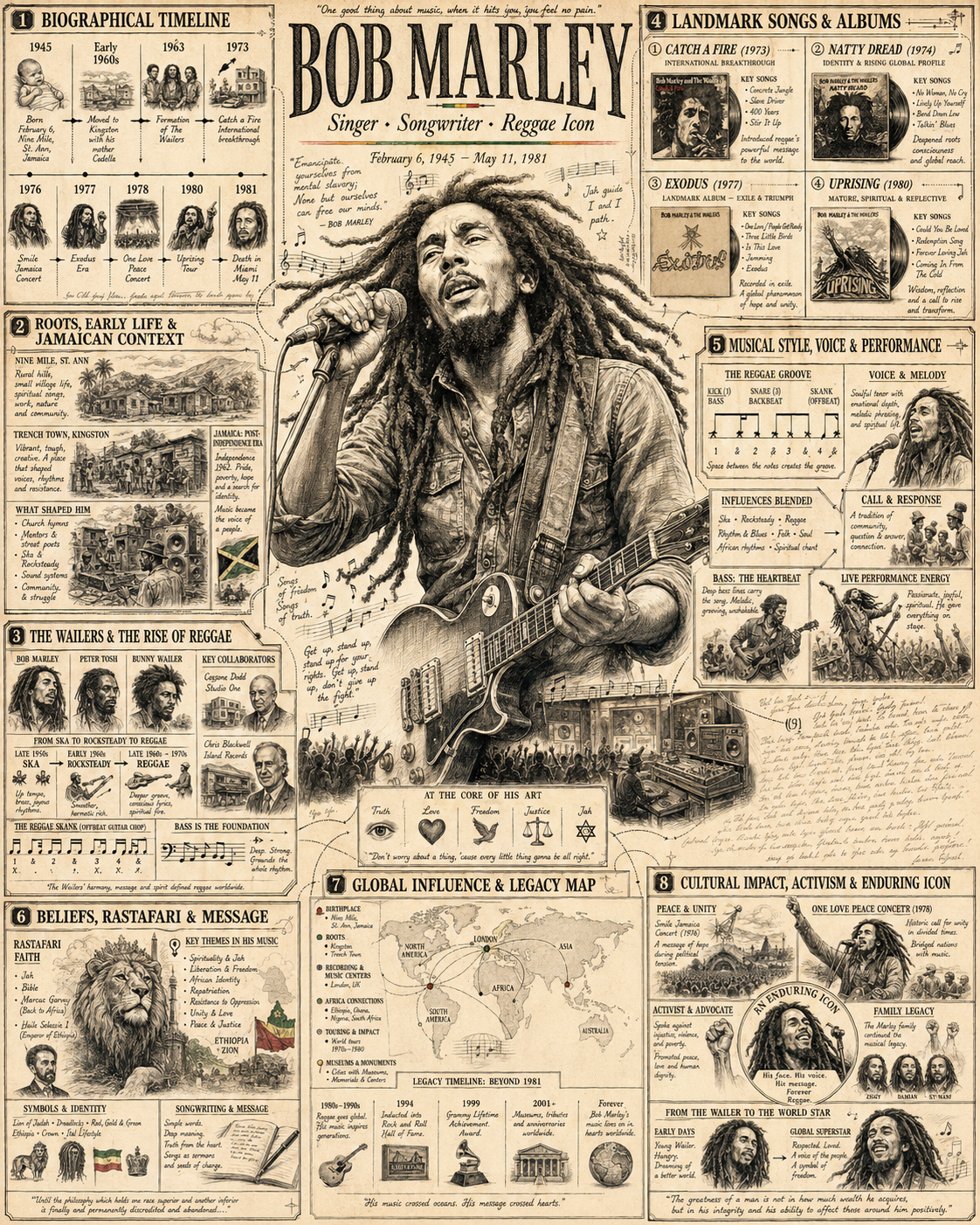
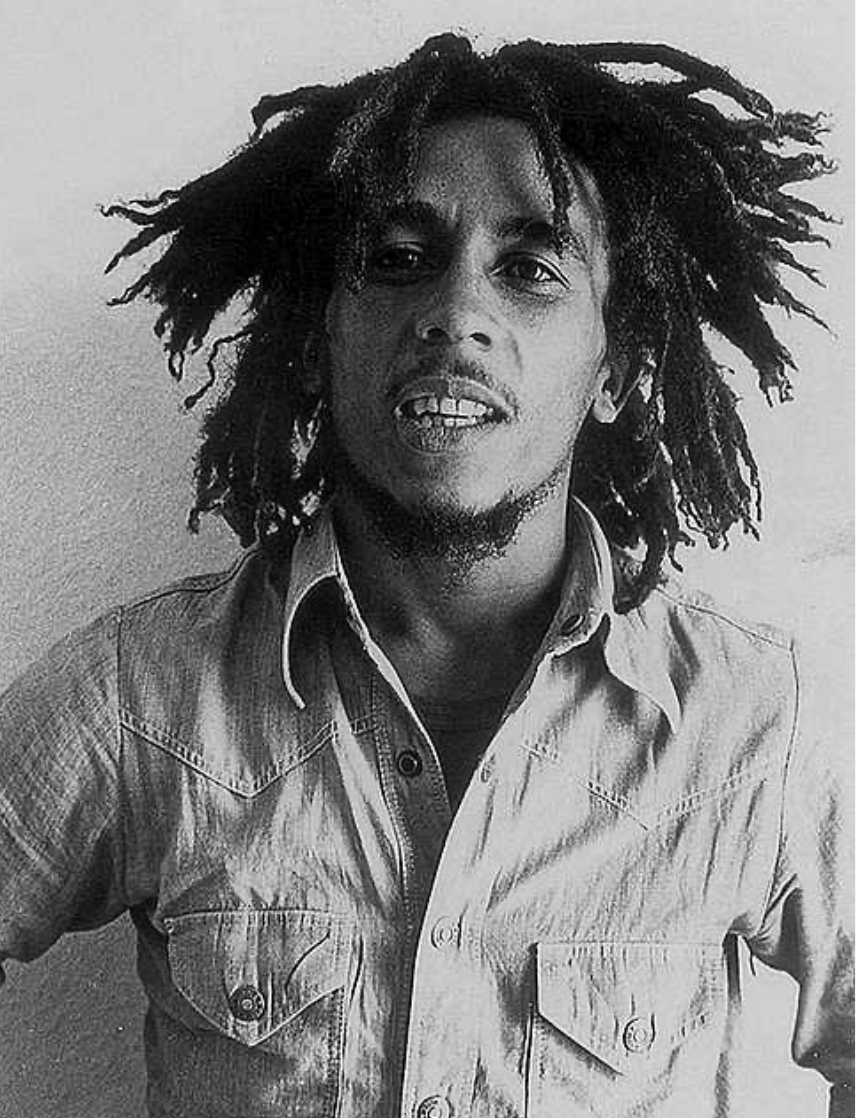
Bob Marley did not come to Brighton as a passing name on a poster. He arrived in July 1980 as one of the great voices of his age, carrying music that meant far more than entertainment to the people who heard it. By then he was known across the world, but Sussex had seen him long before that. In July 1972, he had appeared at the De La Warr Pavilion in Bexhill-on-Sea, still a young and little-known Jamaican singer, playing on an early British visit before fame fully arrived. Eight years later, he returned to this stretch of the south coast to play two nights at the Brighton Centre. There is something striking in that journey. Sussex saw him near the beginning, and Sussex saw him again near the end.
Britain mattered to Marley in a way that went beyond touring. By the late 1970s, this country had become one of the places where his music found its deepest audience outside Jamaica, especially among Black communities living through racism, exclusion and a hard political climate. His songs were heard not just as records, but as statements of pride, dignity and survival. That wider British connection is part of what makes his south coast appearances feel so important now.
At the Brighton Centre
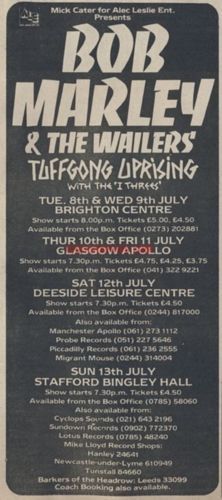
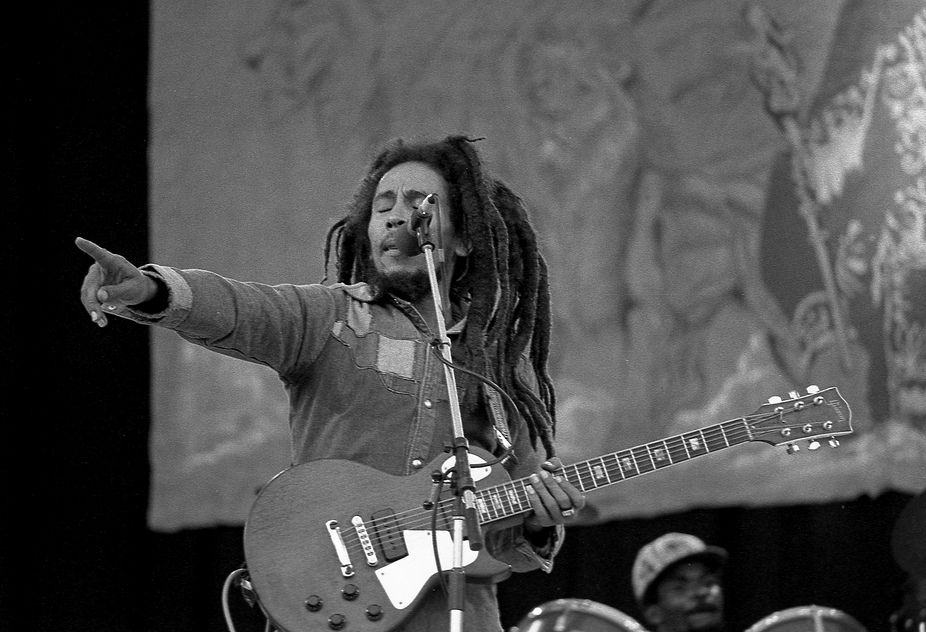
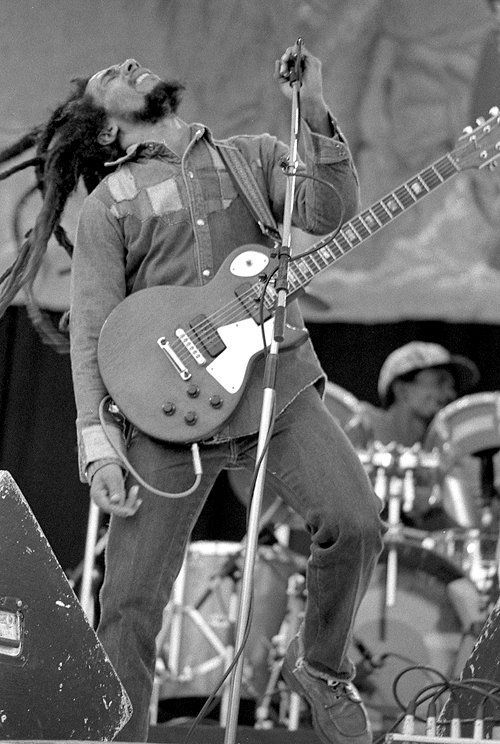
On 8 and 9 July 1980, Bob Marley and the Wailers brought the Uprising Tour to Brighton. The venue was the Brighton Centre on Kings Road, still a relatively new building on the seafront, heavy in concrete and not especially loved for its acoustics. Yet for two nights it became the setting for something much larger than an ordinary concert. These appear to have been the only times Marley played live in Brighton, which gives the city a small but real place in the story of one of the twentieth century’s most important musicians.
By then he was no longer the promising young visitor who had passed through Bexhill. He was a global artist at the height of his significance, and Brighton was part of one of the largest tours in Europe that year. That matters, because it places the city not on the edge of his story but inside a major chapter of it.
More than music
What matters most is not simply that he came here, but when he came. The summer of 1980 was late in Marley’s life. Cancer had already taken hold, though many around him did not yet know how serious it was. Looking back, that knowledge gives the Brighton concerts an added weight. But it would be wrong to write them only as sad occasions. By all accounts, Marley was still performing with power, purpose and intensity. He was not retreating from the stage. He was still commanding it.
Anyone in the Brighton Centre that week would have heard a set full of songs that had already become part of modern history. Natural Mystic. War. No Woman, No Cry. Jamming. Exodus. Get Up, Stand Up. These were songs people danced to, sang to and lived by. In Britain, especially for Black communities facing racism, hostility and exclusion, Marley’s music was more than a soundtrack. It was a source of confidence and recognition. His records carried a sense of dignity and resistance at a time when both were urgently needed.
That is part of what Brighton was receiving in July 1980. Not just a famous performer, but a message that had already travelled deep into British life.
In the room
There was also the presence of the I-Threes, Rita Marley, Marcia Griffiths and Judy Mowatt, whose opening chants helped build the atmosphere before Marley himself appeared. People who were there remembered that feeling. One eyewitness recalled the long vocal introduction and the force it gave the evening from the start. Another remembered Marley seeming unwell, but still being superb. The details may vary from memory to memory, as they always do, but the sense of occasion remains clear. The Brighton concerts stayed with people.
One of the most moving parts of the story is that audiences on the Uprising Tour were among the first to hear Redemption Song performed live. Sometimes Marley sang it with only an acoustic guitar, a stripped-back moment in a show otherwise driven by the full power of the band. It is hard now to separate that song from what followed, because it has come to feel almost like a farewell even though it was not written as one. To think of it sounding out in Brighton, close to the sea, in the summer of 1980, is to feel how near the city came to a defining moment in his final year.
The final stretch
After Brighton, the tour moved on to Glasgow, Wales and Stafford, then later to the United States. In September 1980 Marley collapsed while jogging in New York. He played only one more concert after that, in Pittsburgh, and died on 11 May 1981 at the age of 36. The Brighton shows were not his last, but they belonged to that closing stretch, when he was still giving everything to the stage while time was running shorter than most people knew.
Why it matters here
Marley’s connection to this part of the country was not invented afterwards. It was real, and it began early. In 1972, he appeared in Bexhill as a rising artist with little British fame. In 1980, he came to Brighton as a global figure whose music had changed lives across Britain and far beyond it. There is also evidence pointing to a deeper family connection to East Sussex on his father’s side, especially around Rye, though that part of the story is more complex and not as clearcut as the concert dates themselves. What can be said with confidence is that Sussex sits more than once within Marley’s wider British story.
Brighton often appears in history as a place of leisure, entertainment and escape. That is part of the truth, but not the whole of it. Sometimes the city also becomes a stopping point in much bigger human stories. Bob Marley’s concerts at the Brighton Centre are one of those moments. For two nights on Kings Road, the seafront held a voice that spoke of freedom, struggle, survival and hope. Britain had already given that voice a powerful audience. Brighton became one of the places where it was heard at full strength. That happened here, and that is reason enough to remember it.
The music Marley brought to Brighton that night was rooted in Rastafari, a faith that placed Emperor Haile Selassie at its centre, and there is, quietly, a plaque in a Brighton church thanking Haile Selassie for his family's five years in England. The Black community that heard Marley's music here was the same community that groups like African Night Fever would later serve, keeping African and Caribbean culture alive and celebrated in the city. You can read more about the organising work those communities built in Groups That Organised for Change.
Sources
- The Sussex Roots and Brighton Resonances of Robert Nesta Marley
- Bob Marley’s Brighton Concerts -The Uprising Tour, 1980
- Images courtesy wikicommon eddie mallin
Related Articles
Related Articles