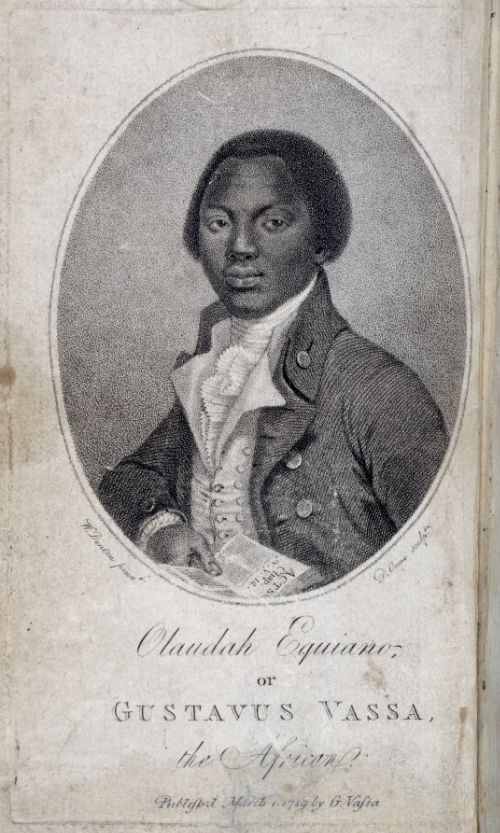
Olaudah Equiano and Brighton’s anti-slavery networks
Some lives seem to reach far beyond the places where they were lived. Olaudah Equiano’s is one of them. He was never just a figure in a history book or a name attached to abolition. He was a man who survived enslavement, fought for his freedom, and then used his own story to force Britain to face what slavery really was. Brighton cannot claim him as one of its own in any direct sense. There is no firm evidence that he stood here, spoke here, or walked the town’s streets. But his words still reached places like Brighton, and they helped shape the moral climate in which local people began to organise against slavery.
From enslavement to abolition
Equiano was born in West Africa around 1745 and was enslaved as a child. After years of being sold from one owner to another, and after enduring the violence and uncertainty of life across the Atlantic world, he was able to buy his freedom in 1766. He later settled in Britain and became one of the best-known Black voices in the movement against the slave trade.
In 1789 he published The Interesting Narrative of the Life of Olaudah Equiano, a book that brought the reality of enslavement before the British public with a force that few could ignore. It was widely read and went through several editions in his lifetime, helping to strengthen the abolition campaign. What made the book so powerful was its clarity. This was not a distant political argument. It was the account of a man who had lived through the system and could describe its cruelty from the inside.
Brighton and the anti-slavery movement
What links Equiano to Brighton is not a proven visit, but something broader and in some ways more revealing. His life and writing fed into a national movement that spread through books, pamphlets, churches, meetings and personal networks. Ideas travelled. People read, discussed, argued and acted. By the early nineteenth century, Brighton had become one of the places where anti-slavery feeling was being turned into public action.
The town had Quaker roots, and those roots mattered. Quakers were among the earliest and most consistent opponents of slavery in Britain. The Friends Meeting House in Ship Street stands as a reminder that reforming traditions ran through the town long before abolition became a national political cause. The Quaker heritage record for Brighton notes that Isaac Bass, a local abolitionist, is buried there. That small detail helps anchor this history in a real place, and in the lives of people who made anti-slavery work part of the town’s public life.
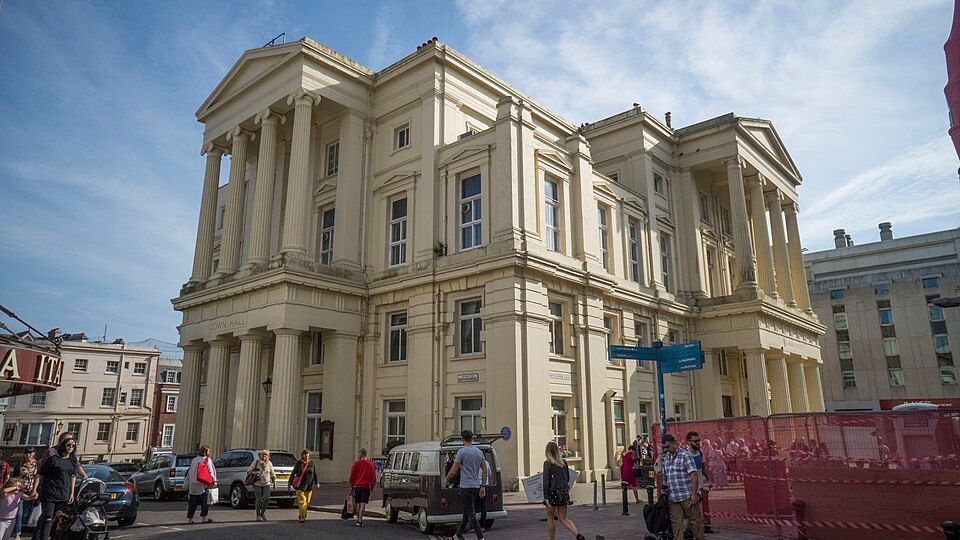
By 1830, Brighton’s anti-slavery campaign had become visible. In November of that year, despite bad weather, a public meeting was held at the Old Ship Hotel to call for an end to colonial slavery. The meeting agreed to petition Parliament and led to the formation of the Brighton Society for Promoting the Abolition of Slavery. A women’s anti-slavery association followed as well. These were not passing gestures. They show that people in Brighton were willing to organise themselves, speak publicly, and join the national pressure for change.
Isaac Bass later attended the World Anti-Slavery Convention in 1840, linking Brighton directly to a wider international movement. His role helps show that the town was not simply picking up ideas from afar and repeating them. People here were taking part in the work itself. Brighton was one thread in a much larger fabric of protest, persuasion and reform.
A fuller and harder history
Yet this is not a simple story of a town standing on the side of justice. Brighton, like so much of Britain, was also tied to the economy that slavery helped build. Research has shown that a number of slave-owners and former slave-owners had Brighton addresses, and that compensation money linked to slavery found its way into the town. That matters because it reminds us that abolition did not happen in a moral vacuum. The campaigns for freedom were taking place in a society that had already benefited from slavery’s profits. You can read more about these profits here.
That is one reason why Equiano still belongs in Brighton’s story. His book gave readers a direct account of the cruelty and inhumanity on which that system depended. He made slavery harder to hide behind polite language and commercial distance. Long before Brighton’s public meetings of the 1830s, he had already helped to shift public feeling in Britain. His testimony became part of the atmosphere in which towns like Brighton found their own anti-slavery voice.
A person does not always need to have stood in a place to have changed it. Equiano’s presence in Brighton is not physical but intellectual and moral. His life, his writing and his activism helped create the kind of public conscience that local campaigners later drew on.
Through him, Brighton’s anti-slavery history connects to a much bigger story, one that stretches from West Africa to the Caribbean, from London print shops to Sussex meeting rooms.
Remembering what this means
Today, places like the Old Ship and the Friends Meeting House still help us hold on to that history. They remind us that the struggle against slavery was not only fought in Parliament or by famous names alone. It was also carried by local gatherings, petitions, religious communities, and ordinary people willing to act. In Brighton, Equiano’s story lives in that wider movement. His words helped build the world in which anti-slavery action here became possible.
Related Articles:
Sources
- Encyclopaedia Britannica, Olaudah Equiano
- Encyclopaedia Britannica, The Interesting Narrative of the Life of Olaudah Equiano
- Quaker Meeting Houses Heritage Project, Friends Meeting House, Brighton
- The Brighton Society, The transatlantic slave trade: our city, its heritage and its people
- University of Brighton, Tracing Brighton’s forgotten slave-owners
- Image by Creator:W DentCreator:D Orme - This file has been provided by the British Library from its digital collections
Related Articles
Related Articles