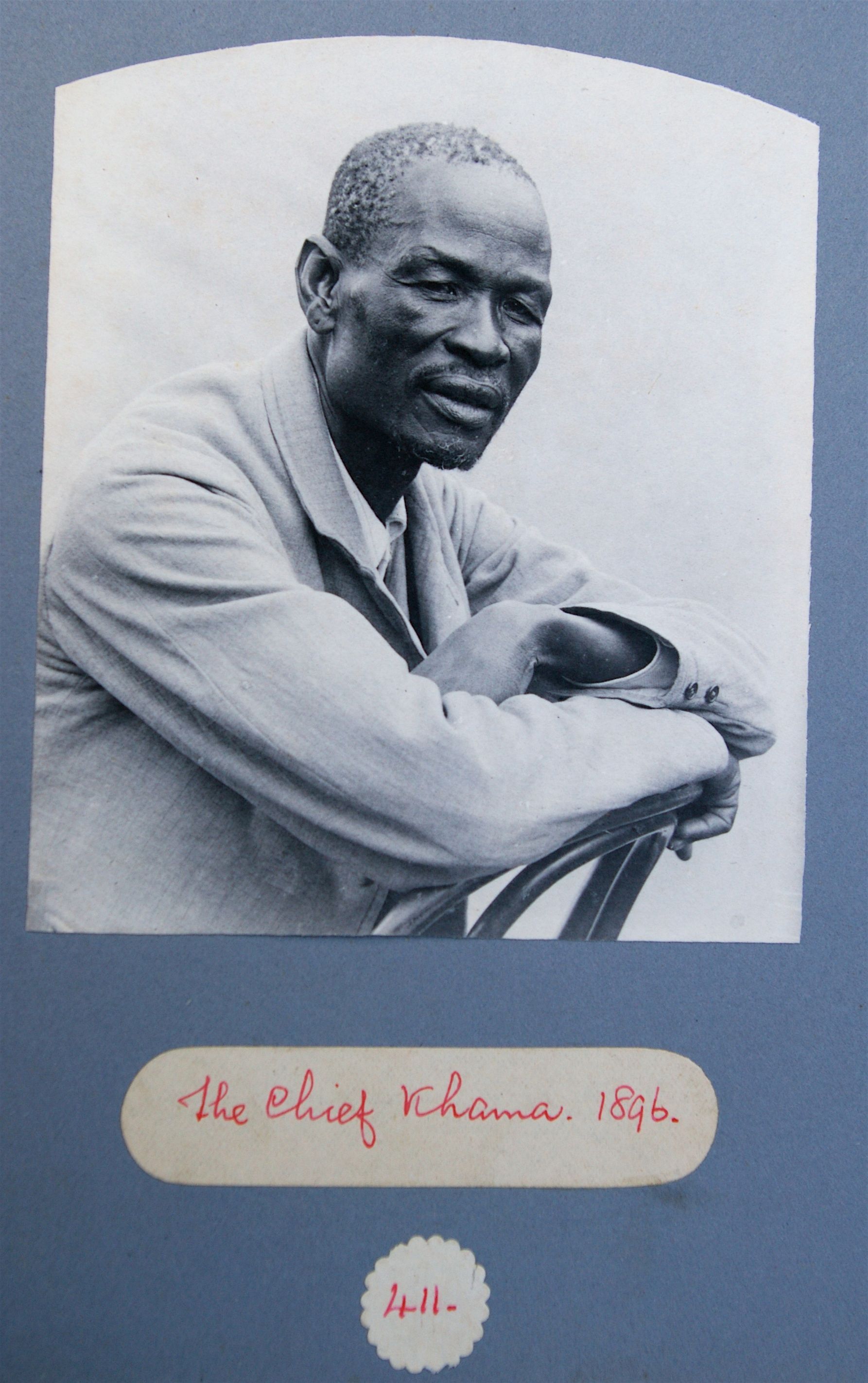
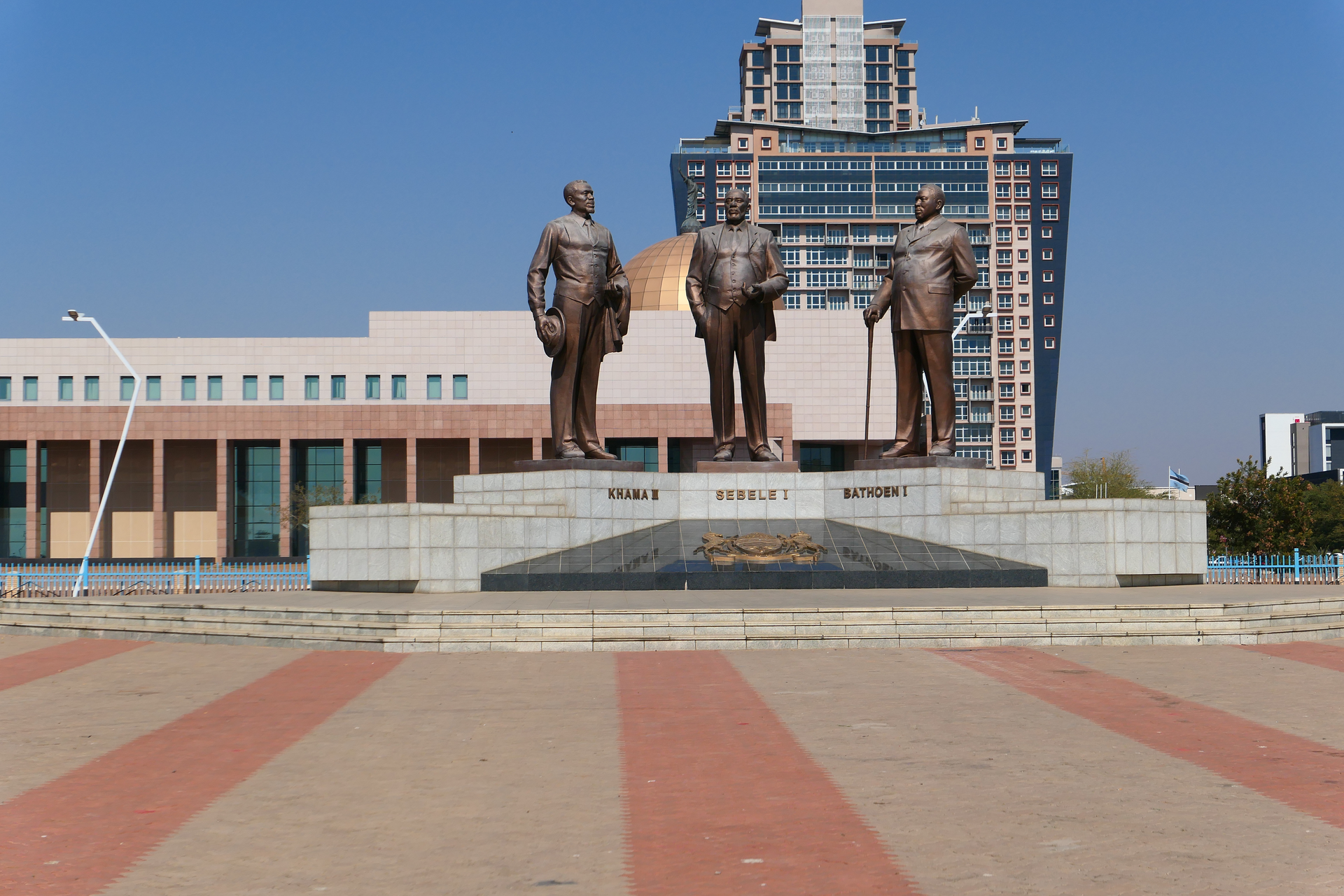
The delegation was made up of three leaders from Bechuanaland: Khama III, Sebele I, and Bathoen I.
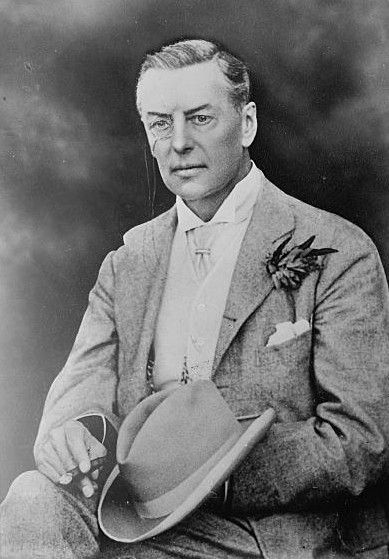
They travelled to England to appeal directly to Queen Victoria and the Secretary of State, Joseph Chamberlain.
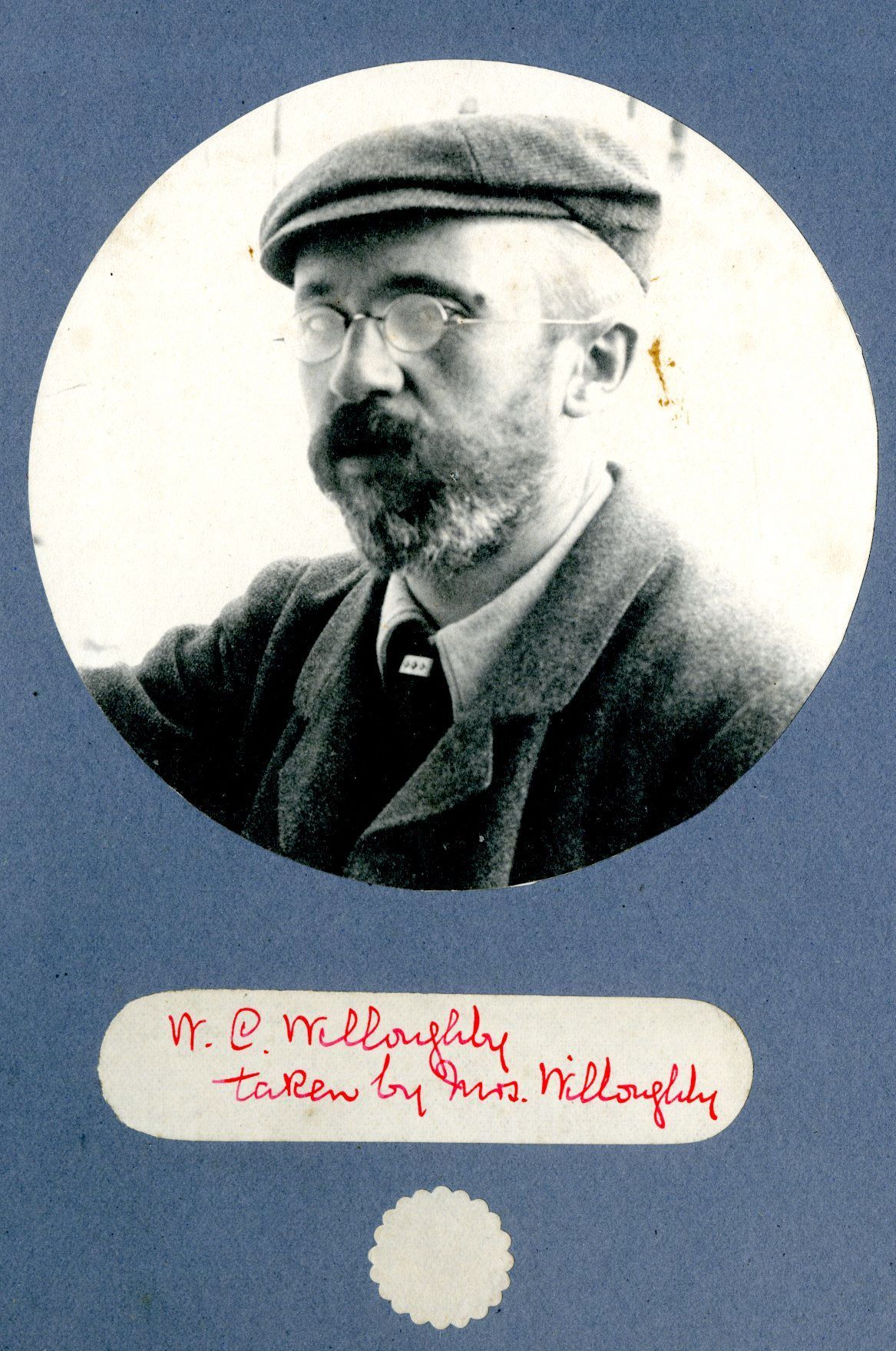
They were supported by the Reverend Charles Willoughby, a missionary who acted as interpreter, organiser, press contact, and political adviser.
The group also included Willoughby’s eight-year-old son, Howard Willoughby, who was fluent in Setswana and helped with interpretation.
The Journey to England
Departure
- The group left Palapye on 31 July 1895, travelling by oxcart and horseback before joining a train at Mafeking.
- Confrontation with Cecil Rhodes
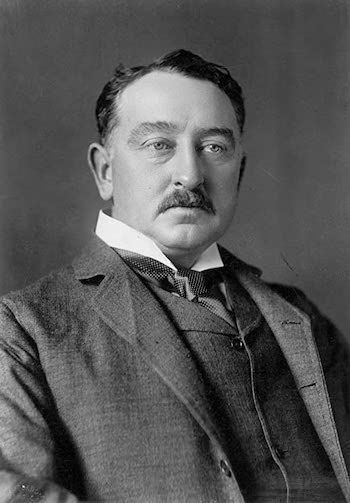
- On reaching Cape Town on 18 August, they met Cecil Rhodes at Groote Schuur. He tried to stop them travelling to England but failed.
- Arrival in Britain
- They sailed on the RMS Tantallon on 21 August, arriving in Plymouth on 6 September. From there, they travelled by train to London and stayed at the temperance South Place Hotel in Finsbury, near the London Mission House.
Campaigning for Support
- The Kings developed a strong liking for
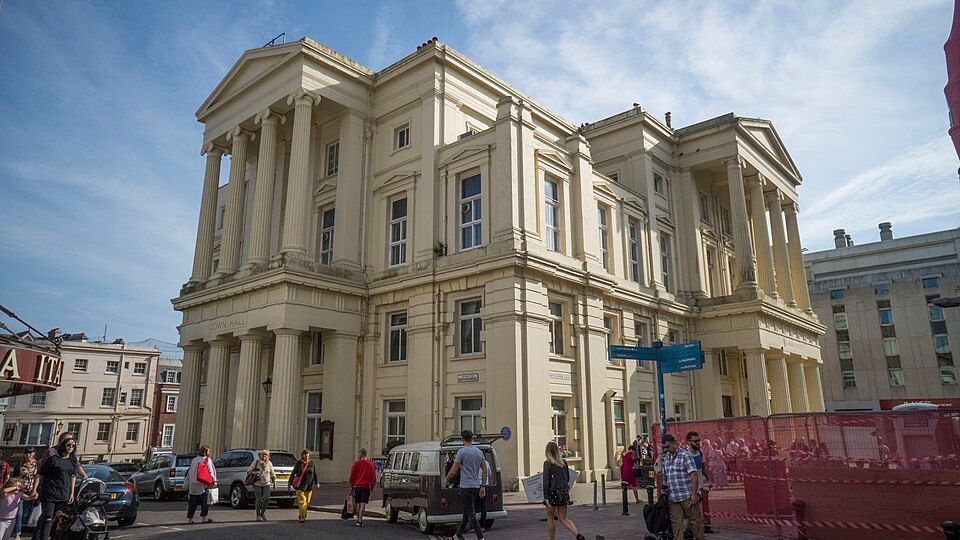
Brighton, saying they preferred it to London because of the friendliness of the people. They stayed with Mr George Singleton and visited the Aquarium, now the Sea Life Centre, and the Glynde Dairy. During the Aquarium visit, Howard Willoughby acted as their interpreter.
- Coming from an agricultural society, the Kings showed interest in British farming methods. They visited Sutton Seeds in Reading to see how seeds were grown. As skilled horsemen, they were disturbed by the poor condition of many horses they saw in London.
- In November, King Khama and Willoughby travelled to Redruth, staying with Willoughby’s father and attending a Wesleyan chapel.
Diplomatic Meetings and Outcome
The mission succeeded in securing protection for their territory against Cecil Rhodes.
- Meeting Joseph Chamberlain
on 19 November, Chamberlain hosted a dinner in their honour and presented the Kings with hunting saddles, bridles, and gold signet rings engraved with their crests.
- On 20 November, the Kings met the
Queen Victoria at Windsor Castle. In her diary, she described them as “very tall & very black” and noted that they were Christians who wished to control the use of strong drink in their lands.
- The Kings
agreed to accept British protection, giving up full independence to remain a Protectorate and avoid control by Rhodes’ company. This decision is noted as having spared the territory many later abuses associated with apartheid.
Exchanging of Gifts
- The Kings presented the Queen with a leopard and jackal karosses, described as being of very high value.
- Gifts to the Kings
- Queen Victoria gave the kings finely bound New Testaments in their own language, Indian shawls for their wives, and framed photographs of herself.
Aftermath
Cecil Rhodes was said to be furious at the outcome, describing it as humiliating to be defeated by the Kings.
The delegation left England on 23 November and returned to Palapye on 7 January 1896.