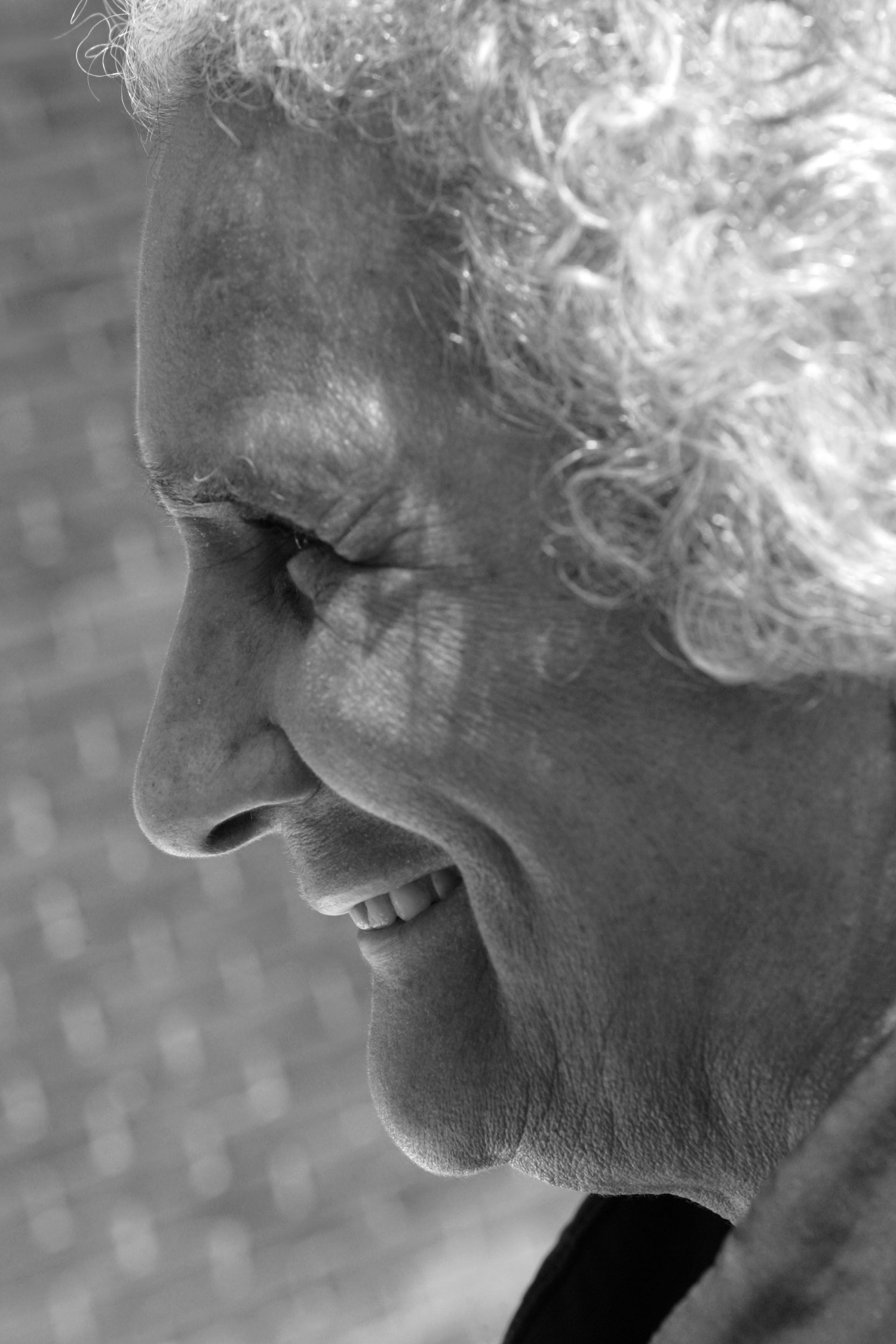
A Brighton-based artist with many forms
Art, Language and Belonging in Brighton
Some artists ask us to look again at what is already around us. Edi Jay Mandala does that with words, images, landscape and memory. His work does not treat Brighton, the South Downs or the English countryside as neutral places. It asks who has been made to feel at home here, who has been pushed to the edge, and what it means for Black presence to be seen, named and held in the record.
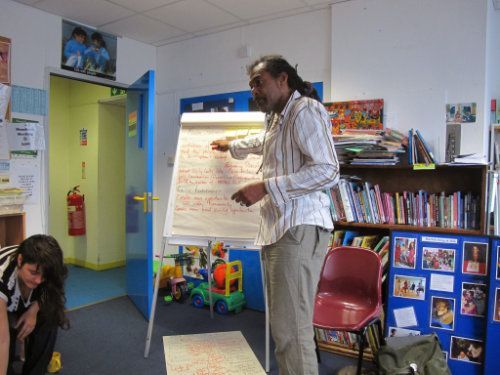
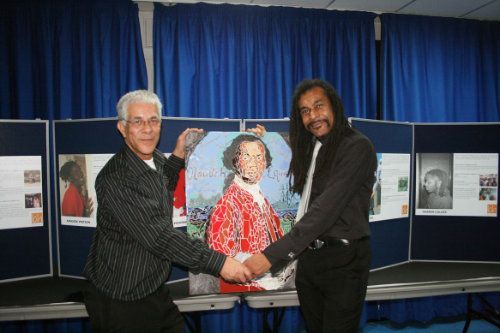
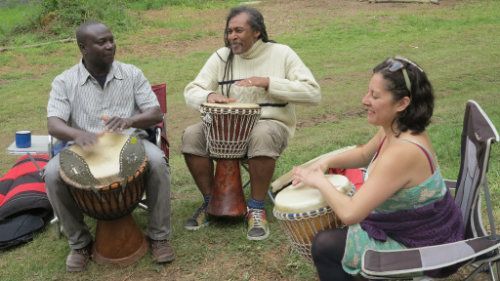
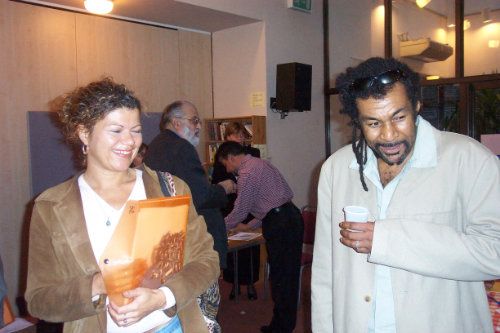
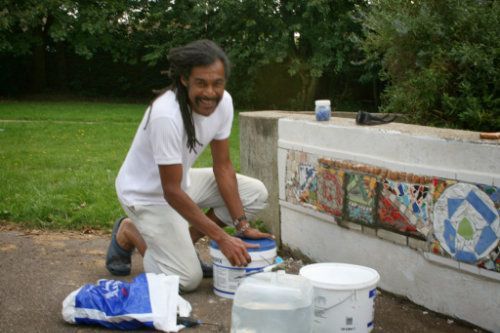
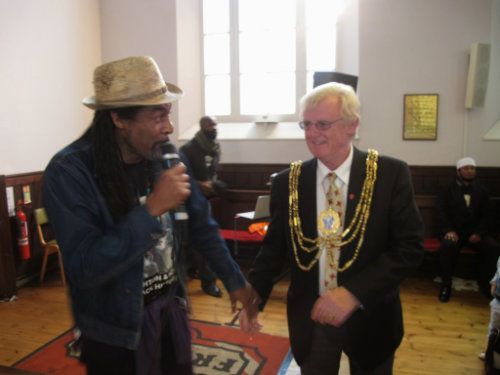
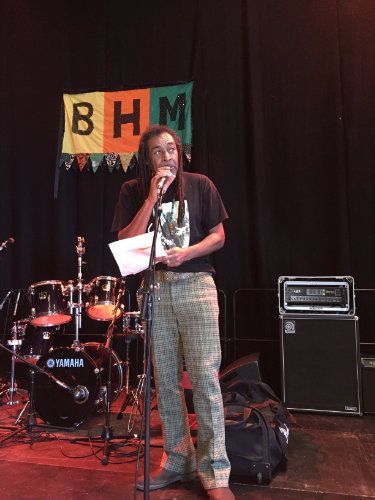
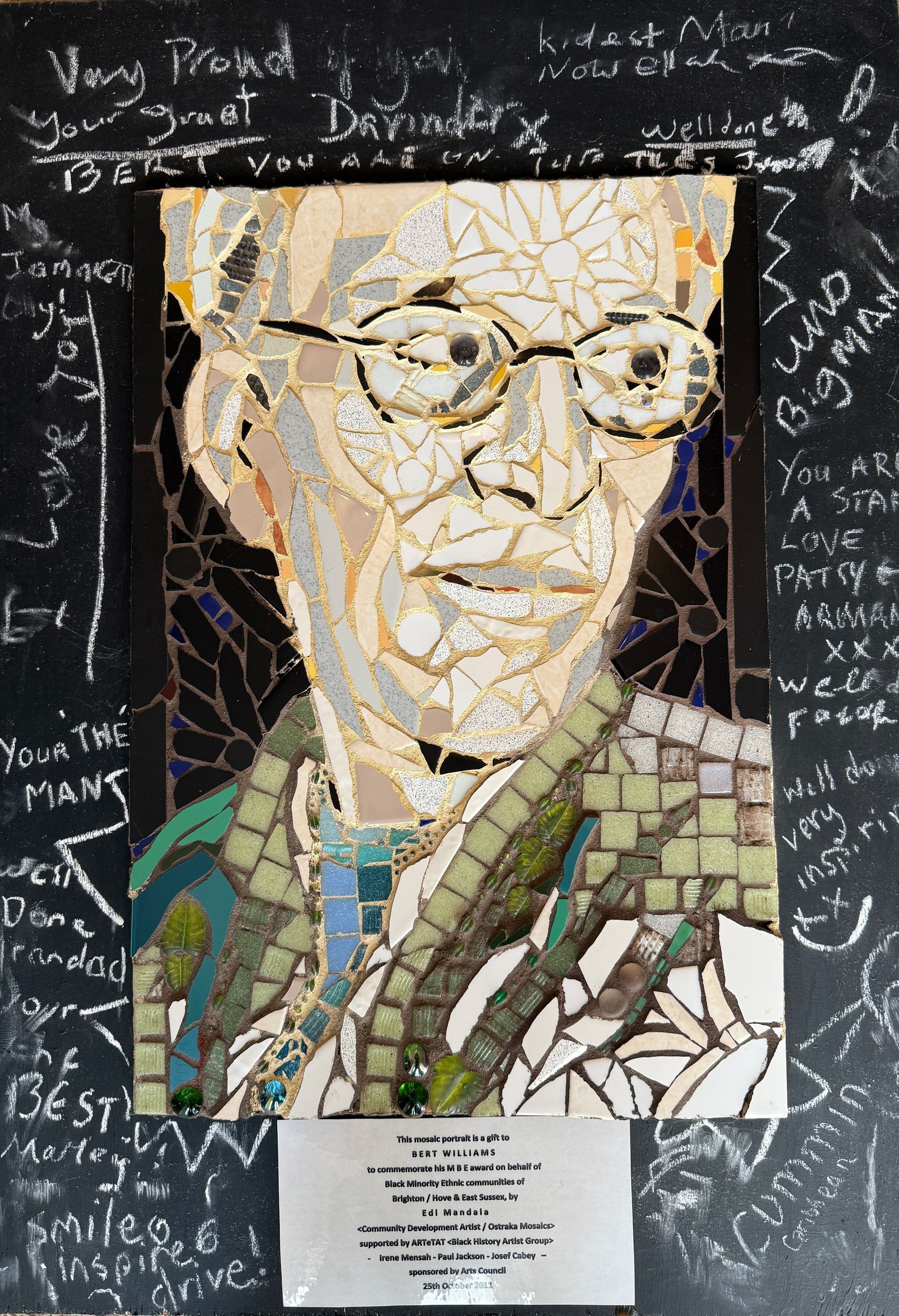
Edi is a Brighton-based Black multimedia artist and writer whose work moves across mosaic, text, collage, digital media, performance and socially engaged art. Public profiles link him with Writing Our Legacy, SEAS Brighton, Brighton & Hove Museums, Photo Fringe, Black History Month and the South Downs. Together, these links place him within a growing body of local work that connects Black creativity with heritage, anti-racism, landscape and community memory.
A Brighton-based artist with many forms
Edi’s creative practice is difficult to place in one box, and that seems part of its strength. He has been described as a multimedia artist whose work includes mosaic, portraiture, text, collage, digital media, performance and writing. That range matters because his work is not only about making objects. It is also about asking questions.
What does language hide?
What does it reveal?
Who gets named kindly?
Who gets reduced, labelled or pushed aside?
In Brighton and Sussex, those questions carry local weight. This is a city often proud of its open-minded image, but Edi’s work reminds us that belonging is not simply something a place can claim for itself. It has to be lived, shared and tested.
His link with Writing Our Legacy also places him within a wider network of Black, Asian and ethnically diverse writers and artists working across Sussex. That network has helped make space for stories and voices that have too often been left out of local cultural life.
BLAQ MUSE and the power of language
One of the clearest ways into Edi’s work is through BLAQ MUSE and 99BIGOTs. Brighton & Hove Museums featured his work as part of its Black Lives Matter: Then and Now project, which looked back at the 2020 protests and asked what had changed in the years since.
Through 99BIGOTs, Edi explores the language of bias. The work takes apart prejudice word by word, showing how harm can sit inside everyday speech, public debate and social habit. It is not only about insults or open hatred. It is about the smaller patterns that shape how people are seen, judged and treated.
That makes the work especially relevant to Brighton’s Black history. Much of that history is not only about events in the past. It is about the words, records, silences and public stories that decide who belongs in the city’s memory.
Edi’s work sits in that space. It challenges language that wounds, but it also creates new ways to speak about dignity, identity and repair.
Black Lives Matter and Brighton’s public memory
The inclusion of Edi’s work in Brighton & Hove Museums’ Black Lives Matter: Then and Now project gives it a clear place in the city’s recent history.
The protests of 2020 were not only moments in the street. They became part of Brighton’s public record. Posters, photographs, testimonies, artworks and community voices began to form an archive of feeling, anger, hope and demand. Edi’s work belongs to that wider local response.
This is important because archives do not simply preserve the past. They decide what future generations will be able to find. When Black artists, activists and community groups are included in museum records, the story of the city becomes wider and more honest.
In that sense, Edi’s work is not separate from Brighton’s heritage. It is part of the making of that heritage now.
The South Downs, Devil’s Dyke and the question of belonging
Edi’s work also reaches beyond the city streets and into the landscape around Brighton.
He was one of the artists involved in Outlooks on the English Countryside, a SEAS Brighton and BPOC Photographers Collective project linked to Photo Fringe and Black History Month 2024. The project asked how Black and people of colour experience the countryside, including places such as the South Downs and Devil’s Dyke.
This gives Edi’s story a strong Sussex connection. The South Downs are often pictured as open, peaceful and timeless. But landscapes carry history too. They carry memory, ownership, exclusion, leisure, labour and longing. For many people, the countryside has not always felt welcoming or safe.
Edi’s contribution speaks to that tension. As a second-generation Windrush descendant, he places Black identity within the English countryside and asks what it means to claim space there. That is a powerful local idea. It shifts the Downs from scenery into story.
For Echoes of Brighton’s Past, this matters. Devil’s Dyke and the South Downs are usually told through tourism, beauty, walking routes and Victorian leisure. Edi’s work helps open another view: the countryside as a place where race, belonging and memory are still being worked through.
Why Edi Jay Mandala matters to Brighton’s story
Edi Jay Mandala’s work matters because it refuses to let Brighton’s story stay narrow.
His art asks difficult questions, but it does so through creative forms that invite people to look, listen and think again. His work with language challenges the small and large ways racism survives. His involvement in Brighton’s Black Lives Matter archive helps place recent Black experience into the city’s public memory. His South Downs work asks who gets to feel at home in Sussex landscapes.
This is not only a story about one artist. It is also a story about Brighton and Hove learning to see itself more clearly.
The city’s Black history is not held only in old records, famous names or distant events. It is also being shaped now by artists, writers, organisers and communities who are asking better questions of the places we share.
Edi Jay Mandala is part of that work. Through art, language and landscape, he helps make space for a fuller, sharper and more honest Brighton story.
Source:
- Brighton & Hove Museums: Black Lives Matter: Edi Jay Mandala
- Brighton & Hove Museums: Black Lives Matter: Then and Now, 2020–2025
- SEAS Brighton: Outlooks on the English Countryside
- Colonnade House: Outlooks on the English Countryside
- SEAS Brighton: Haunted Nature
- Writing Our Legacy: Our Network, Edi Mandala
- Writing Our Legacy: Covert Literary Magazine, Issue 3
- Lewes Depot: Artwave mosaic artist in residence notice, 2017
Image courtesy of Dr. Bert Williams MBE
Related Articles
Related Articles