The story that was always there
Brighton’s Black history has never been absent.
That is why the work of Brighton & Hove Black History matters so much. For more than twenty years, the group has helped bring to light stories that were left out, forgotten in archives, or passed quietly through families and communities without ever finding a proper place in the public record. In doing so, it has reminded the city of something important: Black and minority ethnic people are not on the edge of Brighton’s story. They are part of its heart.
2002 A SIGNIFICANT YEAR
Founded in 2002, Brighton & Hove Black History was created to challenge racism and prejudice by raising awareness of Britain’s multicultural history, with a particular focus on Brighton, Hove and Sussex. That aim remains at the centre of its work today.
Over the years, the group has done this in ways that are both practical and deeply meaningful. Through archive research, oral history, talks, walking tours and public events, it has helped uncover lives and experiences that might otherwise have remained hidden. That has meant looking carefully through records and collections, but it has also meant listening to people directly and valuing memories, family stories and community knowledge that do not always appear in official documents.
THE LEGACY STARTS
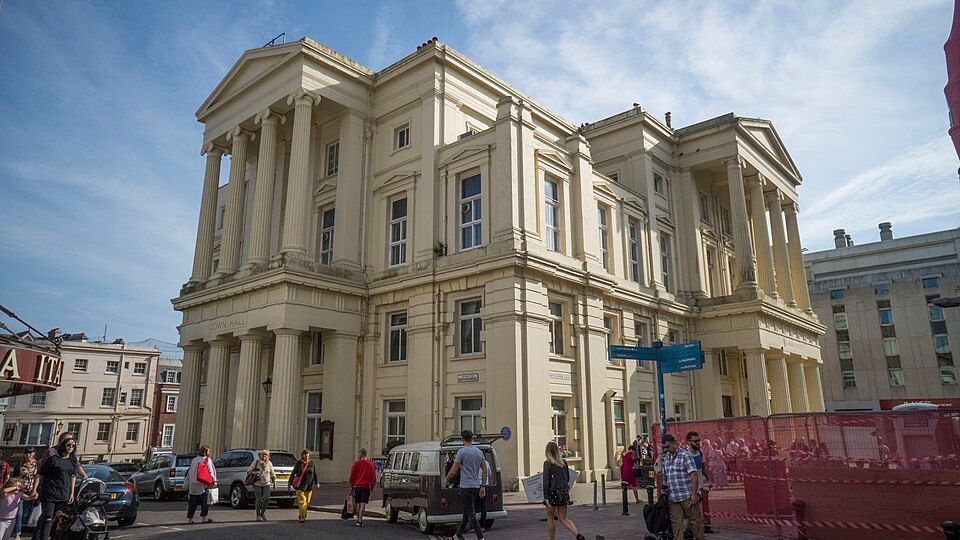
This is one of the reasons the work has had such lasting value. It asks people to look again at the city around them. Streets, buildings and familiar landmarks begin to tell a different story when seen through the lives of the people who helped shape Brighton and Hove, but were too often left out of its best-known histories.
Oral history has been an especially important part of that work. Brighton & Hove Black History has set out a clear aim to record and preserve the experiences of first generation elders in the city’s Black communities. That matters because history is not only found in official papers. It also lives in memory, in voices, in family photographs and in the details of everyday life that can easily disappear if nobody takes the time to keep them.
The group has also helped bring this history into public view. Through talks, exhibitions, events and walking tours, it has made space for people to encounter the city differently. A building becomes more than a building. A route through Brighton becomes more than a walk. History becomes something people can see around them, rather than something sealed away in a file or tucked into the margins of an archive.
LOCAL HISTORY
That public work matters. It helps connect local history with local people. It brings hidden stories back into the streets where they belong and reminds people that the past is not distant. It is all around them, often hiding in plain sight.
Any account of Brighton & Hove Black History should also recognise the people who have helped carry this work forward over the years. Dr Bert Williams MBE has been central to that effort, but he has not carried it alone. Sarah Lee has also been an important part of that story, helping to shape the organisation’s work through her long commitment to research, education and the recording of Black history in Brighton and Hove. Historian Suchi Chatterjee has been part of the wider research and public history work around the organisation for many years, helping bring difficult and overlooked stories into view through talks, writing and heritage projects. Ebou Touray has also played an important part in that growth, helping link Black history with the city’s wider cultural life through leadership, partnership work and public events that have brought more people into the conversation. Together, that mix of research, community knowledge and public presence has helped give Brighton & Hove Black History both depth and reach.
What Brighton & Hove Black History has built is more than a record. It is a reminder that the city’s past is broader than many people once believed, and that recovering these stories is not an optional extra. It is part of telling the truth about Brighton itself.
Brighton & Hove Black History is one thread in a wider story of organised community life in the city. To read about other groups that have shaped change here, from the Black Women’s Group to BARCO, see Groups That Organised for Change.
For anyone exploring the history of this place, that is what makes the group’s work so valuable. It does not invent a different past. It helps the city see more clearly the one it already had.
Related Articles
Related Articles