Masuda Zuha came to England in 1969 with two children to join her husband, who was already working in Brighton. She had qualified as a teacher before leaving what is now Bangladesh. She also wrote poetry, though she said she’d never had the chance to share it. In 2006, QueenSpark Books published her poems alongside other Brighton residents’ memories of moving to Britain and bringing up children here. The book was called Bangla Brighton. Zuha was one of the six volunteers who put it together.
Making Bangla Brighton
The volunteers wrote and recorded their own accounts, then helped friends, relatives and colleagues tell theirs. They chose what went into the book, which was published in Bengali and English. Kate Richardson from Brighton Museum helped the group collect and archive the original material.
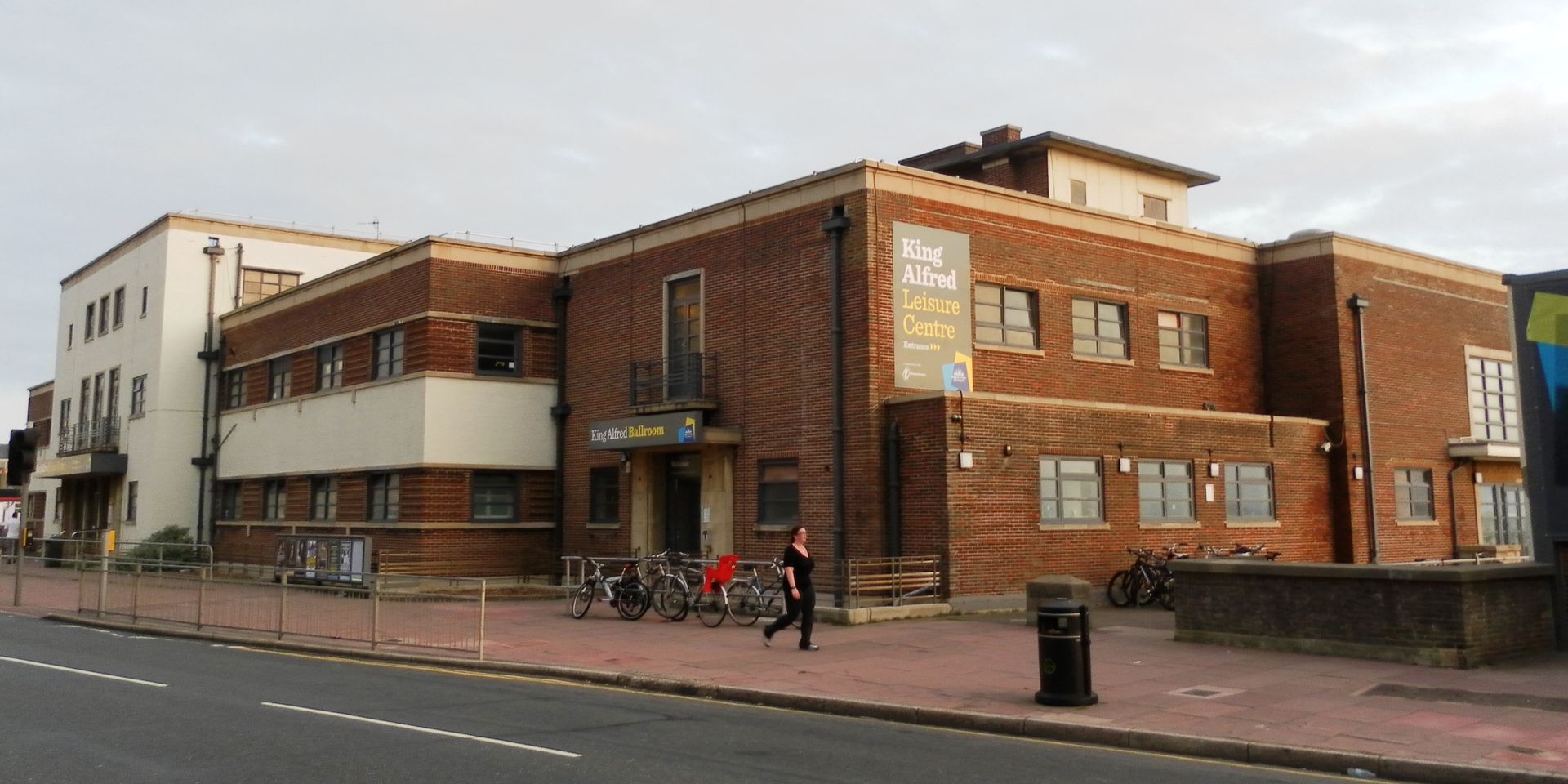
In the foreword, council project officer Safia Mohamud observed that many people knew Brighton’s Bangladeshi community through its restaurants and takeaways. The book took readers into other parts of the city. One contributor recalled five-a-side football at the King Alfred Leisure Centre and fishing trips from Brighton Marina. Another remembered how much she missed being able to speak to her parents after she moved to England. Children and young people contributed too, giving readers a chance to hear how growing up in Brighton felt to them as well as how it felt to their parents.

Rahela Afsar and the work that began in Tarner
Rahela Afsar had lived in Brighton since 1982. Before helping to edit Bangla Brighton , she took part in Your Voice , a neighbourhood research project in 2003–04. Fellow editor Mohammed Asaduzzaman identifies it as research for Tarner. Afsar had also taken local adult education courses, earning certificates in first aid and food hygiene. She remembered how much confidence that gave her. By the time the book appeared, she was on the management committee at Millwood Community Centre and working as a bilingual assistant in pre-schools and primary schools.
From the school gate to the classroom
Afroza Rahman came to England in 1973. She got involved at her local school because she wanted to understand the education system and help her children and other families. In the book, she recalls becoming the first Bangladeshi bilingual worker for Brighton and Hove’s Service for English as an Additional Language, known as SEAL. Another editor, Irene Chowdhury, grew up in England and settled in Brighton in 1985. She also worked for SEAL, supporting children in several Brighton and Hove schools.
Council records give a sense of the work that went on around them. The service provided bilingual support for newly arrived pupils and helped Bengali-speaking parents communicate with schools. In 2005, it reported distributing a leaflet for Bangladeshi parents on school attendance and achievement. It was one way of making information that schools expected parents to act on easier to reach.
The book also gives us a pupil’s view. In a section headed Her Story , an unnamed contributor remembers looking forward to school every day at West Hove Infant and Junior Schools. She credits her time there and at Blatchington Mill with making her want to carry on studying. She went to the University of Sussex and became a secondary-school science teacher. Her account puts familiar local schools into the story of what a young woman from a Bangladeshi family could imagine doing with her life.
Blatchington Mill School, Hove, photographed in January 2009. One contributor to Bangla Brighton recalled how the school encouraged her to continue her education. Photo © Simon Carey / Geograph, CC BY-SA 2.0.
What children inherit
Hazera Hoque, another of the editors, hoped the book would help younger people take pride in their identity. Zuha’s poem Motherland sits with one of the difficulties behind that hope. A parent wants to pass on the language of her childhood, while her child grows up speaking a different one. Read beside the accounts of Afsar, Rahman and Chowdhury, the poem brings us back to the daily work of raising children across two languages. The women who made Bangla Brighton left a record of how that felt at home, what it meant at school and how each generation made sense of it for themselves.
For more about how local writers have found places to share their work, read our profile of Amy Z Glass, founder of Writing Our Legacy.
Sources
QueenSpark Books, Bangla Brighton: Voices from the Bangladeshi Community in Brighton , 2006.
Open British National Bibliography, publication record.
Mohammed Asaduzzaman’s account of his community work in Tarner.
Brighton & Hove City Council, Education Development Plan progress report, 2005, English as an Additional Language report, 2008, and report on bilingual support and home–school liaison.