In 1938, three brothers who had fled the Spanish Civil War arrived at Girton House on Hove seafront. José María Martínez Castillo remembered swimming in the sea, lying on the pebbles and being taken for tea by a priest the boys knew as Padre Don Cirilo. After a rough crossing from Spain and months in temporary homes, he and his younger brothers, Javier and Tirso, could still go down to the beach together. The eldest would grow up to exhibit his paintings under the name Coqué Martínez.
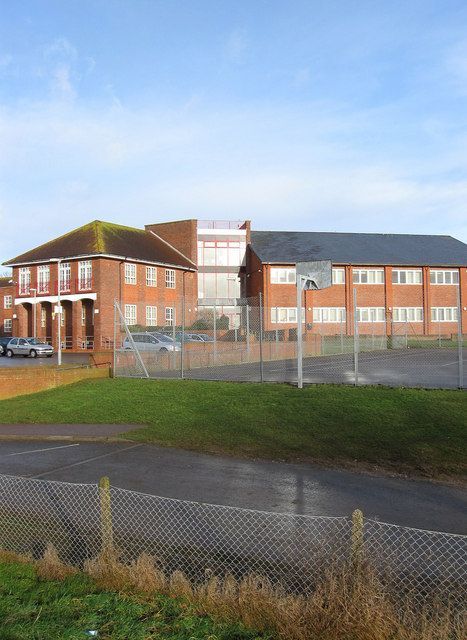
Girton House, Kingsway, Hove, photographed in 2017. The Martínez Castillo brothers stayed at this address in 1938. The building was substantially rebuilt in the 1980s. Photo © Simon Carey / Geograph, CC BY-SA 2.0.
Three brothers at Girton House
José María was eleven when the brothers sailed from the port of Bilbao aboard the Habana in May 1937. Their father had decided to send his three eldest boys away after the bombing of Guernica. Javier remembered being frightened on the voyage and arriving at a camp full of tents near Southampton. The boys went from there to Bray Court near Maidenhead before moving to Girton House, at what is now 193 Kingsway.
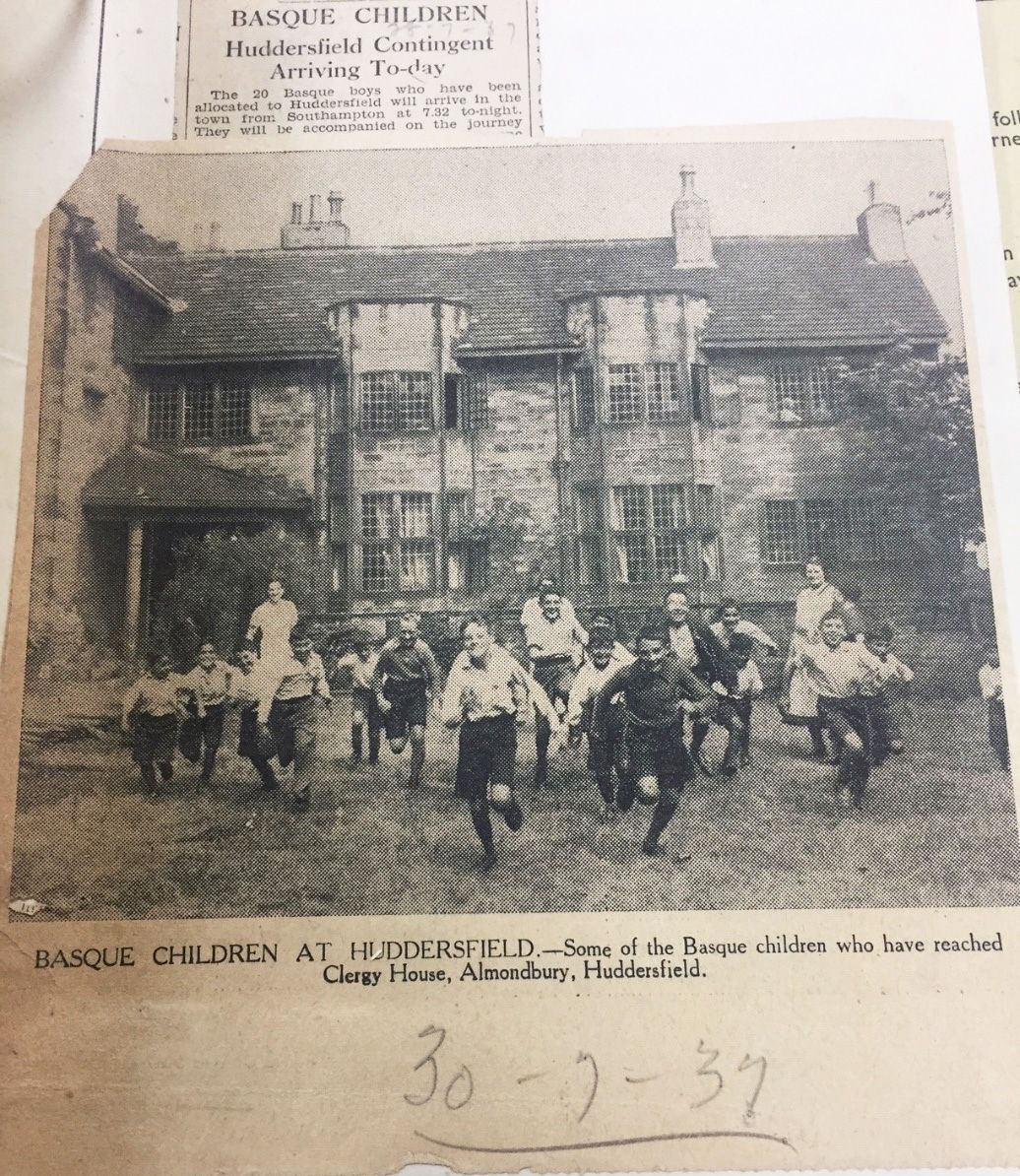 A newspaper clipping showing Basque child refugees in Huddersfield.
The National Archives, MH 57/324. No known copyright restrictions.
When Girton House closed, the brothers went separate ways. In José María’s account, Tirso went to live with Dick Polling, one of the home’s organisers, and Javier was sent to Coventry. José María remembered Charles Gildersleve taking him in at Poplar Avenue in Hove. He was still in the town and attended Hove Grammar School. For a boy who had crossed the Bay of Biscay with responsibility for his younger brothers, Hove was where he began to make a life apart from them.
Becoming Coqué Martínez
In 1940, José María moved to the Culvers, a home for Basque children in Carshalton. He had shown a talent for drawing before he left Spain. At the Culvers, the director, a fellow refugee named Pepe Estruch, encouraged him to develop it. With a scholarship from the Juan Luis Vives Trust, José María studied at Croydon School of Art from 1942 to 1945.
By 1944, the young people at the Culvers were writing about him in their own magazine. He was already one of their artists and was preparing for an exhibition at the Spanish Institute. In 1946, aged twenty, he exhibited at the Archer Gallery in Notting Hill. He painted as Coqué Martínez, wrote poetry under the name Koke Markíniz, and became a sculptor as well.
Family in Exile
While José María was finding his feet as an artist, he was still waiting to see his parents. They had crossed into France with his youngest brother and settled in Dax. The Red Cross traced them, and in 1946 the brothers learned they were alive. The family was reunited in 1953, sixteen years after the boys had sailed for England. It was the first time José María met his sister Olga, who had been born in France.
One of his paintings from that same year is titled Family in Exile. Other titles returned to places he remembered, including Arcadia in Navarra Spain , painted in 1957. After his death in 2009, Homerton College, Cambridge, received ten of his paintings, among them a self-portrait. The college accepted them as a memorial to the Basque children evacuated in 1937. At Girton House we meet José María through what he remembered as a boy. At Homerton we can see how he chose to picture himself.
Coqué Martínez’s journey
- 1937 · José María, Javier and Tirso sail from Spain aboard the Habana.
- 1938 · The three brothers move to Girton House in Hove.
- 1942–45 · José María studies at Croydon School of Art.
- 1946 · He exhibits at the Archer Gallery in Notting Hill.
- 1953 · The family is reunited. José María paints Family in Exile that year.
For another glimpse of how the Spanish Civil War reached local audiences, read Paul Robeson in Brighton, including the Spanish war songs he performed at Brighton Dome in April 1938.
Sources
Javier and José María Martínez Castillo’s recollections from Recuerdos, University of Brighton.
Natalia Benjamin’s biographical account, Basque Children of ’37 Association.
Sackville Gardens conservation area appraisal, Brighton & Hove City Council.
Interview with José María, Barcelona Metropolitan.
Susana Sabín Fernández, The ‘Niños Vascos’ of 1937, pp. 168–169.
Coqué Martínez collection, Homerton College, Cambridge.