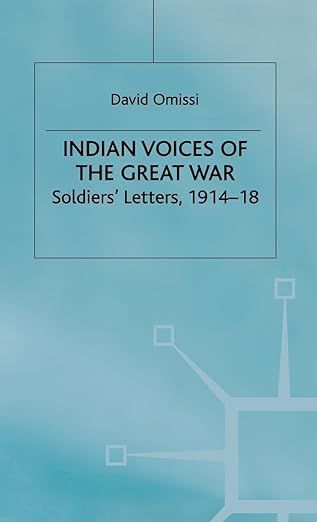
Indian Voices of the Great War: Soldiers’ Letters, 1914–18 by David Omissi is a seminal work that brings to light the personal experiences of Indian soldiers during the First World War. Through a curated collection of letters, the book offers an intimate glimpse into the lives of these soldiers, their perceptions of the war, and their encounters with European culture.
About the Book
Published in 1999 by Macmillan Press, this 382-page volume compiles letters written by Indian soldiers serving on the Western Front between 1914 and 1918. These letters, originally penned in various Indian languages and subsequently translated into English, reveal the soldiers' thoughts on the brutal realities of trench warfare, their homesickness, and their observations of European society. The correspondence also reflects the soldiers' attempts to maintain cultural and religious practices amidst the chaos of war.
The letters were subject to military censorship, which, while limiting some content, also ensured their preservation. Despite the censorship, the letters convey a range of emotions—from fear and despair to humor and resilience—providing a nuanced understanding of the Indian soldiers' wartime experiences.
Significance
Omissi's compilation is significant for several reasons...
- Personal Narratives: The letters offer firsthand accounts of the war from the perspective of Indian soldiers, a group often underrepresented in historical narratives.
- Cultural Insights: The correspondence sheds light on how Indian soldiers perceived and adapted to European customs, landscapes, and social norms.
- Historical Context: The book contributes to a broader understanding of colonial troops' roles in the First World War and the complexities of their service under the British Empire.
Relevance to Brighton and the South Coast
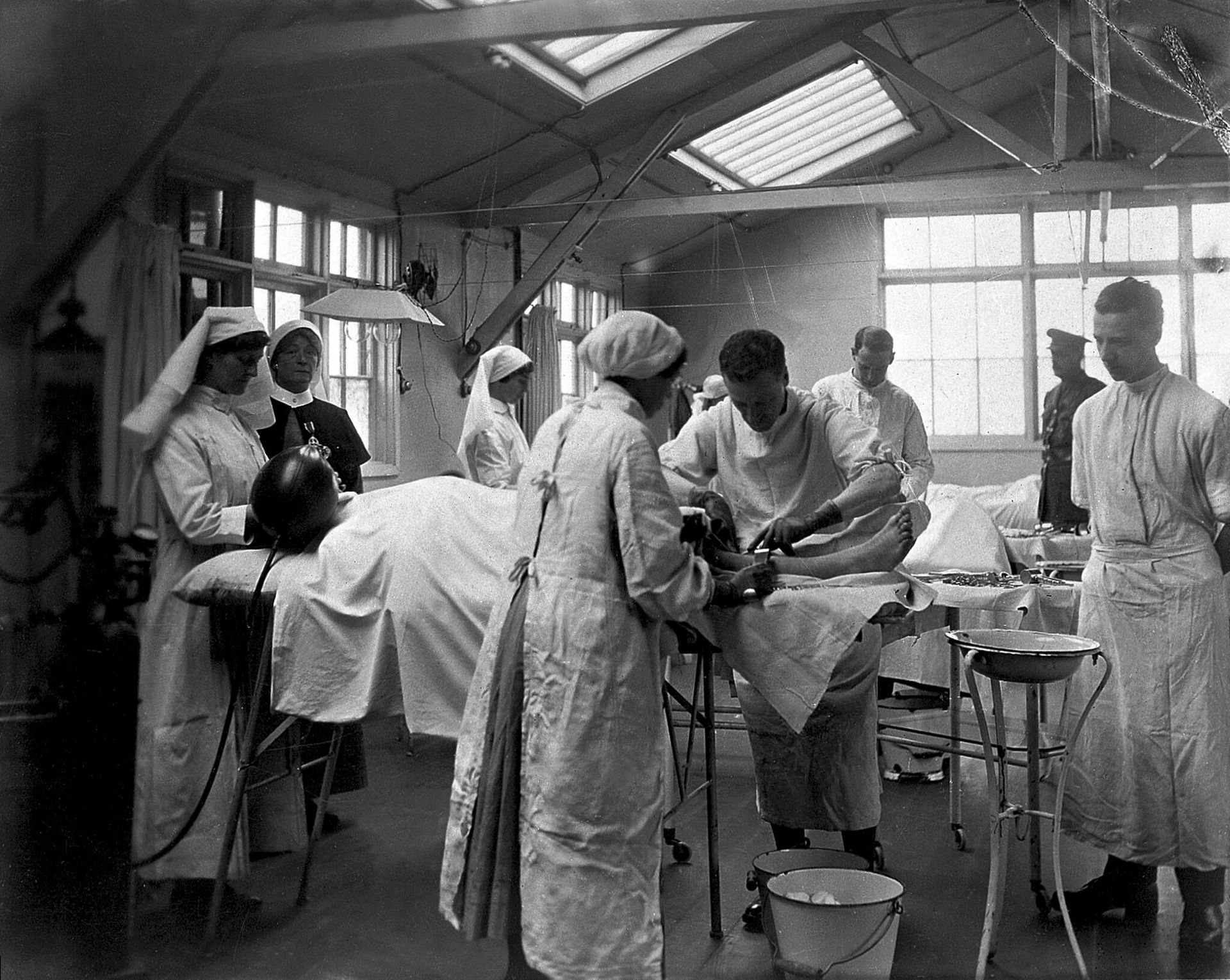
Brighton holds a unique place in this history, as it was home to the Royal Pavilion, which was converted into a military hospital for wounded Indian soldiers during the First World War. The letters in Omissi's collection include accounts from soldiers who were treated in Brighton, providing valuable insights into their experiences in the city. These narratives enrich our understanding of Brighton's role in the war and its connection to the broader imperial history.