Princess Victoria Ka'Iulani of Hawaii
The Hawaiian Royal in Hove
In 1892, a teenage princess from the Pacific lived quietly on Cambridge Road in Hove. Few who passed the house would have known that the young woman inside was heir to the Hawaiian throne. Even fewer could have guessed that events unfolding thousands of miles away would soon end her kingdom.
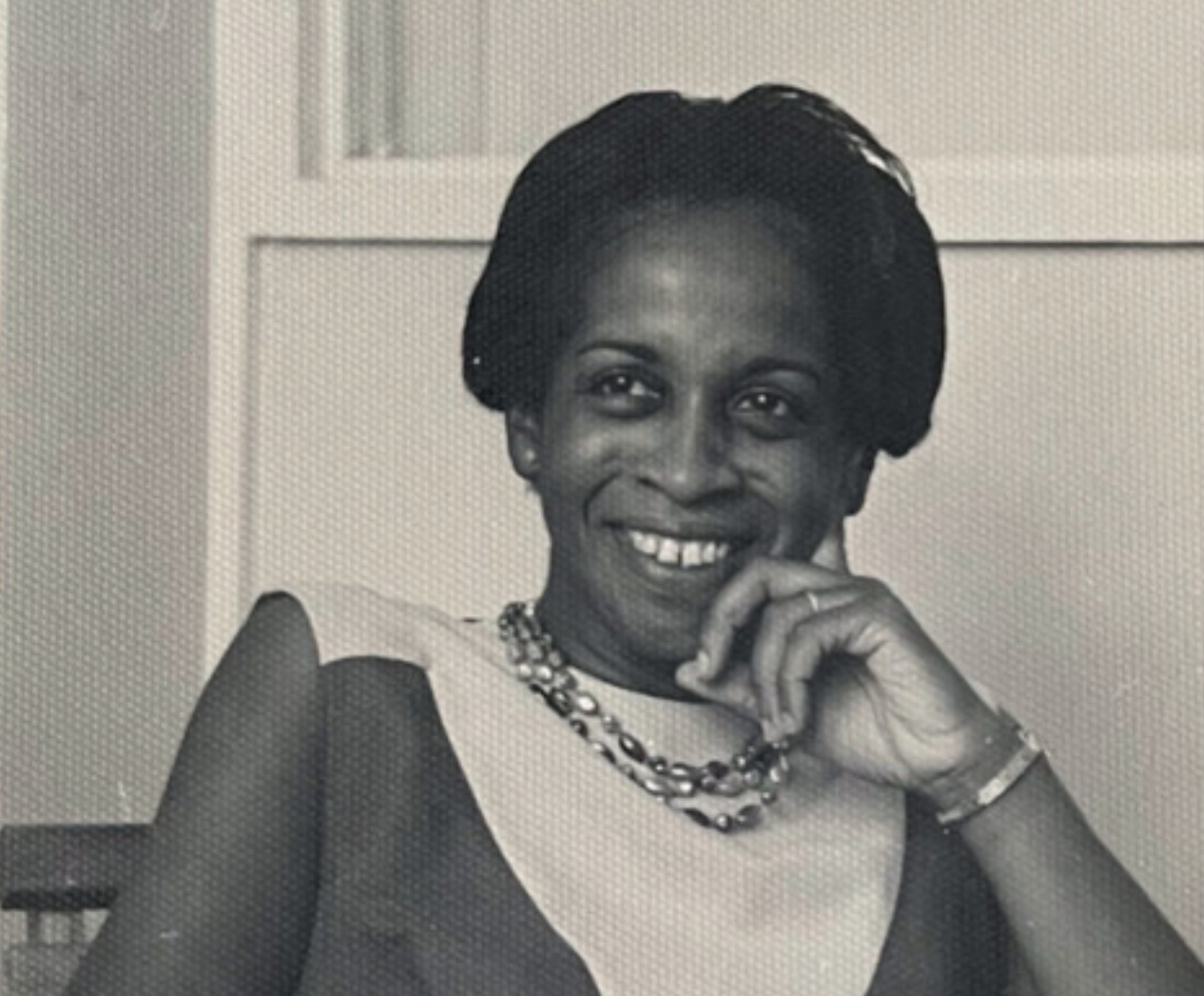
Princess Victoria Kaʻiulani was born in Honolulu on 16 October 1875. She was the only child of Princess Miriam Likelike and Archibald Scott Cleghorn, a Scottish businessman. As niece to King Kalākaua and Queen Liliʻuokalani, she was recognised as heir to the Hawaiian throne. Her birth was celebrated across Honolulu with church bells and gun salutes.
She grew up at ʻĀinahau, her family home on Waikiki Beach. There, beneath banyan trees and in the warmth of the Southern sun, she received a careful education. Private tutors taught her Hawaiian, English, French and German. She studied music and art and became skilled at riding and tennis. The writer Robert Louis Stevenson visited ʻĀinahau and later described her in a poem as “the island rose”.
After her mother’s death in 1887, it was decided that Kaʻiulani should continue her education in England. In 1889, aged just 13, she left Hawaiʻi under the guardianship of Theo H. Davies. She first stayed in Northamptonshire, but in 1892 she was moved to Sussex to complete her education in calmer surroundings.
Her new home was 7 Cambridge Road, Hove. She lived there with Mrs Phebe Rooke, who was connected to the Hawaiian royal household. Tutors were arranged in literature, languages, history and music. Hove, she wrote, was “a village by the sea”. Though she felt homesick, she worked hard and prepared for the public role that awaited her. A holiday in Jersey offered a brief change of scene, but her thoughts remained with her homeland.
Plans were being made for her return to Hawaiʻi in 1893. An audience with Queen Victoria and a European tour were expected. Instead, history intervened.
In January 1893, while Kaʻiulani was still in England, Queen Liliʻuokalani was overthrown by American businessmen in Honolulu. The monarchy collapsed. The heir to the throne was thousands of miles away.
Kaʻiulani was sent to Washington DC to speak on behalf of her people. She met President Grover Cleveland and addressed the press with clarity and dignity. “I am come here to plead the cause of my people,” she declared. “Hawaiʻi is my country. Hawaiʻians are my people.” Her youth and poise gained sympathy, but political support did not follow. The monarchy was not restored.
She returned to ʻĀinahau in 1895, no longer as heir to a ruling queen but as a princess without a throne. The new republic did not recognise her claim. She continued to represent her people with grace, yet her future had been altered.
In 1898, after riding in heavy rain, she fell ill. Pneumonia and pleurisy followed. On 6 March 1899, Princess Kaʻiulani died at the age of 23.
Her time in Hove forms a quiet chapter within a larger global story. Cambridge Road was once home to a young woman preparing to rule a kingdom that would soon cease to exist. In Sussex, she studied, wrote letters home, and looked out across the Channel, unaware of how swiftly events would change her destiny.
Her story connects Hove to the fall of a Pacific monarchy. It reminds us that even on an ordinary street, history can pass almost unnoticed.
Related Articles
Related Articles