Brighton’s Black music history
The Month Brighton Heard the Southern Syncopated Orchestra
For four weeks in the summer of 1921, a company of Black musicians and singers brought jazz, ragtime and spirituals to one of Brighton’s best-known stages.
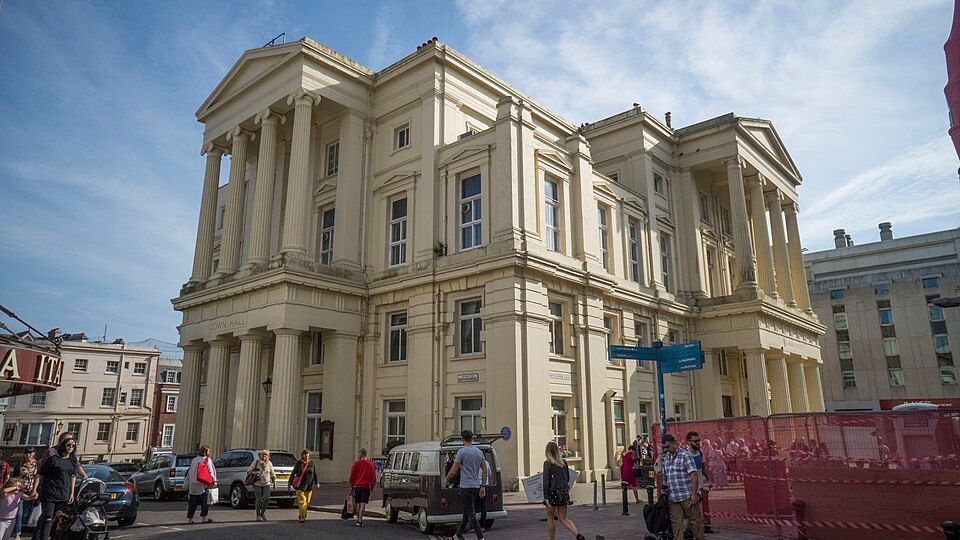
The orchestra began a four-week residency at Brighton Dome in August.
In August 1921, a large company of Black musicians and singers began a four-week residency at Brighton Dome. The Southern Syncopated Orchestra brought Brighton audiences a programme shaped by jazz, ragtime, spirituals, popular songs and light classical music.
Jazz was still new to most British listeners. The musicians arriving in Brighton belonged to one of the first Black orchestras to tour Britain and Ireland, and their month at the Dome placed the town within the opening chapter of British jazz history.

Will Marion Cook and a new kind of orchestra
African American composer and violinist Will Marion Cook founded the company in New York in 1918 under the name New York Syncopated Orchestra. It came to Britain the following year and later became known as the Southern Syncopated Orchestra.
This was a substantial touring company rather than a small jazz band. Its changing membership brought together performers from the United States, the Caribbean, West Africa and Britain. Brighton Dome’s heritage research describes a company of 27 Black musicians and 19 singers.
Their programmes crossed musical boundaries. Audiences heard spirituals and ragtime alongside popular and classical pieces. Jazz featured too, carried by musicians whose playing helped British listeners encounter a form still taking shape.
The orchestra’s roster included Sidney Bechet, the New Orleans musician who became one of the defining clarinettists and soprano saxophonists of early jazz. Bechet had arrived in Britain with the company in 1919.
Evelyn Dove and Britain’s Black performance history
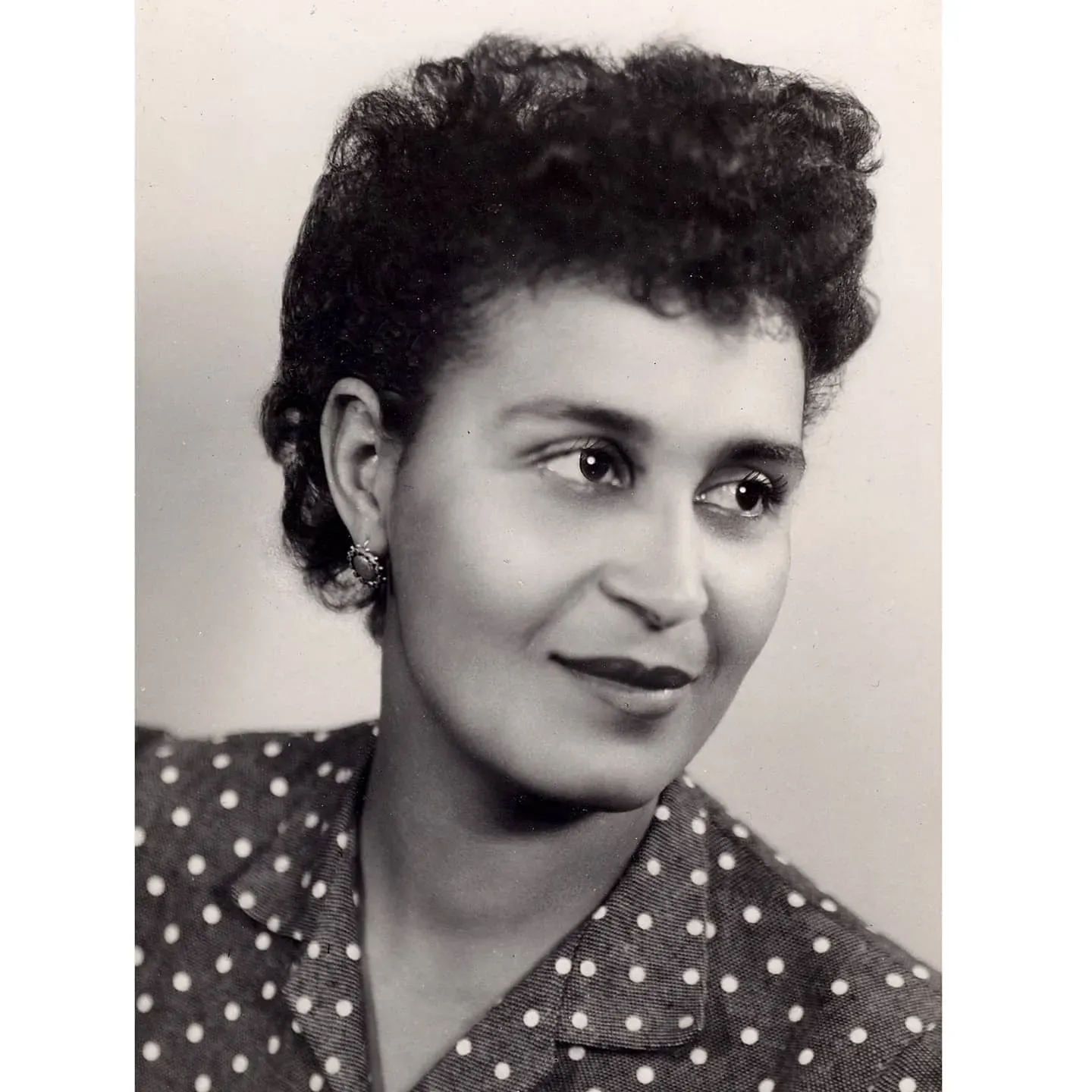
British singer Evelyn Dove had joined the Southern Syncopated Orchestra by 1921, performing under the name Norma Winchester. Born in London to a Sierra Leonean father and an English mother, she had trained at the Royal Academy of Music.
Dove went on to build an international career in cabaret, theatre and broadcasting. She performed across Europe, the United States and India and, in 1939, became the first Black singer featured on BBC television. Her presence in the orchestra connects its Brighton residency with the story of a Black British performer whose career stretched far beyond the concert halls of the early 1920s.
The musicians worked in an industry that often restricted Black performers to racial stereotypes. The orchestra presented skilled Black instrumentalists and singers on major British stages, offering audiences a far broader musical culture than those stereotypes allowed.
Four weeks at Brighton Dome
Brighton Dome’s research identifies the Southern Syncopated Orchestra as the first Black musicians to perform at the venue. They stayed for four weeks during August 1921.
We do not have recordings of the orchestra, so no one can recreate the sound that filled the Dome with certainty. Photographs, programmes and newspaper records provide the surviving traces. The image taken outside the building carries particular weight for Brighton: Black musicians were contributing to the town’s cultural life more than a century ago.
The sinking of the SS Rowan
A few weeks after the Brighton residency, members of the orchestra travelled from Glasgow for an engagement at Dublin’s La Scala Theatre. During the early hours of 9 October 1921, their ship, the SS Rowan , met heavy fog off the Scottish coast.
The American cargo ship West Camak struck the Rowan. As another ship, Clan Malcolm , came to help, it also collided with the passenger vessel. The Rowan sank within minutes. Eight members of the orchestra were among those who died.
The survivors lost friends, colleagues and their instruments. Glasgow theatres held benefit performances to support them, and surviving members later reached Dublin to fulfil the delayed engagement. The orchestra continued performing for a short time, but internal difficulties and the effects of the disaster contributed to its break-up.
Evelyn Dove survived the sinking and took part in a concert for the survivors in Glasgow.
Explore the orchestra’s short timeline
- 1918: Will Marion Cook formed the New York Syncopated Orchestra.
- 1919: The company arrived in Britain and began touring.
- August 1921: The Southern Syncopated Orchestra held its four-week residency at Brighton Dome.
- 9 October 1921: The SS Rowan sank while carrying members of the orchestra towards Ireland.
An early chapter in Brighton’s Black music history
Brighton’s Black music history reaches beyond the better-known reggae concerts, sound systems and community events of the post-war years. The Southern Syncopated Orchestra was performing at the Dome almost three decades before the arrival of the Empire Windrush.
The orchestra remained in Brighton for only a month, but the surviving photograph gives the visit a lasting local presence. Look past the formal clothes and carefully arranged rows and you find musicians carrying jazz across the Atlantic, British performers building careers beside them, and a Brighton audience hearing those sounds in the summer of 1921.
Their residency belongs in the history of Brighton Dome and in the wider story of Black musicians who helped shape British cultural life.