From Brighton Dome to Mandela Hall: Black Music, Protest and Change in Brighton
Brighton is often remembered for its seafront, royal connections and cultural life. However, some of the most important stories of the city and surrounding area can be found in the places where people gathered, performed, debated ideas and called for change.
Brighton Dome and Mandela Hall represent two very different but connected parts of Sussex history. Brighton Dome became a stage where internationally important Black performers brought music and culture to local audiences. Mandela Hall at the University of Sussex became a symbol of student activism and support for the campaign against apartheid.
Together, they show how buildings become more than just places. They become part of the stories of the people who performed, protested and created memories inside them.
Brighton Dome: A stage for international Black voices
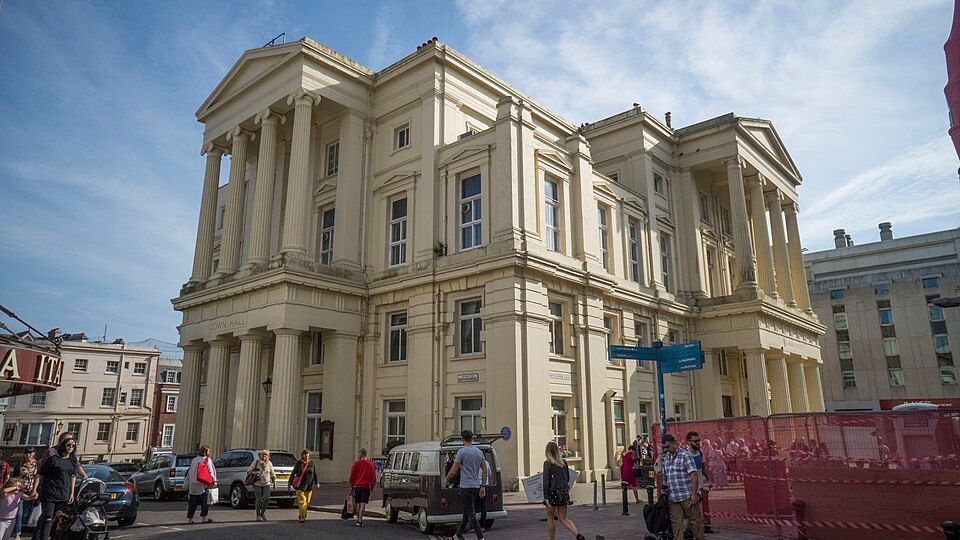
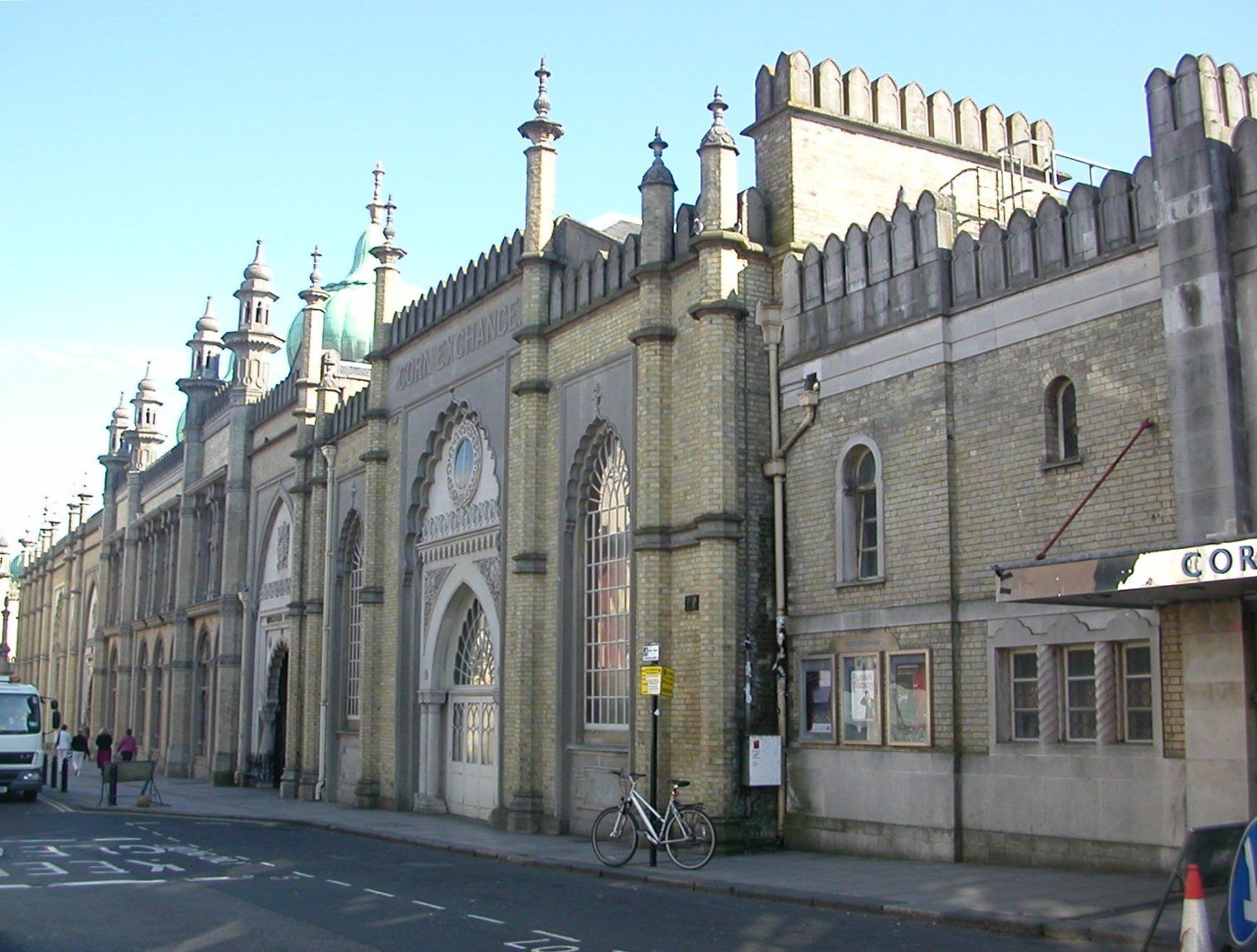
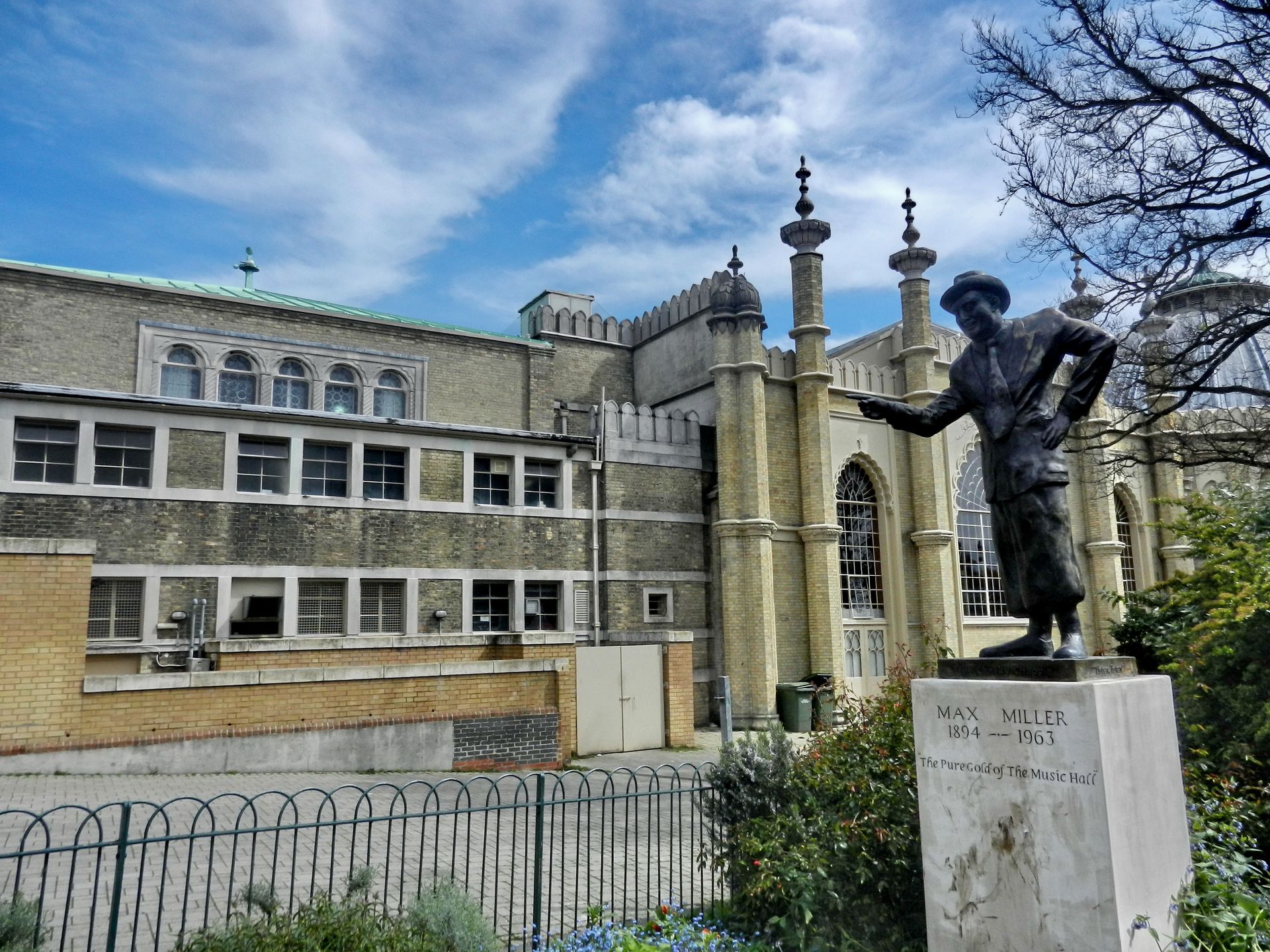
Brighton Dome has been at the heart of the city’s cultural life for more than two centuries.
The building began life as the Prince Regent’s riding stables and formed part of the Royal Pavilion estate. Over time, it was transformed into a public performance space and became one of the most important venues in the South East.
Brighton Dome’s own history reflects the changing cultural life of the city. The venue has welcomed generations of performers, but its connection with Black music and culture is particularly significant.
In 1921, the Southern Syncopated Orchestra performed at Brighton Dome during a residency at the venue. The orchestra was one of the earliest Black jazz groups to tour Britain and Ireland, introducing new musical styles to audiences across the country.
The visit was an important moment in the history of jazz in Britain. At a time when racial inequality remained widespread, the orchestra brought the energy and creativity of Black musicians to audiences across the country.
Fifteen years later, in 1936, Paul Robeson performed at Brighton Dome. Robeson was internationally recognised as a singer and actor, but he was also a campaigner for civil rights and social justice.
His performances showed how music could be connected with wider conversations about equality, politics and human rights.
Over the following decades, Brighton Dome continued to welcome major Black artists, including Nina Simone, Miriam Makeba, Hugh Masekela and Ladysmith Black Mambazo.
These performances were not only important moments in music history. They reflected a changing Britain, where audiences encountered different cultures, experiences and ideas through live performance.
Mandela Hall: Sussex students and the fight against apartheid
A different story developed at the University of Sussex, just outside Brighton.
When the university opened in the 1960s, it quickly became known for debate, discussion and student involvement in political issues. One of the causes that brought many students together was opposition to apartheid in South Africa.
The connection between Sussex and Nelson Mandela grew from years of student campaigning. Following the Rivonia Trial in 1964, when Mandela and other anti-apartheid activists were sentenced to life imprisonment, Sussex students supported campaigns calling for justice and freedom.
Students and staff signed petitions calling for the release of Mandela and other political prisoners. This reflected a wider movement across universities and communities in Britain that challenged the apartheid system.
The campaign continued over the following years. Sussex students helped establish the Mandela Scholarship in 1973, supporting South African students and keeping attention focused on the struggle against apartheid.
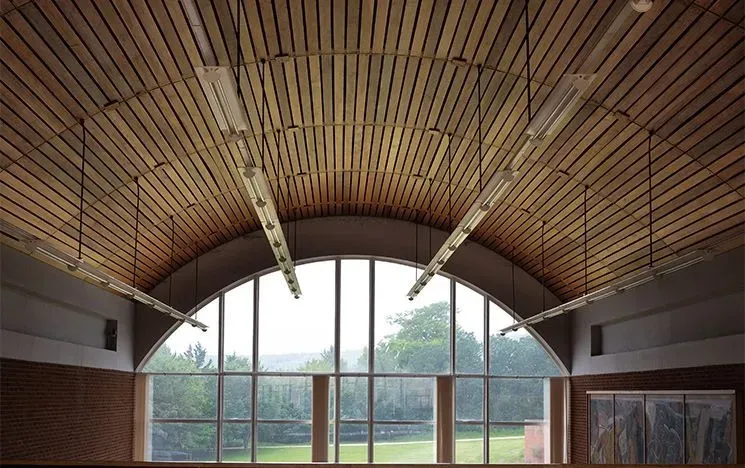
In 1978, the Old Refectory at Falmer House was renamed Mandela Hall in honour of Nelson Mandela, who was still imprisoned on Robben Island.
The decision was significant because Mandela Hall was named while the campaign for his freedom was still continuing. It represented support for a movement rather than recognition of a struggle that had already ended.
Over the years, Mandela Hall also became remembered as a popular music venue, hosting generations of students and performers.
Brighton, Sussex and the places where change happened
The stories of Brighton Dome and Mandela Hall are different, but together they reveal something important about Brighton and Sussex.
One venue shows how music can introduce people to new voices, cultures and experiences. The other shows how students and communities can use their voices to support change.
These stories form part of a much wider history of Black life in Brighton and Sussex. The story of Thomas High Flyer reveals the life of one of Brighton’s earliest recorded Black residents and helps show that Black history in the town stretches back centuries.
The Chattri Memorial provides another important connection between Sussex and global history, remembering the Indian soldiers who were treated in Brighton during the First World War.
The work of Brighton & Hove Black History continues to preserve and share the stories of African, Caribbean and wider Black communities connected with the area.
The history of a city is not only found in monuments, archives and official records. It is also found in the places where people gathered, found their voices and helped shape the future.
Brighton Dome and Mandela Hall remain reminders that culture and change are often created in the same spaces.
Images courtesy of Wiki Common
Sources:
- https://brightondome.org/heritage-stories/heritage-stories-entertainment/
- https://mixedmuseum.org.uk/samuel-coleridge-taylor-at-the-brighton-dome/
- https://www.sussex.ac.uk/about/60-years-of-sussex/60-objects/architecture-objects
- https://www.sussex.ac.uk/alumni/support/sussex-scholarships/mandela-scholarship/history-mandela-scholarship
Related Articles
Related Articles